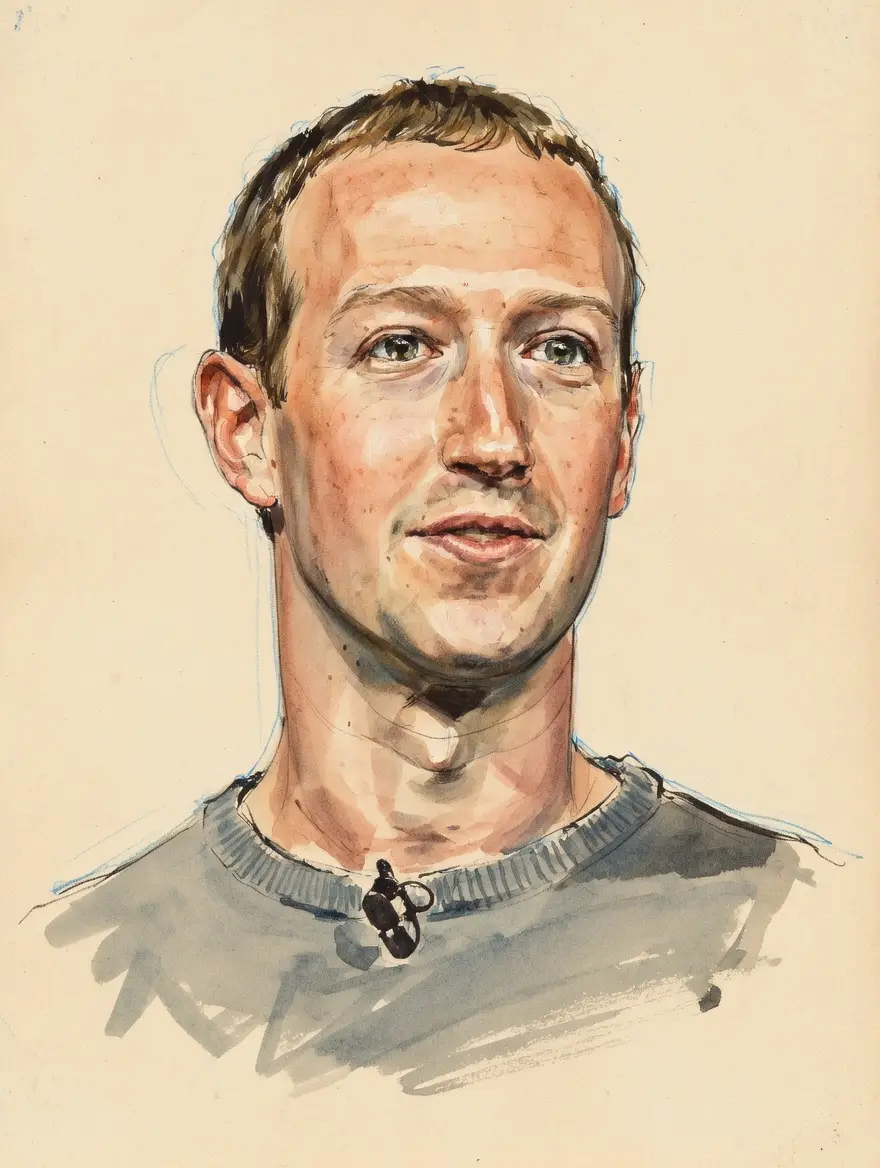
Mark Zuckerberg on Censorship
TL;DR
Mark Zuckerberg is pivoting Meta's approach to prioritize free expression by reducing content moderation mistakes and systemic censorship.
Key Points
He admitted that Meta temporarily demoted a major news story in 2020, which he later acknowledged in retrospect should not have been done.
Zuckerberg claimed in August 2024 that senior administration officials pressured Facebook to remove certain COVID-19 content, including humor and satire.
He announced in January 2025 the end of the third-party fact-checking program in the U.S., replacing it with a Community Notes system.
Summary
Mark Zuckerberg has recently asserted that Meta’s previous content moderation systems resulted in "too many mistakes and too much censorship," signaling a major operational shift toward prioritizing free expression on platforms like Facebook and Instagram. His core position now advocates for reducing what he perceives as over-enforcement, exemplified by eliminating the third-party fact-checking program in the U.S. and replacing it with a user-driven "Community Notes" system, which he claims is less prone to political bias. This shift also involves simplifying content policies by removing restrictions on certain political discourse topics and focusing automated filters primarily on illegal or high-severity violations, rather than broader policy infractions.
This evolution in stance follows significant scrutiny, including testimony before Congress regarding pressure from the U.S. government to censor COVID-19 content during the pandemic. He has expressed regret for past decisions, such as demoting a story about a politician's son, and now pledges to push back against global governmental pressures for censorship, stating the only way to counter this trend is with U.S. government support. Furthermore, he announced the relocation of trust and safety teams outside of California to mitigate concerns about internal bias influencing moderation decisions, underscoring a desire to restore the company's original commitment to giving people a voice.
Frequently Asked Questions
Mark Zuckerberg currently opposes the level of content censorship enacted by Meta in recent years, calling it excessive and mistake-prone. His position has recently shifted to prioritize greater free expression on his platforms. He is actively implementing policy changes to reduce content removals and systemically curb perceived over-enforcement.
Yes, his public stance on content moderation and censorship has evolved significantly, marked by a pivot away from extensive third-party fact-checking. Historically, he defended complex moderation systems, but he now asserts these systems have become too restrictive and error-prone. This shift signals a move back toward his original commitment to free expression principles.
Mark Zuckerberg stated that senior officials from the U.S. government, including the White House, repeatedly pressured Facebook to censor specific COVID-19 content. He expressed regret that the company was not more outspoken against this pressure at the time. He vowed that the company is now ready to push back against similar governmental demands in the future.
Sources6
Zuckerberg says the White House pressured Facebook to 'censor' some COVID-19 content during the pandemic
Powerful Judiciary Chair Jim Jordan praises Mark Zuckerberg for ending censorship efforts, says Google should be next
Transcript: Mark Zuckerberg Announces Major Changes to Meta's Content Moderation Policies and Operations
More Speech and Fewer Mistakes
Breaking the News: Censorship, Suppression, and the 2020 Election
Mark Zuckerberg says ending fact-checks will curb censorship. Fact-checkers say he's wrong.
* This is not an exhaustive list of sources.