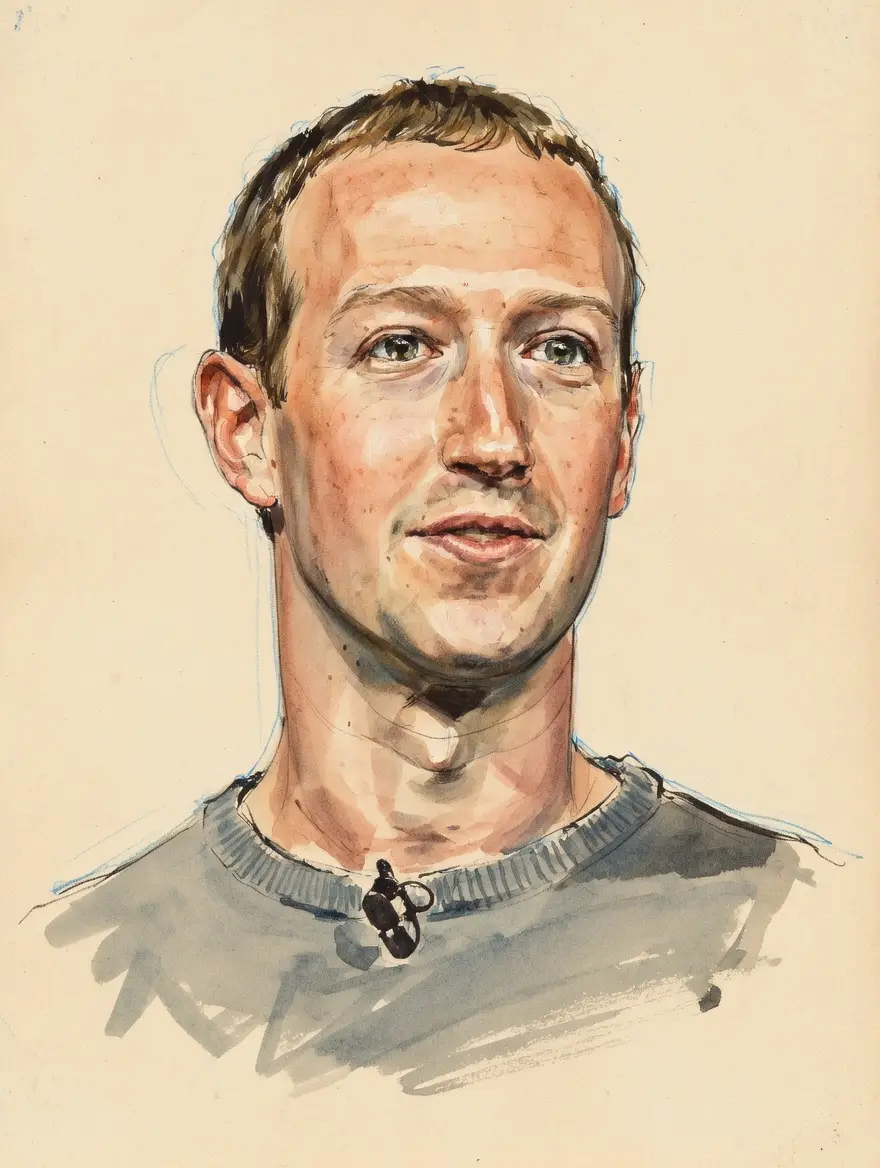
Mark Zuckerberg on China
TL;DR
Mark Zuckerberg has historically prioritized lucrative business opportunities in China over strict adherence to American free speech principles.
Key Points
He reportedly learned Mandarin and sought a Chinese name for his daughter in efforts to build rapport with Chinese leadership.
Meta allegedly collaborated with mainland Chinese engineers to create sophisticated monitoring and censorship tools under his involvement.
In 2018, he testified to Congress that Facebook was blocked in China and the company could not know how its laws would apply, which has been called inaccurate by a whistleblower.
Summary
Mark Zuckerberg's engagement with China has been characterized by an intense, sustained focus on securing market access, often involving appeasement of the Chinese Communist Party (CCP). Evidence from former executives suggests that under his leadership, Meta pursued a secret mission, codenamed Project Aldrin, to enter the Chinese market, which included developing bespoke censorship tools explicitly designed to satisfy CCP demands. He has taken personal steps to court favor, such as learning Mandarin and traveling to the country extensively. This pursuit of the Chinese market, even when his company's social media platforms remained blocked, generated significant revenue from Chinese advertisers.
This position appears to have evolved under intense scrutiny and allegations of undermining U.S. security for corporate gain. Whistleblower testimony revealed that Meta executives actively provided technical expertise on artificial intelligence to Chinese officials, potentially aiding China's military AI development, while simultaneously lying to Congress regarding the extent of their collaboration and censorship compliance. While Meta denies these claims, the narrative indicates that the CEO's actions placed a high value on maintaining and expanding business ties in China, which critics argue betrayed domestic democratic values and weakened American competitiveness.
Frequently Asked Questions
Mark Zuckerberg's current stance is viewed through the lens of Meta's business operations, which continue to generate substantial revenue from Chinese advertisers targeting global audiences. Public statements often emphasize his company's global aspirations, but critics point to past actions as evidence of a strong, profit-driven focus regarding China.
Yes, his public posture appears to have shifted, particularly following intense scrutiny and whistleblower testimony regarding his earlier, more direct engagement. While he once publicly courted the CCP with concessions, current public relations often focus on the company not operating its main social media services within the country.
In a 2018 Senate hearing, Mark Zuckerberg stated that Facebook had been blocked in China since 2009 and that the company was therefore unable to know precisely how the Chinese government would apply its censorship laws to content. This account has been challenged by former employees alleging prior, direct negotiations about censorship.
Sources5
How Mark Zuckerberg Endangered U.S. Security in Pursuit of Profit
Facebook's Zuckerberg oversaw censorship tool for China: whistleblower
Mark Zuckerberg, Give Up on China Before You Embarrass Yourself Even More
Meta whistleblower details Mark Zuckerberg's fixation on China 'profits'
Arizona Republican questions Mark Zuckerberg over dealings with China
* This is not an exhaustive list of sources.