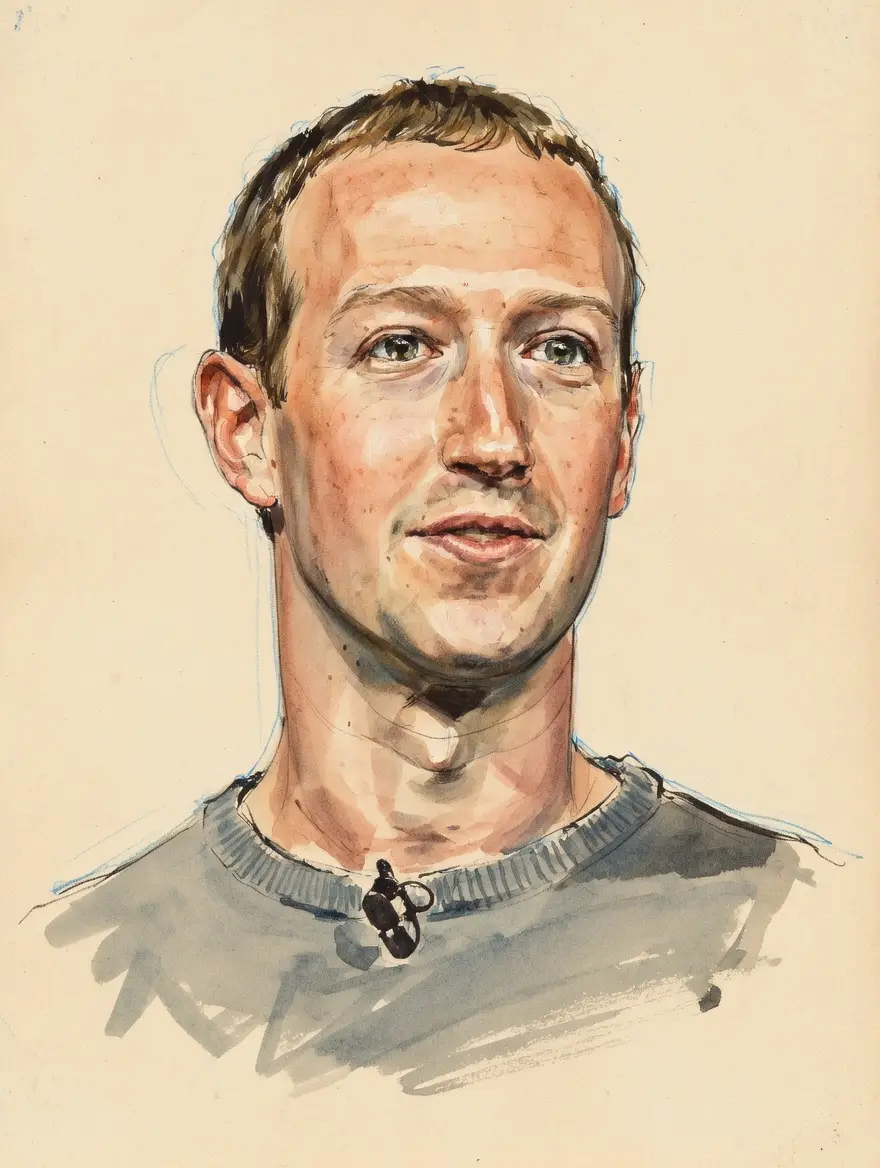
Mark Zuckerberg on Free Speech
TL;DR
Mark Zuckerberg generally commits to prioritizing free expression on Meta platforms, often framing it as essential for empowering individuals globally.
Key Points
In October 2019, he stated that Meta should err on the side of greater expression when the line on content is not absolutely clear.
He committed in January 2025 to moving away from algorithmic fact-checking toward a Community Notes model to restore free expression on platforms.
In the past, he worked to build censorship tools for the Chinese government before pivoting his public stance toward democratic free expression values.
Summary
Mark Zuckerberg frequently articulates a core belief in giving people a voice, positioning free expression as foundational to Facebook and Meta's mission to connect the world. He has argued that allowing a wide range of perspectives, even those that cause tension, is necessary for societal progress and democracy, citing historical movements that relied on free speech for advancement. This stance was underscored in a 2019 speech where he advocated for policies that help free expression triumph globally and cautioned against defining disliked speech as dangerous, suggesting an err-on-the-side of greater expression principle when the line is unclear.
However, this position is often contextualized by the company's content moderation practices, leading to accusations of hypocrisy and political maneuvering. Recent shifts, such as replacing algorithmic fact-checking with Community Notes, are framed by Zuckerberg as a return to free expression roots after past systems made too many censorship mistakes, particularly regarding political content. Critics, however, suggest these adjustments align with appeasing specific political actors or represent a departure from previous commitments to mitigating harm and protecting marginalized communities from hate speech, implying the company prioritizes political expediency over consistent principle.
Frequently Asked Questions
Mark Zuckerberg currently champions a stance that prioritizes free expression on Meta's platforms, aiming to reduce content moderation that he views as overreach or censorship. He has recently advocated for systems like Community Notes to empower users to flag problematic content rather than relying solely on internal checks.
Yes, his position is viewed by critics as having evolved significantly over time, marked by periods of increased moderation and then subsequent shifts back toward less restriction. He once indicated private companies should not make so many decisions on fundamental democratic values, calling for clearer regulation.
The CEO stated that the U.S. government pressured Facebook to censor the Hunter Biden laptop story before the 2020 election. He has framed past moderation efforts as being coerced by policymakers, which he now seeks to counteract with a renewed focus on expression.
Sources9
Meta's changing vision: Mark Zuckerberg's free speech pledge principle or politics?
Meta is Not Returning to its Free Speech Origins – It's Preparing for an Autocratic Future
Meta CEO Mark Zuckerberg said in a legal deposition that he resisted efforts to...
Mark Zuckerberg takes Meta’s hostility toward journalism to new level
Mark Zuckerberg Stands for Voice and Free Expression
Meta free speech zuckerberg
Meta’s Mark Zuckerberg Recommits to Free Speech
Mark Zuckerberg's Free Speech Charade
Zuckerberg's “updated” recipe for Meta: “prioritize speech” and neglect human rights
* This is not an exhaustive list of sources.