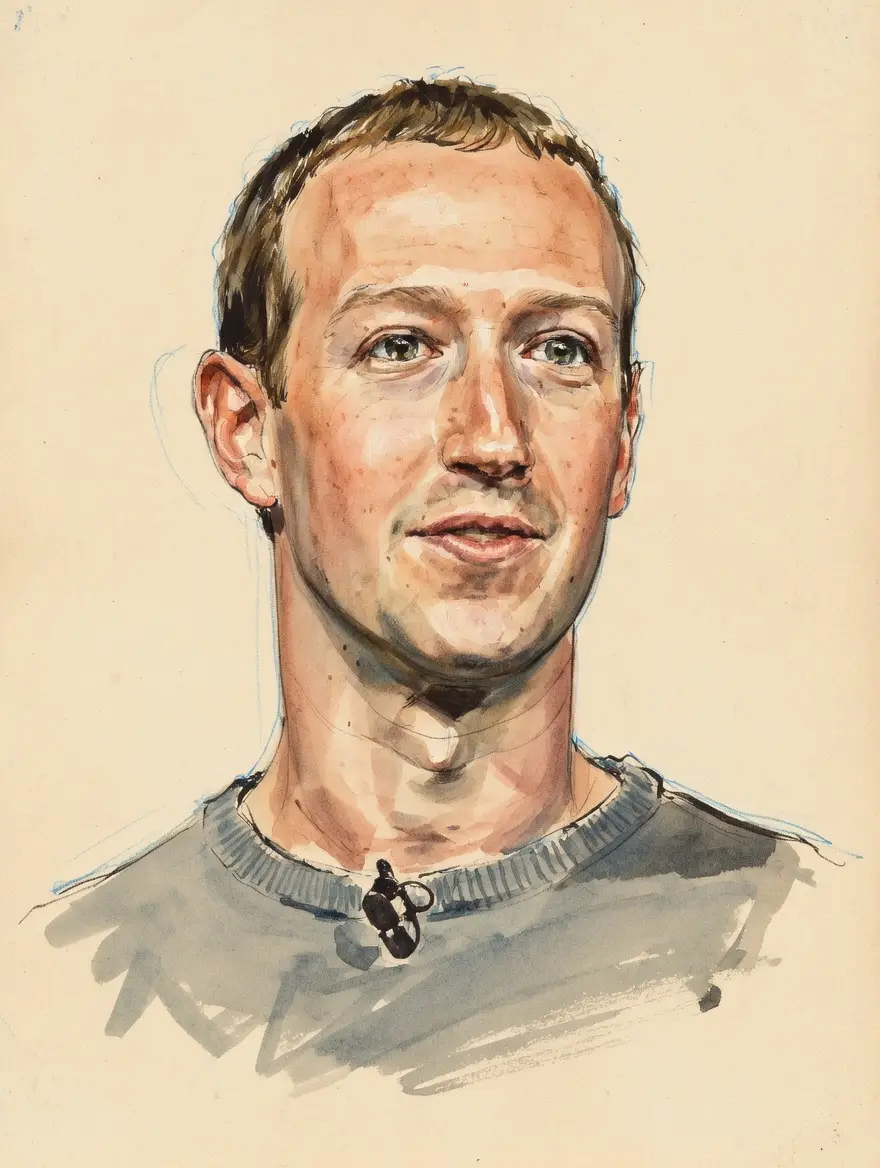
Mark Zuckerberg on Gaza
TL;DR
Mark Zuckerberg's position centers on Meta's content moderation policies concerning pro-Palestinian expression during the conflict.
Key Points
Meta removed or marked as disturbing over 2,200,000 pieces of content in Hebrew and Arabic in the nine days following the October 7, 2023 attacks.
The company faced scrutiny for lowering the content moderation threshold to 25% certainty for users in Palestinian territories following the October 7, 2023 attacks.
In January 2025, Mark Zuckerberg announced Meta would eliminate third-party fact-checkers, championing a reduction in censorship on its platforms.
Summary
Mark Zuckerberg, as CEO of Meta, is primarily defined by the company's evolving content moderation policies on Facebook and Instagram concerning the Gaza conflict. Public scrutiny has frequently focused on allegations that Meta systematically silences pro-Palestinian voices, often by erroneously removing peaceful content or applying uneven standards compared to pro-Israel content. These criticisms have prompted external investigations and inquiries from regulators, noting systemic issues with policies like the Dangerous Organizations and Individuals (DOI) policy and reliance on automated moderation that poorly interprets context, leading to over-enforcement against Arabic-language content.
In response to this sustained pressure and external scrutiny, Zuckerberg has indicated a shift toward reducing perceived over-enforcement, including announcing the phasing out of third-party fact-checking systems. This move, announced in early 2025, is framed as a restoration of free expression by simplifying policies and reducing mistakes, mirroring an approach seen on X. However, critics view this shift as potentially prioritizing profit over user safety, which they argue could exacerbate the spread of hate speech and disinformation targeting marginalized communities, including Palestinians, given the prior documented bias in content enforcement.
Frequently Asked Questions
Mark Zuckerberg’s position is primarily expressed through Meta’s content moderation strategy across Facebook and Instagram during the conflict. He has overseen policies that have been heavily criticized for disproportionately censoring pro-Palestinian content. His current focus appears to be on simplifying these policies to reduce what he perceives as over-enforcement.
Yes, his approach has evolved under pressure. Initially, Meta implemented stricter moderation thresholds in response to the conflict, leading to allegations of bias. More recently, Zuckerberg announced a major policy shift in January 2025 to reduce enforcement, specifically by eliminating third-party fact-checkers.
Zuckerberg has generally framed the ongoing debate as a matter of platform policy intended to reduce mistakes and over-enforcement, rather than directly addressing claims of bias against Palestinian narratives. He stated that past reliance on automated systems resulted in too many errors and censored content that shouldn't have been removed.
Sources6
The Take: Uncovering Meta's censorship policies on Palestine
Meta says it will end fact-checking: A boon or a setback for Palestine
Meta's Broken Promises: Systemic Censorship of Palestine Content on Instagram and Facebook
Follow-up Letter to Meta re: Suppression of Palestinian-related Content
Misinformation in the Gaza war - Wikipedia
Meta: We Need to Talk about Genocide
* This is not an exhaustive list of sources.