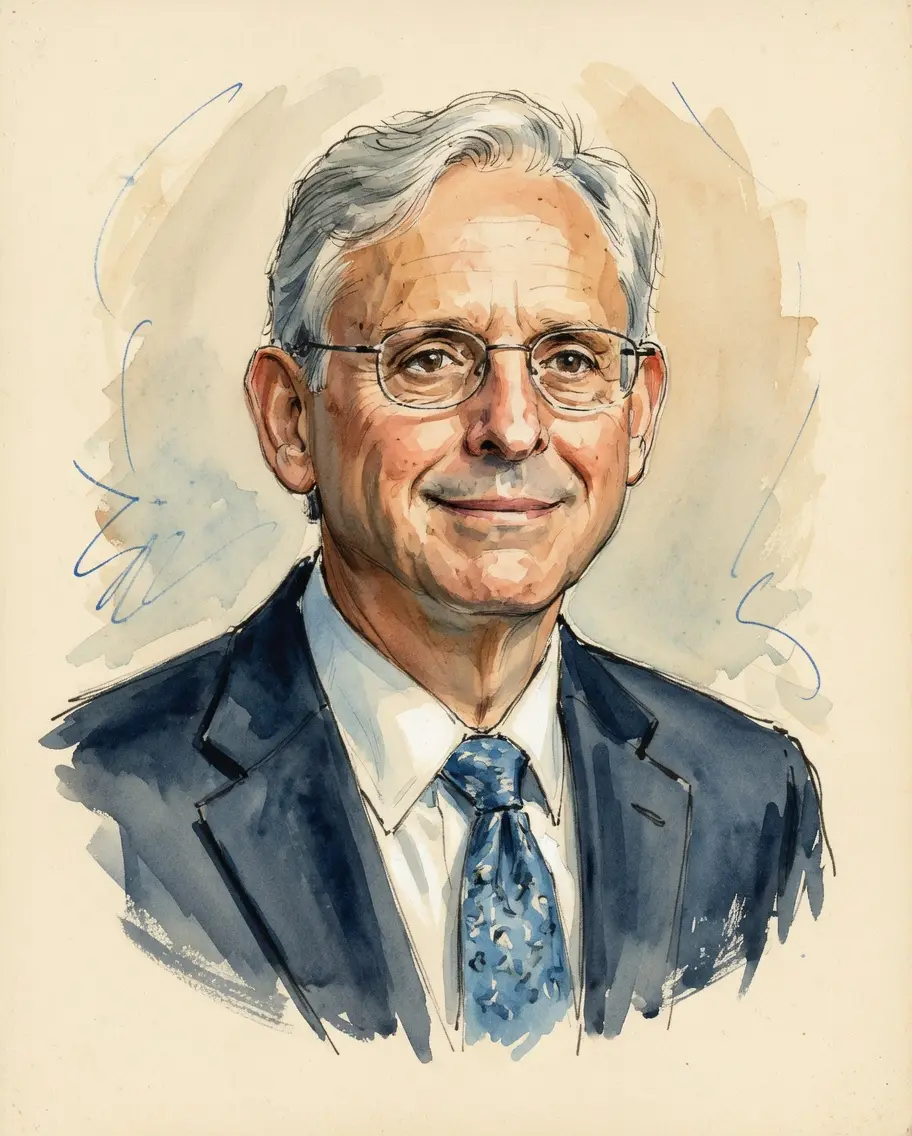
Merrick Garland on Neil Gorsuch
TL;DR
Merrick Garland has avoided making direct public comments regarding Supreme Court Justice Neil Gorsuch's judicial record.
Key Points
Garland's 2016 Supreme Court nomination by the president was blocked, creating the vacancy Gorsuch later filled.
His role as Attorney General has necessitated a professional distance from critiquing sitting Supreme Court justices.
The political dispute over the vacancy preceding Gorsuch's confirmation involved multiple high-profile political figures.
Summary
Merrick Garland has maintained a notably reserved public stance concerning the tenure and judicial philosophy of Neil Gorsuch on the Supreme Court. His primary public engagement related to the seat Gorsuch now occupies was indirect, stemming from the political battle over his own nomination to the high court in 2016. The process that ultimately led to Gorsuch's confirmation involved the Senate declining to hold a hearing or vote on Garland, allowing the subsequent president to nominate Gorsuch to the vacancy.
While Garland has not issued detailed critiques of Gorsuch's jurisprudence in his capacity as Attorney General, the context of his elevation to the role underscores a fundamental political cleavage. The confirmation battle for Gorsuch was preceded by the blocking of Garland's own nomination, a procedural move that set the stage for a different judicial composition of the court. Garland's focus has instead been on the administration's priorities, generally avoiding direct commentary on sitting justices.
Frequently Asked Questions
Merrick Garland has not offered a direct, detailed assessment of Neil Gorsuch's judicial philosophy as a sitting Supreme Court Justice. His professional role as Attorney General requires him to maintain a non-partisan posture regarding the sitting members of the Court.
While Garland did not comment extensively on the confirmation process itself, the fact that he was the president's nominee for the seat Gorsuch ultimately took is central to the political context. The Senate's refusal to consider Garland opened the door for Gorsuch's nomination.
The current structure of the Justice Department under Garland mandates that the Attorney General refrains from publicly criticizing or analyzing the current bench, which contributes to the lack of direct commentary on Neil Gorsuch. Garland's public statements focus on the department's enforcement priorities.
Sources5
Gorsuch Battle Was Over Before It Began
Merrick Garland Looms Over Neil Gorsuch Confirmation Hearing
Donald J. Trump didn't mention Merrick Garland as he led Neil Gorsuch to the seat vacated by Antonin Scalia
Garland out, Gorsuch in: The power play that paid off
Schumer (D-NY) on Merrick Garland, Neil Gorsuch
* This is not an exhaustive list of sources.