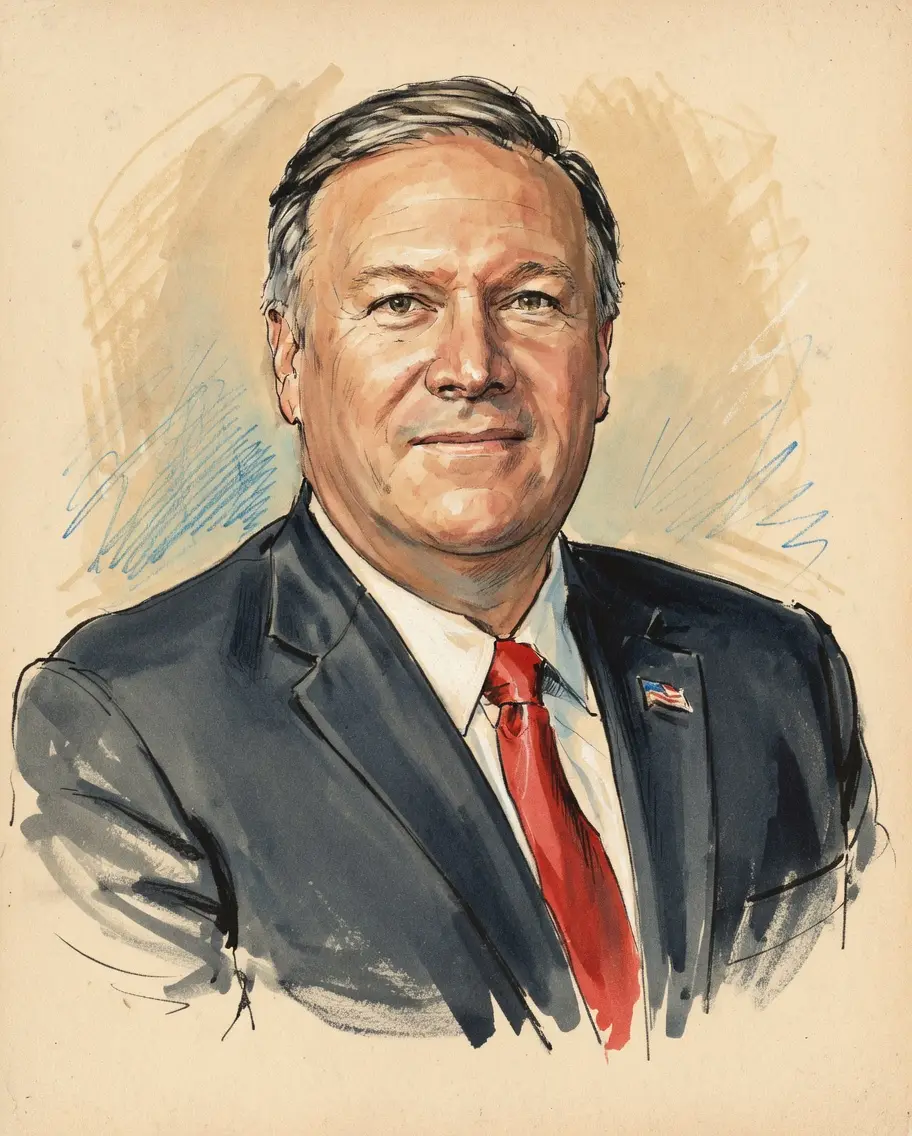
Mike Pompeo on Russia and Ukraine War
TL;DR
Mike Pompeo advocates for a strong stance against Russian aggression in Ukraine to maintain global peace and deterrence.
Key Points
He believes deterrence failed leading up to the invasion of Ukraine, necessitating a robust response to Russia's aggression.
His perspective connects the war in Ukraine to the larger challenge posed by an alliance of adversaries, including China, Iran, and North Korea.
He advocates for a policy of 'Peace Through Strength' where adversaries fear American resolve rather than assuming the U.S. will not intervene.
Summary
Mike Pompeo’s position on the Russia and Ukraine War aligns with a broader philosophy of confronting adversaries from a position of strength, a view expressed during discussions on U.S. foreign policy priorities. He implies that the failure to deter Russia was a significant security lapse that must be rectified by taking a strong stand against the invasion, lest autocrats believe force can secure territory. His past policy work, particularly during the Trump administration, focused on deterring Russia from invading, a goal that was ultimately not achieved on his watch.
The context of his views links the war in Ukraine directly to broader geopolitical competition, especially with China, suggesting that allowing Russia to succeed would embolden other adversaries. He supports continued support for Ukraine’s defense as crucial to upholding the principle of 'Peace Through Strength,' which dictates that deterrence only works if potential aggressors fear American resolve. This stance emphasizes that avoiding open-ended commitments without clear goals should be balanced with the necessity of stopping those who use force to take what they want.
Frequently Asked Questions
Mike Pompeo views the war as a critical test of American deterrence, strongly advocating for standing up to Russian aggression. He believes the invasion was a failure of deterrence that must not be allowed to stand, lest it embolden other autocratic regimes globally.
While not directly quoted in the provided sources regarding current aid votes, his underlying philosophy of 'Peace Through Strength' and confronting adversaries suggests a need to support Ukraine's defense. He frames the conflict as an example where autocrats must be stopped from taking territory by force.
He sees the conflict as directly related to the broader challenge of coordinating adversaries like China, Iran, and North Korea. For him, allowing Russia to succeed in Ukraine would signal weakness, potentially opening the door for further aggression elsewhere.
Sources3
People's Perspective: Public Opinion on Defense and National Security
Russia's major offensive planned by one-year anniversary of invasion, top security official warns
School of War podcast episode list
* This is not an exhaustive list of sources.