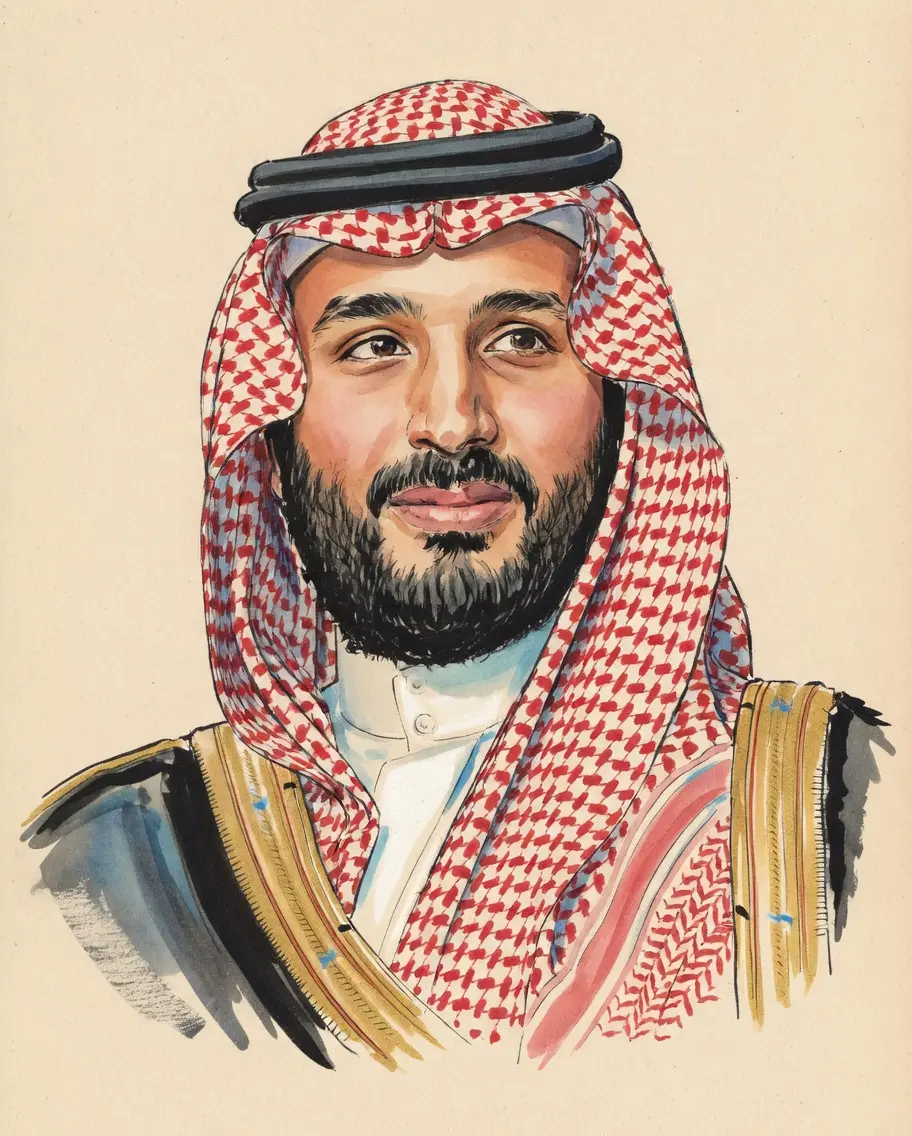
Mohammed bin Salman on Gender Equality
TL;DR
Mohammed bin Salman advocates for modernization by granting specific rights while simultaneously restraining activists to consolidate absolute power.
Key Points
He stated in a 2018 interview that women are "absolutely" equal to men and that the black abaya is not explicitly required by Sharia law, allowing women choice in respectful attire.
Under his leadership, significant reforms have been implemented, including granting women the right to drive (effective in June 2018) and allowing them to launch businesses without male guardian consent.
Despite these liberalizations, human rights organizations document that prominent women's rights activists who campaigned for these changes were subsequently detained, banned from travel, or faced ill-treatment.
Summary
Mohammed bin Salman champions certain reforms aimed at enhancing women's rights as part of his sweeping Vision 2030 modernization plan, publicly stating that women are "absolutely equal to men" and that extremists should not dictate dress codes. Key steps he has supported include lifting the ban on women driving, allowing them to launch businesses without male consent, and permitting them to attend sporting events, often framing these as returning the Kingdom to a pre-1979 norm of liberalization and necessity for economic diversification.
However, critics note a significant contradiction: these reforms are top-down, state-sponsored, and appear designed to serve economic goals and project a modern international image while simultaneously suppressing independent female activists who fought for these very changes. The government has been accused of employing a 'carrots and sticks' approach, celebrating legal changes while arbitrarily detaining, torturing, or ill-treating women's rights defenders, thereby reinforcing a system of control where liberation is conditional upon state approval, not genuine systemic change.
Frequently Asked Questions
Mohammed bin Salman’s position is framed around social liberalization as a component of Vision 2030, asserting that women are equal to men. He has overseen policy changes like the right to drive and increased workforce participation. However, this empowerment is often characterized as state-sponsored and conditional, leading to an assessment of his stance as mixed by critics.
Yes, his actions represent a significant departure from decades of strict social codes, indicating a change in policy direction that promotes greater female autonomy in certain areas. This shift is most evident through measures like lifting the driving ban and easing aspects of the male guardianship system since 2017.
The Crown Prince stated that women are required to wear 'decent, respectful clothing, like men' under Sharia law, but specified that this does not mandate the black abaya. He asserted the decision on specific attire is entirely left for women to choose.
Sources7
Saudi Crown Prince Mohammed bin Salman says women are 'absolutely' equal to men, continues modernization push
Gendering US Foreign Policy in the Gulf – Young Professionals in Foreign Policy
Saudi Arabia: End Male Guardianship | Human Rights Watch
Saudi Arabia's Crown Prince Says Women Are 'Absolutely' Equal
Crown Prince Mohammed bin Salman's Performative Promise of Gender Equality
State sponsored feminism in Mohammed bin Salman's Saudi Arabia
Prince Mohammed bin Salman Declares Women In Saudi Arabia Can Choose Their Own Attire | The Bronx Daily | Bronx.com
* This is not an exhaustive list of sources.