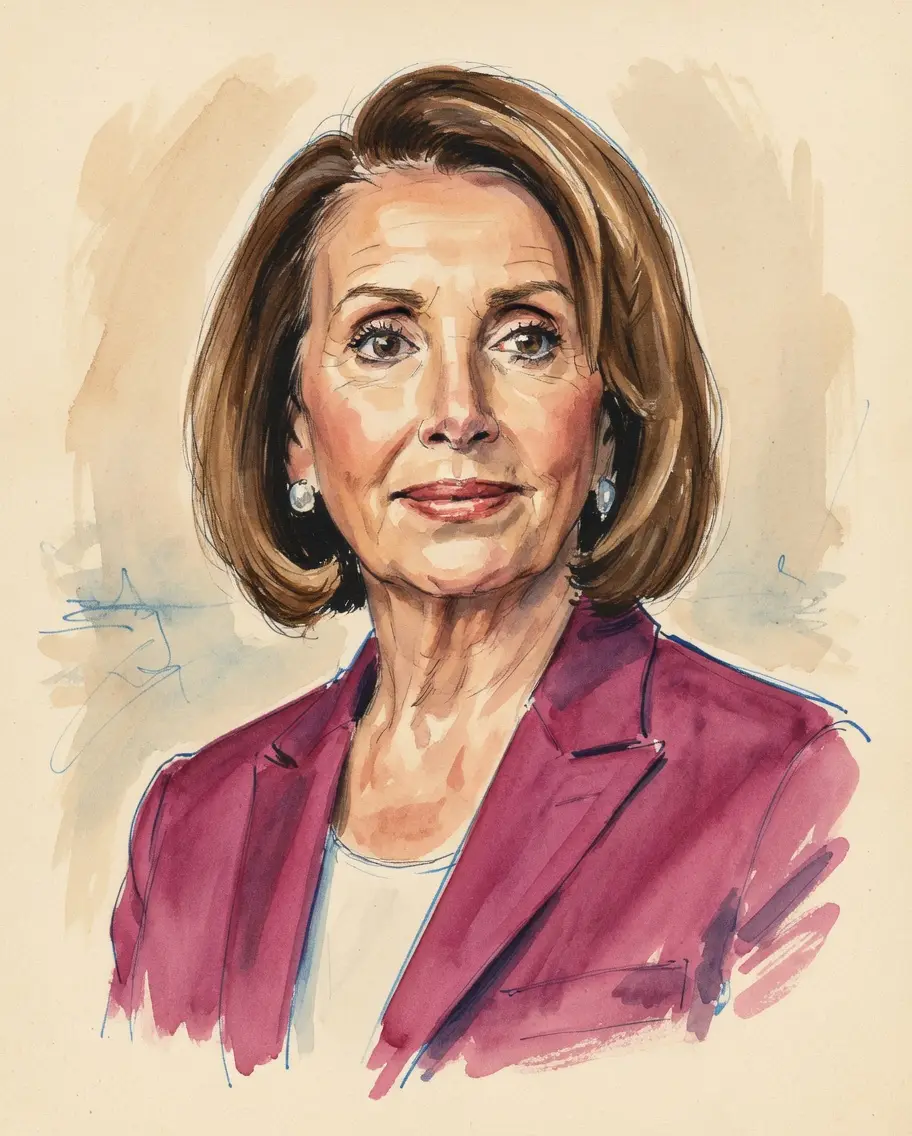
Nancy Pelosi on Tariffs
TL;DR
Nancy Pelosi generally advocates for reciprocal tariffs, particularly against China, while opposing unilateral, broad tariffs seen as disruptive.
Key Points
In June 1996, she called for reciprocal tariffs on China to confront trade abuses against American goods.
She issued a statement condemning the former president’s tariffs as “senseless” and harmful to American families in 2018.
She has explained that tariffs are best used as a reciprocal measure when foreign countries are taking advantage of the United States.
Summary
Nancy Pelosi’s stance on tariffs has been characterized by a consistent demand for reciprocity in trade relationships, most frequently citing China. She has called for confronting what she views as unfair trade practices, often framing the need for tariffs as a tool to enforce a level playing field for American workers and industries. This position has been articulated over many years, with her past statements supporting the use of tariffs against Chinese goods to address trade imbalances and intellectual property theft. She expressed opposition to the broader, unilateral tariffs imposed by the former administration, arguing they damaged American relationships and were poorly implemented.
Her position shows a distinction between targeted, reciprocal trade actions and broad, disruptive trade wars. While she has a history of calling for congressional action on trade enforcement dating back to the 1990s, she later criticized the former president’s unilateral approach, which she labeled "senseless." This suggests her core belief lies in using tariffs strategically as leverage within a multilateral framework rather than as a primary, unpredictable tool of foreign economic policy. The evolution of her public statements reflects a shift from early calls for strict enforcement to later critiques of the specific tariff strategy employed by the executive branch.
Key Quotes
“The Trump Administration's flagrant ineptitude is tanking our economy in a self-inflicted disaster that leaves hardworking American families bearing the brunt of the pain.
“In terms of tariffs, it's interesting to note that the average U.S. MFN [Most Favored Nation] tariff on Chinese goods coming into the United States is two percent, whereas the average MFN tariff on U.S. goods going into China is 35 percent."
Frequently Asked Questions
Nancy Pelosi generally supports the use of tariffs as a reciprocal tool to ensure fair trade, particularly when confronting countries like China over unfair trade practices. However, she has strongly opposed unilateral or poorly targeted tariff actions that she views as damaging to the U.S. economy and international relationships.
No, she strongly opposed the unilateral tariffs implemented by the former president, calling them "senseless" in a 2018 statement. While she has historically supported tariff action against China, her criticism focused on the administration’s unpredictable and broad application of them.
As a member of Congress in 1996, Nancy Pelosi demanded that Congress confront Chinese tariffs on American goods. She advocated for reciprocal tariffs, using them as a tool to enforce fairer trade terms with China over intellectual property issues.
Sources5
Pelosi Statement on President Trump’s “Senseless” Tariffs
Former House Speaker Nancy Pelosi on Monday criticized President Donald Trump's tariffs on steel and aluminum
House Proceeding: Nancy Pelosi Calls For Reciprocal Tariffs With China - June 27, 1996
Flashback: 30 years ago, Nancy Pelosi demanded Congress confront Chinese tariffs on American goods
Nancy Pelosi explains tariffs in terms of trade deficit and American goods
* This is not an exhaustive list of sources.