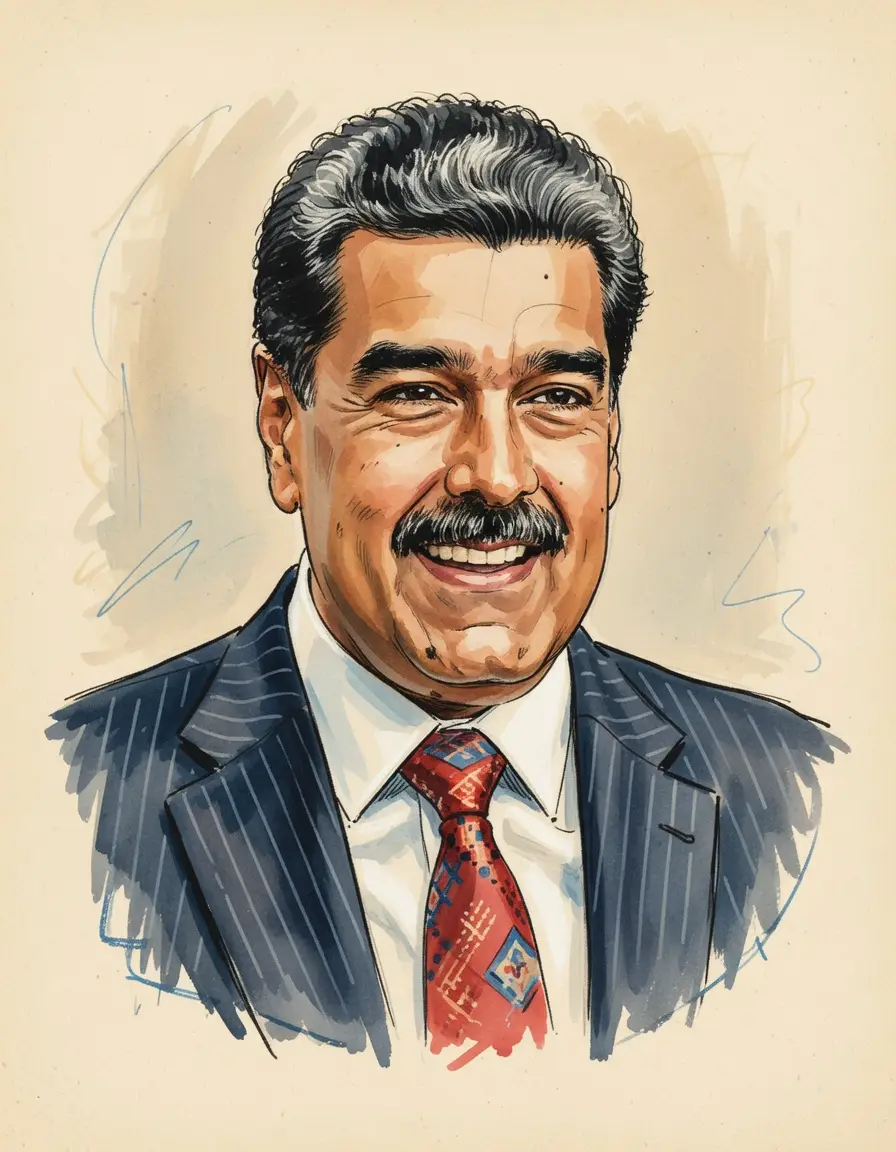
Nicolás Maduro on LGBT Rights
TL;DR
Nicolás Maduro has publicly urged consideration for same-sex marriage legalization while simultaneously facing criticism for inaction and previous anti-gay rhetoric.
Key Points
In November 2017, Nicolás Maduro personally stated support for legalizing same-sex marriage.
In 2013, the government launched the "Safe Homeland Plan" amid reports of widespread violence and discrimination against LGBT persons.
Military personnel faced potential imprisonment and dismissal for same-sex conduct under Article 565 of the Military Code of Justice until the Supreme Court annulled it in March 2023.
Summary
Nicolás Maduro's position on LGBT rights has been characterized by periods of public support for advancements, juxtaposed with a general lack of comprehensive legislative action and historical use of homophobic rhetoric against opponents. In 2017, the president expressed personal support for legalizing same-sex marriage and indicated the Constituent Assembly would discuss it, a stance he publicly reiterated in 2018, calling for the National Assembly to consider a marriage equality bill following commentary by the Pope. Furthermore, his government inaugurated a Presidential Council of Sexual Diversity in 2015 to combat discrimination and promised a special law for judicial validity and protection for the community.
Despite these supportive statements, critics note that concrete, broad protections have been slow to materialize, and the government has faced accusations of using homophobic rhetoric as a political tool. For instance, in 2013, then-Vice President Maduro apologized for homophobic slurs used by a legislator against an opponent, while simultaneously repeating allegations involving that opponent and homosexual/transgender prostitution. Moreover, military personnel previously faced severe penalties, including imprisonment, for same-sex conduct under a Military Code of Justice provision that was only annulled in 2023, signaling a conflict between stated support and institutional practice.
Key Quotes
Your fight for respect has moved me, and … you can count on me.
I am not homophobic. The revolution has vindicated respect for all.
...the National Assembly to consider the passage of a marriage equality bill when the legislature convenes for its next term in January.
Frequently Asked Questions
Nicolás Maduro has publicly signaled support for LGBT rights, notably by urging the National Assembly to consider legalizing same-sex marriage and establishing a Presidential Council of Sexual Diversity. However, the actual advancement of comprehensive non-discrimination legislation under his administration has been inconsistent.
Yes, Maduro's stance appears to have evolved toward more explicit public support for marriage equality, particularly following the Pope's comments in 2017. This contrasts with the previous government's practice, where officials sometimes used homophobic slurs as a political tactic against opponents.
The government created the Presidential Council of Sexual Diversity to tackle discrimination and promised specific anti-discrimination laws. Nevertheless, reports indicate that pre-existing discriminatory laws, like one punishing same-sex conduct in the military, remained active until 2023, signaling continued institutional challenges.
Sources9
Venezuela's Maduro urges legalization of same-sex marriage after Pope's comments. : r/worldnews
Venezuela: Brutal Crackdown Since Elections | Human Rights Watch
LGBTQ rights in Venezuela - Wikipedia
Responses to Information Requests - Immigration and Refugee Board of Canada
LGBT Rights and Representation in Latin America and the Caribbean:
Venezuela's Maduro Launches Sexual Diversity Council - Venezuelanalysis
VENEZUELA 2013 HUMAN RIGHTS REPORT - State.gov
Draconian Law Punishes Gay Sex in Venezuelan Military | Caracas Chronicles
Venezuela: A look from the perspective of diversity and human rights - Presentes Agency
* This is not an exhaustive list of sources.