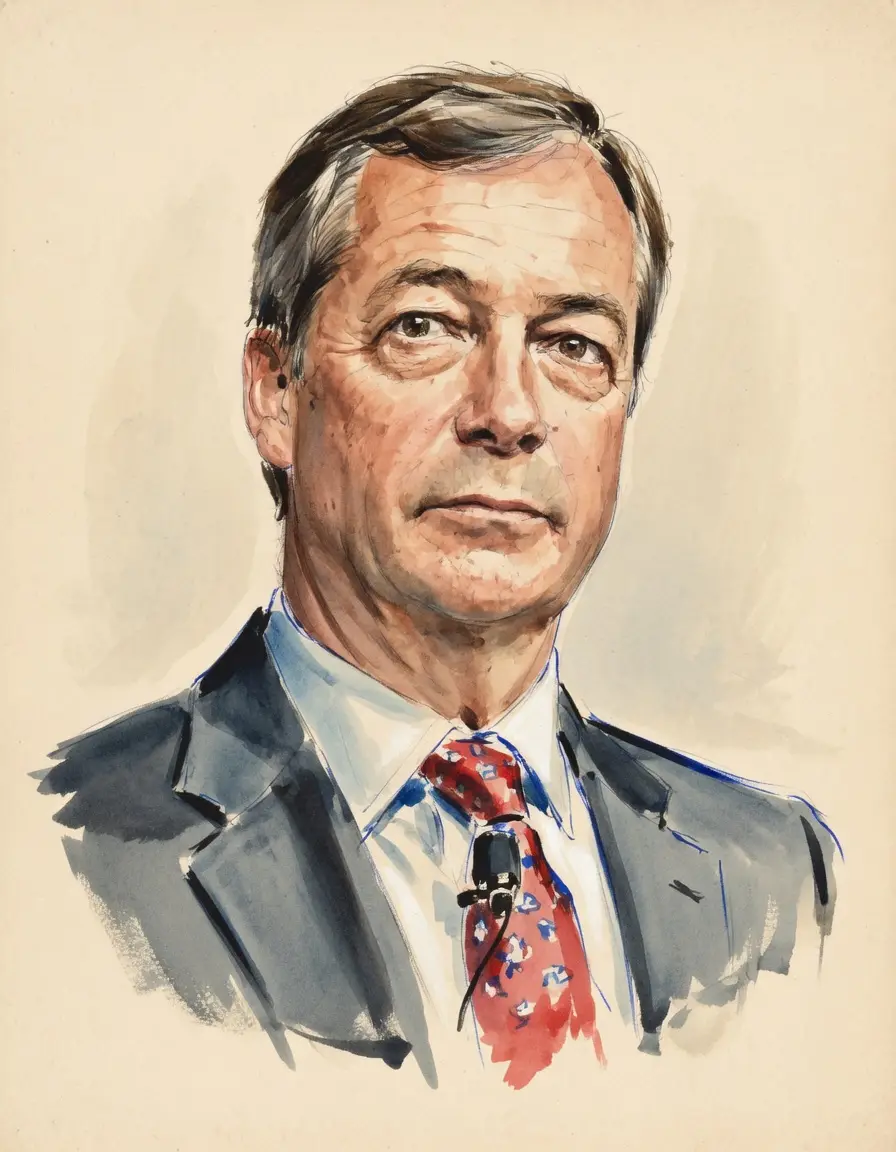
Nigel Farage on Taxes
TL;DR
Nigel Farage now states that major tax cuts are unrealistic until substantial government spending reductions are achieved.
Key Points
The party leader stated that the £90 billion tax cut proposal from the 2024 general election manifesto was an 'aspiration' and not a firm commitment.
He affirmed an intention to immediately remove Inheritance Tax (IHT) from family farms and family-run businesses when possible.
Farage's current approach is to prioritize ensuring government savings are made before implementing any significant tax cuts.
Summary
Nigel Farage has recently moderated his party's stance on immediate and substantial tax reductions, acknowledging the dire state of public finances. He stated that large tax cuts, such as those previously proposed in the manifesto, were only ever aspirations and that Reform UK must ensure savings are made before implementing them. This shift in tone is aimed at bolstering the party's economic credibility against critics who dismissed earlier plans as unrealistic. He has indicated that initial, more modest tax adjustments might be possible, such as removing inheritance tax for family farms and businesses, and starting to raise tax thresholds for income tax.
His previous manifesto included commitments to cuts worth around £90 billion, which encompassed reducing corporation tax, lowering fuel duty, and raising the personal income tax allowance to £20,000. The party is now focusing its immediate proposals for savings on areas like welfare, significantly cutting the civil service, and scrapping net-zero subsidies. Farage insists that if the rich leave the country due to high taxes, the burden will fall on poorer members of society, justifying his desire to keep high earners legally paying tax in the UK.
Key Quotes
“Reform will never borrow to spend, as Labour and the Tories have done for so long; instead, we will ensure savings are made before implementing tax cuts.”
Frequently Asked Questions
Nigel Farage has recently backtracked on large, immediate tax cuts, stating they are unrealistic until substantial government spending reductions are achieved. He described the previously proposed £90 billion in cuts as aspirations rather than firm promises. His current focus is on spending cuts before significant tax reductions.
Yes, he has signaled a significant change by prioritizing spending cuts over immediate tax reductions, moving away from the initial manifesto commitments. This was framed as a necessary, mature approach to the current state of the public finances. While he still desires tax cuts, they are now conditional on finding savings first.
While major cuts are on hold, he aims to make relatively modest immediate changes, such as abolishing IHT on family farms and businesses. He also wishes to raise the personal income tax allowance as part of a broader, long-term goal. These modest changes are intended to begin easing the burden on workers.
Sources4
Nigel Farage backtracks on Reform UK's promise to cut £90bn of taxes
Nigel Farage to abandon Reform manifesto's big plans for tax cuts : r/ukpolitics
Reform UK: Party drops radical tax cut commitment
Reform UK's Farage waters down tax pledges in pitch for economic credibility
* This is not an exhaustive list of sources.