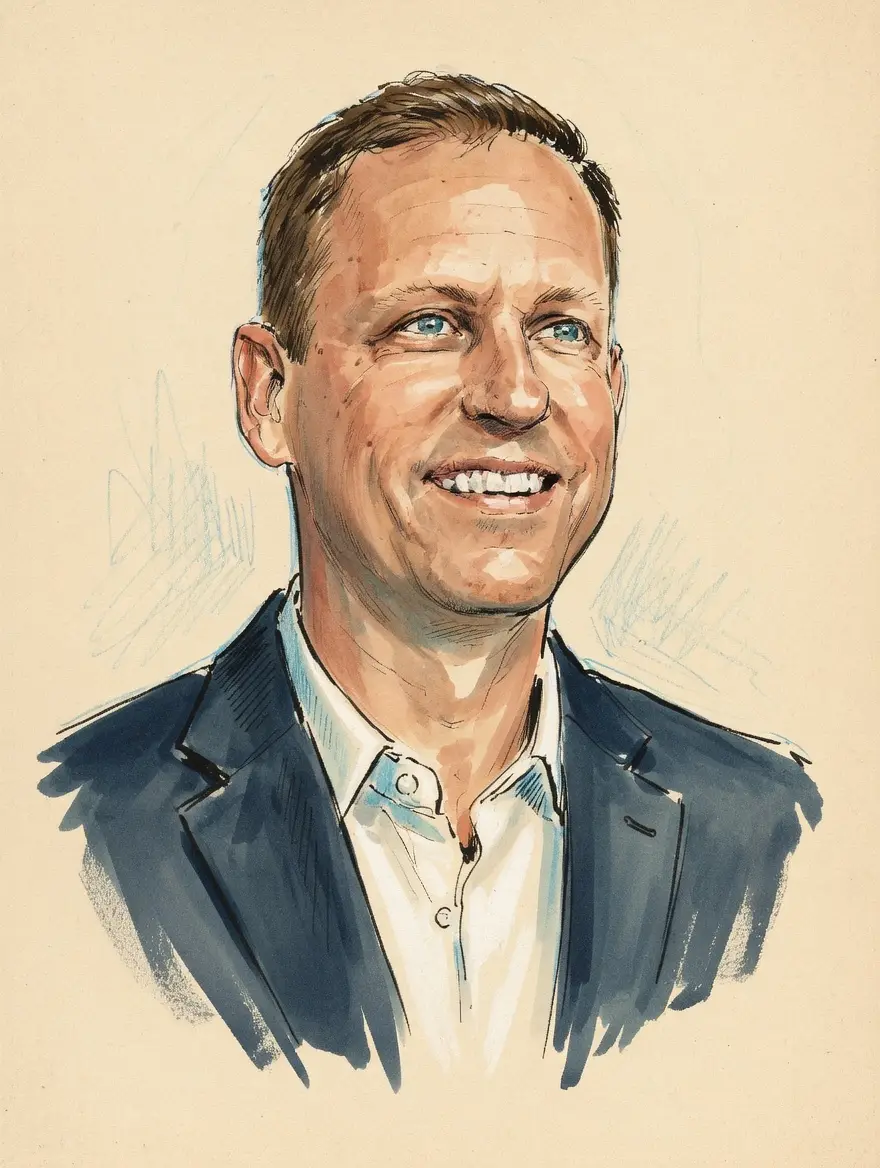
Peter Thiel on Entrepreneurship
TL;DR
Peter Thiel contends that true entrepreneurial success involves creating entirely new things, moving from zero to one, rather than incremental competition.
Key Points
He posits that moving from zero to one, creating something new, is the path to value creation, contrasting it with moving from one to $n$, which is mere competition.
Thiel advises that successful entrepreneurs should strive for a monopoly by possessing a unique technology or proprietary insight that sets them far apart from competitors.
He suggests that pursuing entrepreneurship as a direct, primary goal is often a mistake; instead, the focus should be on building a specific valuable company.
Summary
Peter Thiel asserts that the highest value in entrepreneurship comes from moving from zero to one, which signifies creating new and unique technology or business models, rather than moving from one to $n$ via competition in existing markets. He argues that competition is inherently destructive to profits and is a characteristic of businesses lacking monopoly power, urging founders to seek out or build monopolies by creating something where there was previously nothing. This contrarian view is central to his philosophy, emphasizing that massive success is rarely achieved through competing in crowded spaces, as competition often leads to incremental improvements rather than transformative creation.
This perspective implies a strong bias toward founding or funding genuinely novel ventures that offer a significant technological or structural advantage. He suggests that startups should aim to solve a big, overlooked problem with a unique solution, often requiring a secret or proprietary insight. The implication for founders is a mandate to focus on building differentiated, potentially monopolistic businesses through technological breakthroughs, viewing incremental competition as a path to mediocrity rather than outsized returns.
Frequently Asked Questions
Peter Thiel's core idea revolves around his concept of 'Zero to One,' meaning true entrepreneurial success comes from inventing something entirely new, not from incremental improvements on existing ideas. He strongly favors creating novel technology or markets that lead to a monopoly rather than competing in established, crowded fields.
He stated that heavy competition is often a sign that a company is not creating enough new value and is instead fighting over a small existing slice of the market. For Thiel, intense competition is destructive to profits and suggests a failure to achieve a unique position that protects the business long-term.
The central tenets of his philosophy, particularly the zero-to-one framework outlined in his book, remain consistent across his later commentary. Peter Thiel continues to champion founders who pursue contrarian ideas and build new monopolies, rather than those focused solely on incremental market gains.
Sources9
Peter Thiel on Entrepreneurship: Three Contrarian Ideas for Going From Zero to One
Peter Thiel explains why entrepreneurship is not a good direct goal
Peter Thiel’s Take on Entrepreneurship
Peter Thiel on Zero to One
Peter Thiel: Shaping The Next Generation Of Entrepreneurs
Peter Thiel Explains Why Entrepreneurship Is Not A Good Direct Goal
Zero To One By Peter Thiel: Lessons In Bold Entrepreneurship
Understanding Peter Thiel’s Zero To One: A Guide To Innovation And Startups
* This is not an exhaustive list of sources.