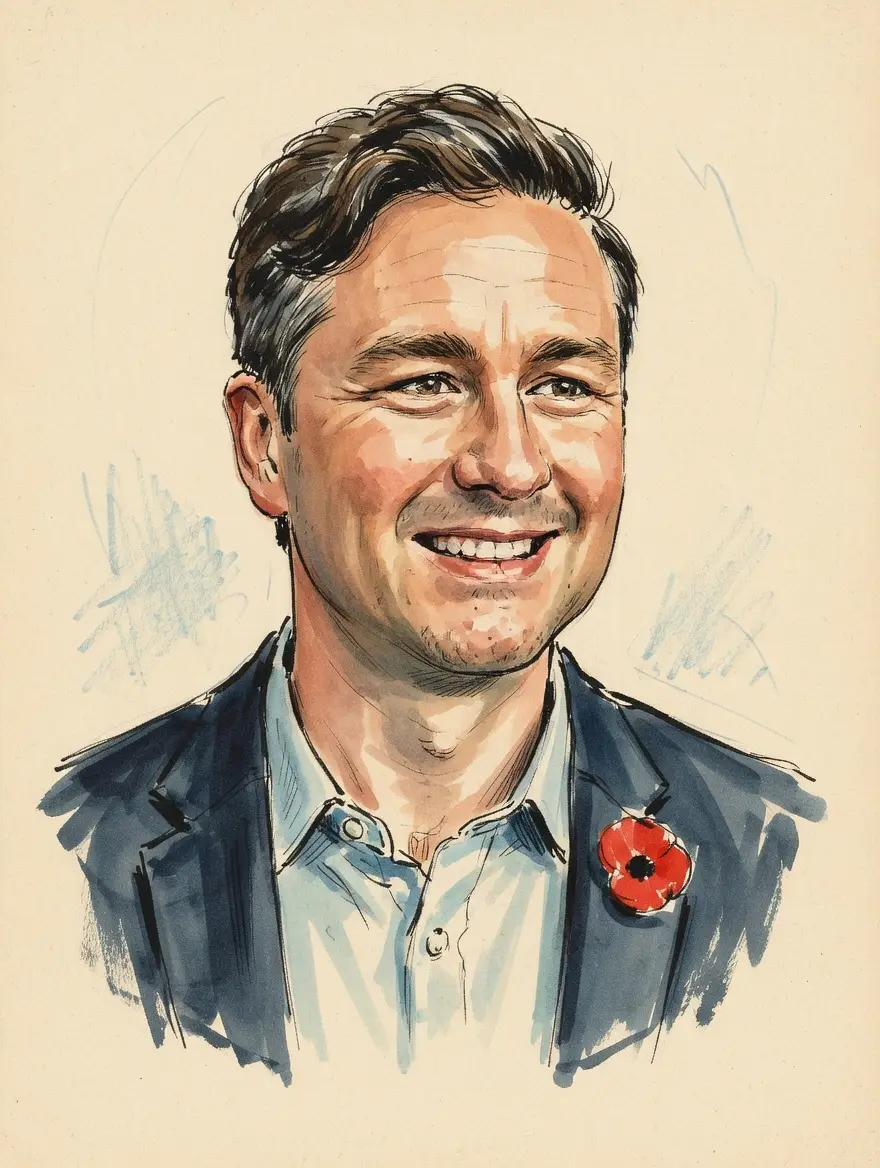
Pierre Poilievre on Alberta Separation
TL;DR
Pierre Poilievre explicitly rejects Alberta separation, stating his party is entirely federalist and will fight for a united Canada.
Key Points
He stated that the Conservative Party is "entirely a federalist caucus" in February 2026.
He has blamed Liberal policies for the resurgence of separatist movements in Alberta and Quebec.
Twenty-two per cent of Albertans polled in late February 2026 believed he would vote in favour of Alberta separation in a referendum.
Summary
Pierre Poilievre rejects Alberta Separation, asserting that the Conservative Party is "entirely a federalist caucus" and is committed to maintaining a united Canada. He has stated that he has not had a single Member of Parliament on his team express support for Alberta separatism, even while acknowledging that a movement in the province is pushing for a referendum. Furthermore, he has attributed the resurgence of separatist sentiment in Alberta and Quebec to the policies of the governing federal Liberals, claiming Ottawa has been detrimental to the province's energy sector and historical sense of self.
Despite his stated position, some observers note that his political strategy has left him in a difficult position, as the rise of separatism is linked to conservative grievance politics. Polling data suggests that a notable segment of Albertans perceive him as potentially supportive of separation, even though he publicly advocates for unity. He maintains that he is both a proud federalist and a “born and bred Albertan,” positioning himself against the separatist goal while blaming federal inaction for fueling the issue.
Key Quotes
...he has not had a single member of Parliament on his team express they are in favour of Alberta separatism.
Frequently Asked Questions
Pierre Poilievre's explicit position is a rejection of Alberta Separation; he states his party is entirely federalist and committed to national unity. He attributes the rise of separatist sentiment to the federal government's policies rather than inherent structural issues.
No, he has vocally rejected the idea of Alberta leaving Canada and insists his caucus is composed of federalists. However, his critics suggest his political positioning in the West leaves him vulnerable or complicit with separatist undertones.
The Conservative leader claimed that separatist movements are in resurgence because the governing Liberals are in power. He specifically argued that Ottawa's actions, like stomping on Alberta's energy sector, fuel this division.
Sources4
Poilievre says Conservatives want national unity in face of separation threats
Poilievre accuses Liberals of stoking separatist sentiment in Alberta, Quebec
'Rock solid' majority opposed to Alberta independence: Abacus Data poll
Change in government wouldn't stop Alberta separatist movement, says leader
* This is not an exhaustive list of sources.