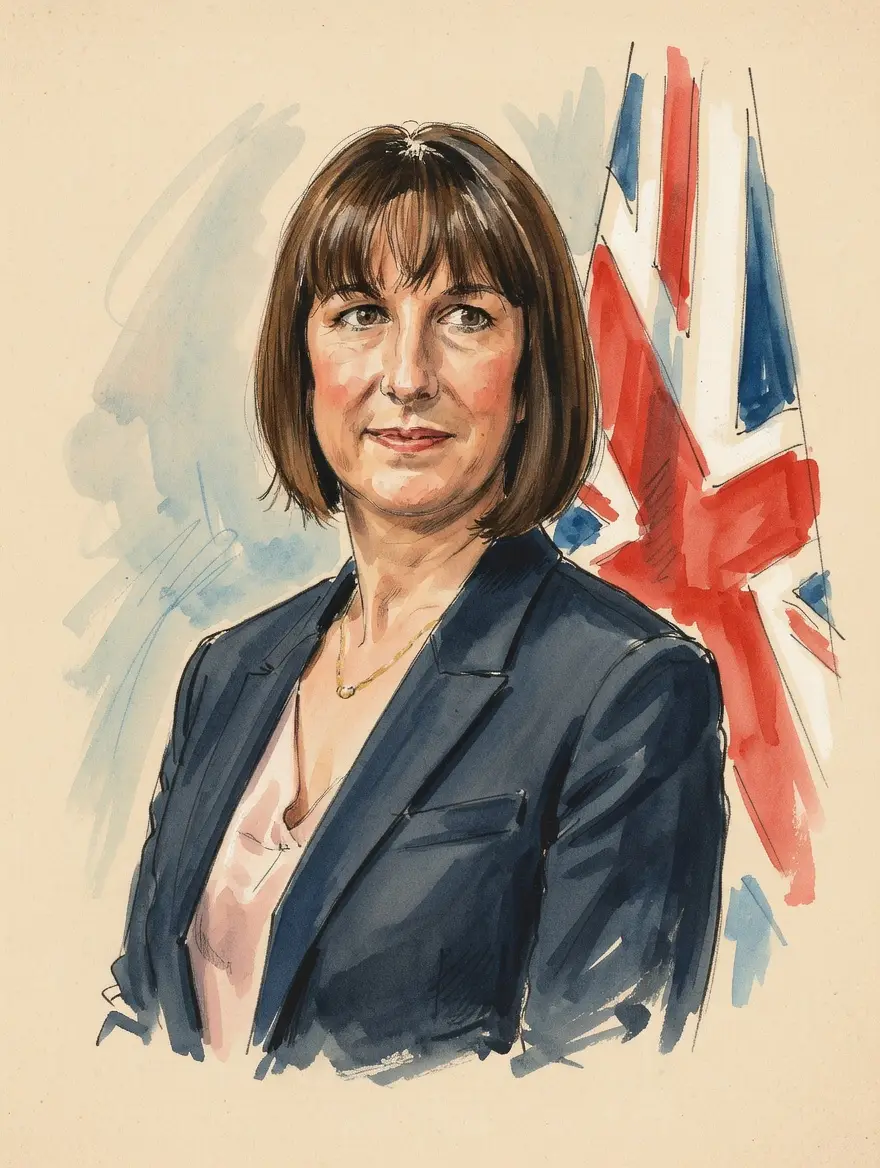
Rachel Reeves on Benefits
TL;DR
Rachel Reeves has committed to reforming the welfare system, particularly focusing on getting people off benefits and into work.
Key Points
Official forecasts indicated the total welfare spend will rise to £407bn by 2030-31, an increase of £74bn over five years.
She has pledged to announce further reforms to tackle youth unemployment and the nearly one million so-called “Neets” in the coming weeks.
In a previous fiscal event, she was reportedly forced to water down planned cuts to health and disability benefits following internal party pushback.
Summary
Rachel Reeves, as Chancellor, has addressed the welfare system primarily through the lens of fiscal responsibility and employment incentives. Official forecasts show the overall benefits bill, which includes pensions, is set to rise significantly, with specific upward pressure noted on health and disability benefits due to caseload increases. She has acknowledged the need to control public spending, particularly this bill, and has spoken about inheriting a legacy of neglect in the system from the previous government.
Her stated intention is to introduce reforms aimed at improving employment rates, especially among young people who are not in education, employment, or training. While she has avoided announcing major, immediate changes to eligibility, the Chancellor has committed to setting out further reforms following a review into youth unemployment. This suggests a future focus on moving claimants from out-of-work benefits into employment, though past attempts at benefit cuts have reportedly been watered down.
Key Quotes
“right plan”
Frequently Asked Questions
Rachel Reeves's position is focused on reforming the welfare system to reduce reliance on benefits and boost employment rates. She frames this as 'fixing' a legacy left by the previous administration. Her recent statements emphasize getting young people off benefits and into work.
Yes, evidence suggests her stance has evolved, as she was reportedly forced to water down previously planned cuts to health and disability benefits. This indicates a shift from more aggressive savings measures to a more moderate approach on specific benefit areas.
Rachel Reeves noted that official forecasts showed the overall benefits bill, including pensions, is set to rise by an extra £74bn over five years. She also highlighted that health and disability benefit costs are rising due to caseload increases.
Sources6
Four things we learnt from Rachel Reeves's spring forecast 2026
Benefits bill to cost extra £74bn - as Reeves pledges new back to work reforms
Rachel Reeves's pledge to cut benefits bill is challenged
Rachel Reeves Christmas better off claim debunked
Reeves claim £1,000 better off unravels: 'Not if you're on benefits'
Benefits bill cost £74bn as Reeves pledges reforms
* This is not an exhaustive list of sources.