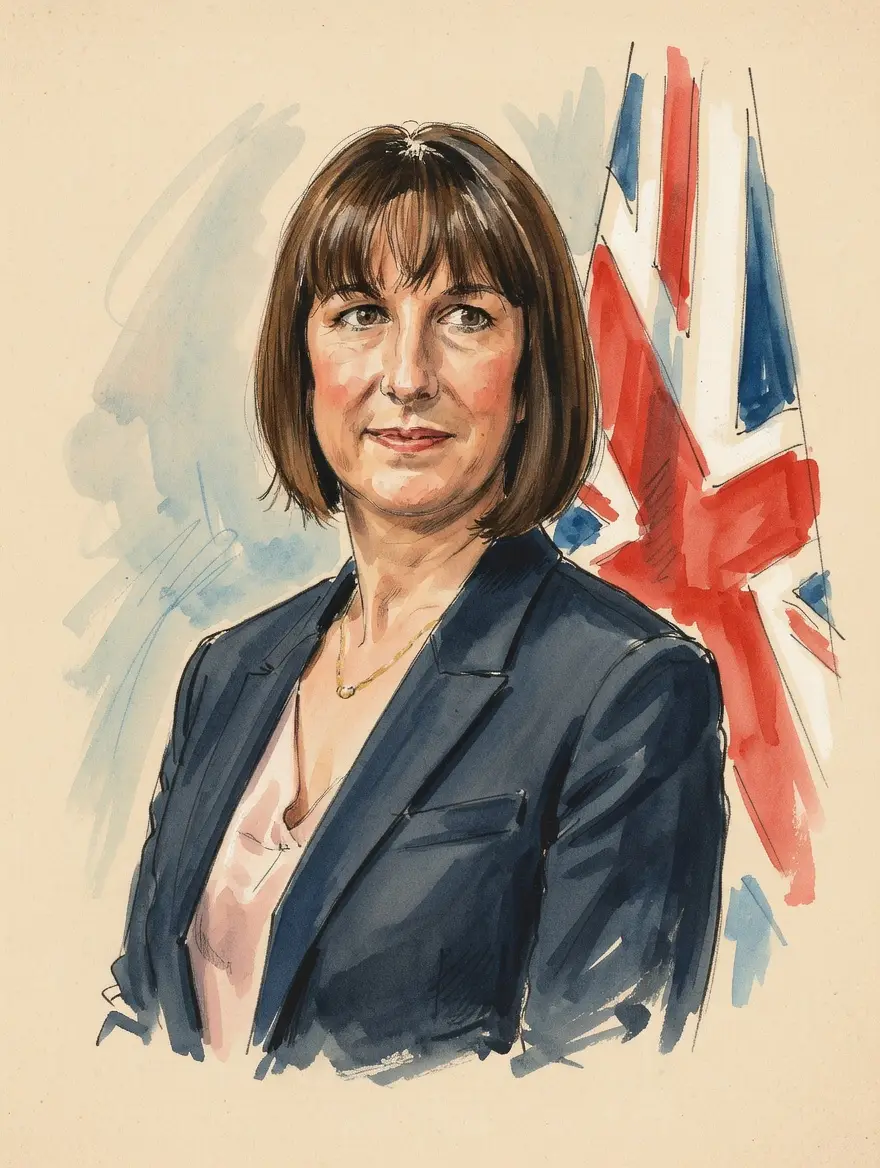
Rachel Reeves on Privatisation
TL;DR
Rachel Reeves supports maintaining current private sector involvement in key utilities while favouring nationalisation only in specific, limited circumstances.
Key Points
She has supported the trade union stance that outsourcing in public services must end to restore public service delivery.
Her approach to state ownership appears pragmatic, focusing on economic stability rather than ideological wholesale reversal of privatisations.
She has indicated a desire to make the UK the best place in the world to do business, suggesting caution on sweeping nationalisation plans.
Summary
Rachel Reeves’s core position on privatisation appears nuanced, generally accepting the status quo for most privatised entities while signalling an openness to greater state involvement in specific sectors like utilities or infrastructure, often framed through a lens of economic stability and future investment. While she has expressed support for protecting existing family farms and has not broadly called for a wholesale reversal of previous privatisations, she has also supported the trade union position that outsourcing in public services must end, suggesting a critical eye toward existing private sector involvement in areas like the NHS.
This stance suggests an approach where large-scale renationalisation is off the table, contrasting with some voices on the political left, yet she remains committed to robust public ownership principles where it serves a perceived national interest. Her focus on creating the best place in the world to do business suggests a caution against radical shifts that might deter investment, even as she commits to strong fiscal rules and reviews of existing arrangements, indicating a pragmatic approach to asset ownership rather than a purely ideological one.
Frequently Asked Questions
Rachel Reeves holds a nuanced position, generally accepting existing private sector involvement in many areas but signalling a critical view on outsourcing within public services. She has not made a broad pledge to reverse major privatisations across the board.
The provided information suggests her stance is consistently pragmatic, balancing a desire for strong public services with the need to maintain a business-friendly environment. There is no clear evidence of a major ideological shift on the principle of privatisation itself.
Rachel Reeves has supported the view, shared by unions, that outsourcing in public services should cease. This indicates a desire to bring more public functions back under direct state control, particularly in areas like the NHS.
Sources4
Rachel Reeves and Keir Starmer’s Labour Party and nationalisation
Rachel Reeves Statement
I am working to make the UK the best place in the world to do business
Outsourcing must end to restore public services
* This is not an exhaustive list of sources.