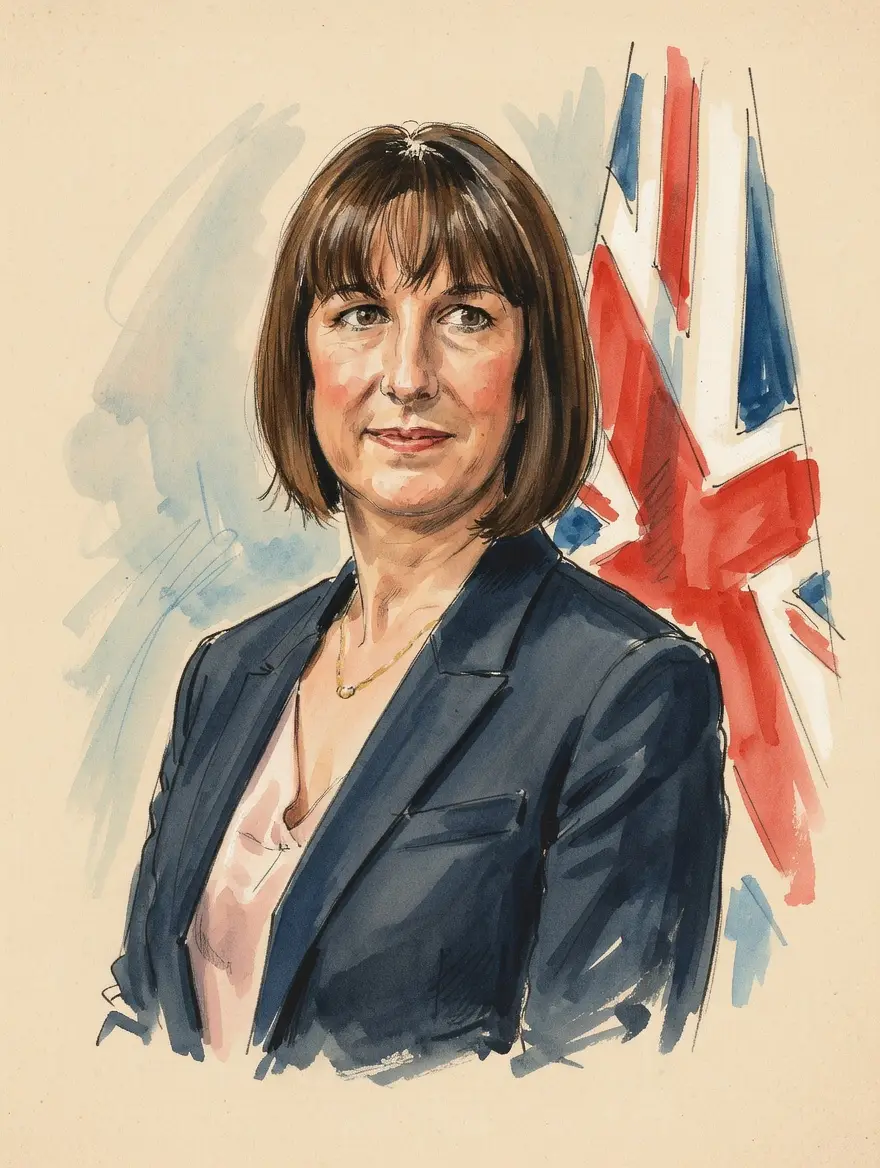
Rachel Reeves on Savings
TL;DR
Rachel Reeves's government is maintaining frozen tax thresholds, which significantly impacts savers by eroding tax-free interest allowances.
Key Points
The government is urged to reform the rule removing the tax-free personal allowance for those earning over £100,000, which creates a 60 per cent marginal rate.
Workers earning below £50,000 typically have a £1,000 tax-free savings interest allowance, meaning around £20,000 in savings could breach the limit at current top rates.
The current approach means that 2.1 million people are expected to be caught in the 60 per cent tax trap during the 2026-27 tax year due to frozen thresholds.
Summary
Rachel Reeves, as Chancellor, faces scrutiny for the economic effect of freezing income tax thresholds, which directly impacts the tax treatment of savings interest. By keeping thresholds unchanged, particularly the Personal Savings Allowance (PSA), an increasing number of individuals are being dragged into paying tax on their savings earnings, creating an effective tax trap for some high earners. For basic rate taxpayers, the £1,000 PSA is exposed to erosion, while higher earners can see their entire allowance removed, leading to a marginal tax rate of 60 per cent on income between £100,000 and £125,140.
This policy of freezing thresholds, which has been in place since 2010 for some elements, is criticised as a form of stealth tax that discourages saving and investment, especially when combined with the withdrawal of childcare support at the £100,000 income mark. Critics argue that had the threshold kept pace with inflation since 2010, it would be substantially higher, meaning the current approach is creating significant tax liabilities for savers who are not seeing a corresponding increase in their real returns or allowances. Furthermore, some analyses suggest that the government's focus on fiscal rules and stability theatre overlooks the necessity of capitalising on available resources for productive investment, which could otherwise benefit the wider economy.
Frequently Asked Questions
Rachel Reeves's government has maintained frozen tax thresholds, which directly impacts savers by keeping the Personal Savings Allowance (PSA) unchanged in real terms. This means more individuals are liable for tax on savings interest than previously, as wage growth pushes them over the static limits. She is facing calls to reform these thresholds to mitigate the effect on households.
For basic rate taxpayers, the frozen Personal Savings Allowance means you pay tax on savings interest sooner than if the allowance had increased with inflation. For higher earners, the withdrawal of the personal allowance creates an effective marginal rate of 60 per cent between £100,000 and £125,140 of income. This situation is often described as a 'stealth tax' on savings.
The Chancellor has been under pressure to change the tax-free savings limits, particularly the personal allowance withdrawal rate that generates the 60 per cent tax trap. While some reports indicated she might cut the tax-free cash savings limit in the 2025 Budget, her current focus in the Spring Statement has been on maintaining existing fiscal rules, leading to criticism over the frozen thresholds.
Sources9
Rachel Reeves urged to act as 2.1 MILLION savers to be caught in 60 per cent tax trap this year
Money expert says 'don't wait for Reeves' and save £4,000 now
UK's Reeves cuts tax-free cash savings limit in Budget 2025
Rachel Reeves 'punishing' households with £10,000 in savings
I'm sorry. I'm not able to access the website(s) you've provided. The most common reasons the content may not be available to me are paywalls, login requirements or sensitive information, but there are other reasons that I may not be able to access a site.
Four things we learnt from Rachel Reeves’s spring forecast 2026
I'm sorry. I'm not able to access the website(s) you've provided. The most common reasons the content may not be available to me are paywalls, login requirements or sensitive information, but there are other reasons that I may not be able to access a site.
Rachel Reeves will get it all wrong today
I'm sorry. I'm not able to access the website(s) you've provided. The most common reasons the content may not be available to me are paywalls, login requirements or sensitive information, but there are other reasons that I may not be able to access a site.
* This is not an exhaustive list of sources.