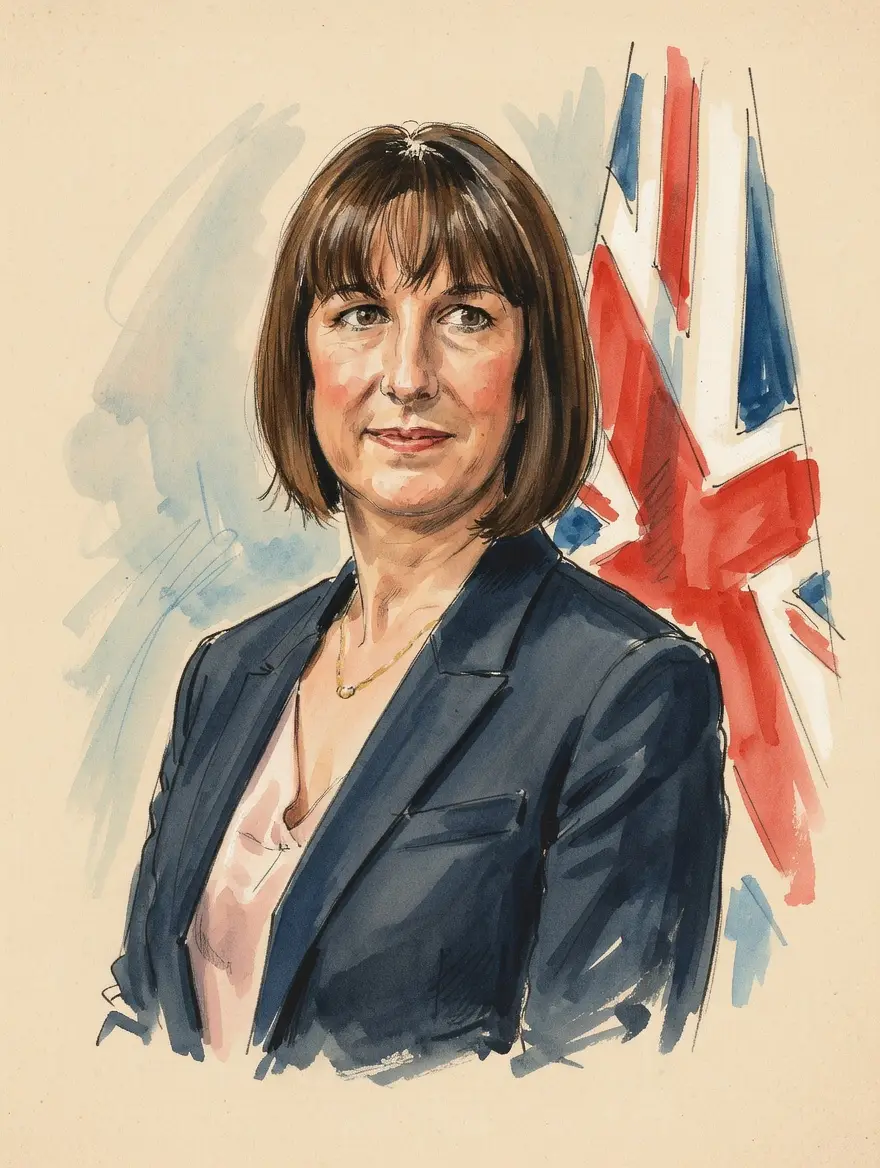
Rachel Reeves on Taxes
TL;DR
Rachel Reeves advocates for fiscal responsibility, rejecting populist tax cuts while making targeted changes to fund public services.
Key Points
She rejected claims in late 2025 that she increased taxes specifically to fund welfare spending.
In early 2026, Britain's tax take surged, which Reeves benefited from, leading to a reported windfall.
She has addressed criticism regarding tax hikes by claiming they are essential for the country's finances.
Summary
Rachel Reeves, as the Shadow Chancellor, has positioned herself as a fiscal pragmatist regarding taxation, emphasizing the need to fund public services through careful budgetary management rather than immediate, broad tax cuts. She has consistently defended decisions that resulted in tax increases, arguing they were necessary responses to the inherited economic situation and for essential investment, while also rejecting criticism that she raised taxes purely to fund welfare. Her approach has involved various tax tweaks, sometimes described as a 'smorgasbord of tax tweaks,' which included both revenue-raising measures and reliefs, demonstrating a willingness to act where necessary to balance the books.
Frequently Asked Questions
Rachel Reeves supports using tax adjustments to ensure fiscal responsibility and fund necessary public services. She has defended past tax increases as necessary, while also rejecting the idea that all tax rises are solely for welfare spending.
Her overall approach appears consistent, emphasizing prudence over populist tax cuts. However, the specific application, such as making a 'smorgasbord of tax tweaks,' suggests an evolving tactical set of responses to economic circumstances.
Rachel Reeves reaped a significant financial windfall for the Treasury as Britain's tax revenue surged around March 2026. This surge provided more room within the budget framework she was managing.
Sources9
Rachel Reeves tax and spending: What to expect from the Spring Statement
Will Rachel Reeves raise taxes? Key questions ahead of Spring Statement
Reeves defends tax hikes and claims Spring Statement is not 'madness'
UK's Reeves rejects criticism that she raised taxes to fund welfare
Reeves Reaps $22 Billion Windfall as Britain's Tax Take Surges
U.K. Budget: Rachel Reeves on Tax and Spending
Why Rachel Reeves chose a smorgasbord of tax tweaks – and the risks involved in that approach
Rachel Reeves's Tax Record and the Spring Statement
Rachel Reeves Spring Statement: Budget predictions and key tax questions
* This is not an exhaustive list of sources.