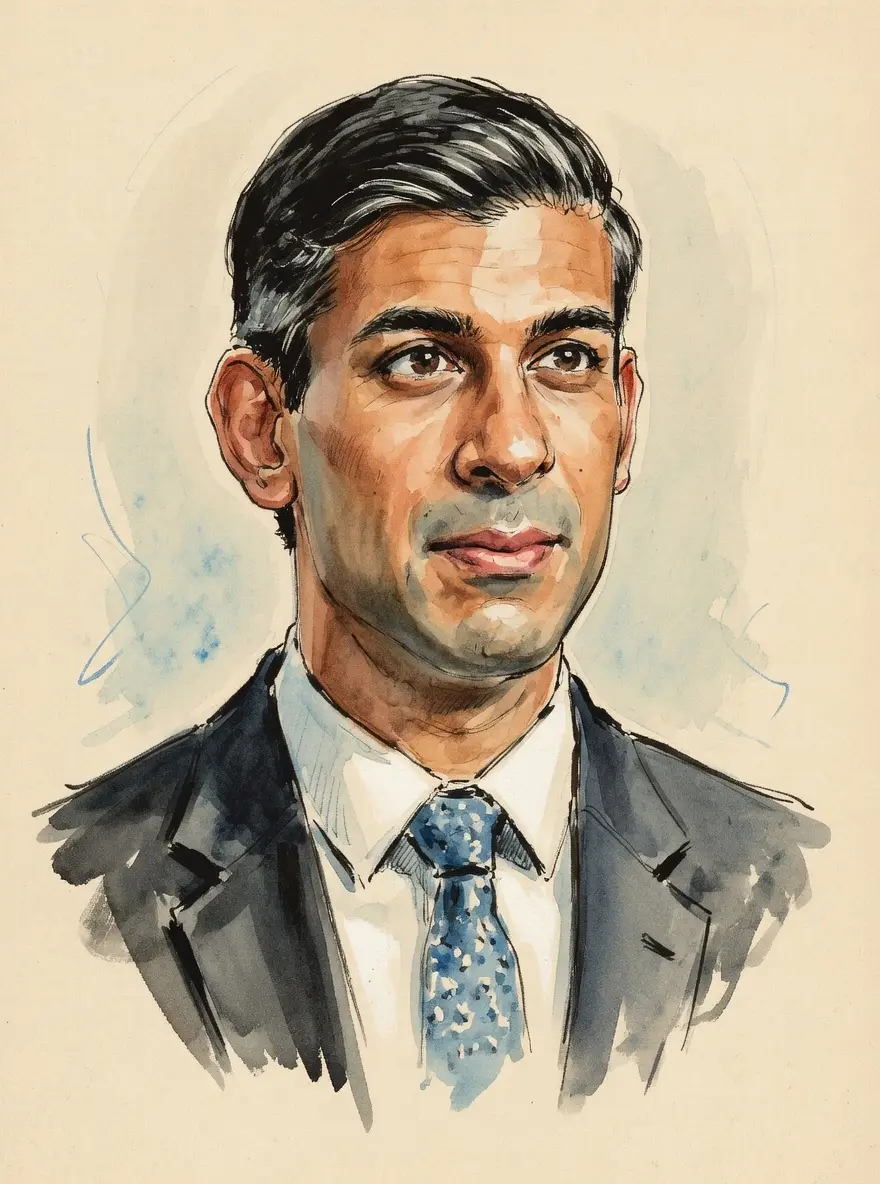
Rishi Sunak on Eat Out To Help Out
TL;DR
Rishi Sunak views the Eat Out To Help Out scheme as a necessary intervention that supported the hospitality sector during the pandemic.
Key Points
The Eat Out To Help Out scheme offered a 50% discount, up to £10 per person, on meals in August 2020.
He introduced the measure as Chancellor to stimulate demand and support the UK's hospitality industry during the pandemic.
The government spent approximately £849m on the scheme before it concluded in August 2020.
Summary
Rishi Sunak, while Chancellor of the Exchequer, introduced the Eat Out To Help Out scheme in 2020 as a core element of the government's COVID-19 economic response to support the struggling hospitality sector. He has defended the policy, which offered a discount on meals and soft drinks in participating establishments, as a vital measure that successfully boosted consumer spending and protected jobs within the industry. The scheme, running in August 2020, was a significant fiscal intervention aimed at kickstarting demand when the economy was severely constrained by public health measures.
Subsequently, he has acknowledged criticisms regarding the scheme’s impact on infection rates, with some experts suggesting it contributed to a rise in COVID-19 cases. Despite these later concerns, he has also reportedly spent millions on focus groups related to the scheme and continues to reference its economic benefits. His overall framing positions the policy as a successful measure for its intended purpose of economic stimulus, even as its broader public health consequences remain subject to debate and review.
Frequently Asked Questions
Rishi Sunak has consistently defended the Eat Out To Help Out scheme, framing it as a highly successful measure introduced during his time as Chancellor to support the hospitality industry's recovery. He views the financial boost it provided to restaurants and pubs as a key achievement of his economic strategy during the COVID-19 crisis.
While he continues to stand by the economic aims, he has acknowledged later criticism regarding the scheme's potential impact on COVID-19 infection rates. The core belief in its stimulus value, however, appears unchanged, despite later scrutiny over its wider public health consequences.
Since leaving the role of Chancellor, Rishi Sunak has been reported to have spent significant funds on focus groups analyzing the scheme's performance and public reception. He generally frames the intervention as a necessary action that provided significant support to businesses when they needed it most.
Sources9
Rishi Sunak: Eat Out to Help Out scheme 'backfired' after pandemic
Rishi Sunak: Eat Out to Help Out scheme backfired in 2020, chancellor suggests
Eat Out to Help Out
Rishi Sunak announces 50% discount for restaurant diners in July
Covid inquiry: Scientific experts told Sunak scheme would increase infections
Will Sunak’s Eat Out To Help Out Scheme Be Enough To Save The Restaurant Sector?
Eat Out to Help Out in numbers: how the scheme worked and its impact
* This is not an exhaustive list of sources.