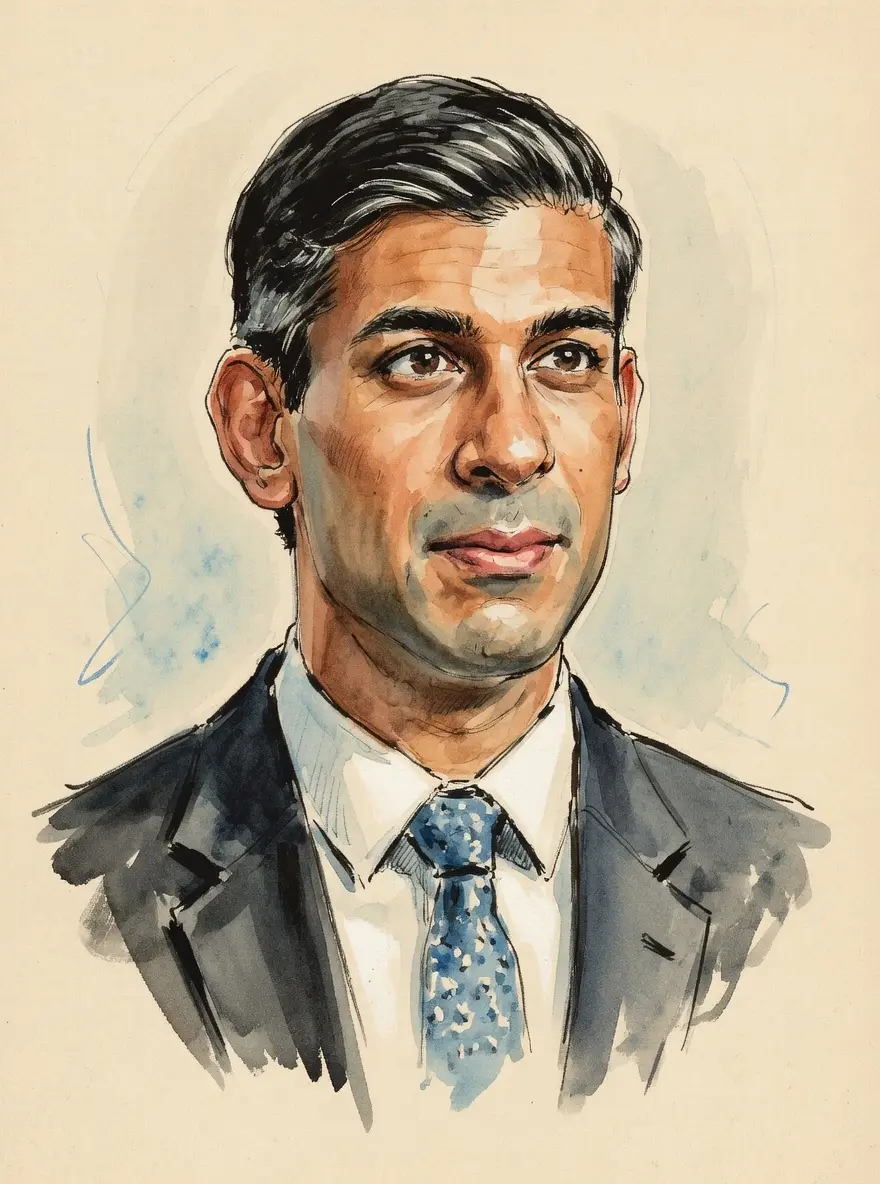
Rishi Sunak on Gender Issues
TL;DR
Rishi Sunak advocates for caution in youth gender care and resists broad reforms to the Gender Recognition Act.
Key Points
He urged extreme caution regarding gender treatments for young people following reports like the Cass Review.
His administration planned a major review of NHS gender identity services in response to concerns about current practices.
He publicly stated that people cannot be any sex they want to be, echoing similar sentiments from a political ally.
Summary
Rishi Sunak has positioned himself strongly regarding issues surrounding transgender care, particularly for minors. He has expressed the need for extreme caution when considering gender treatments for young people, following the publication of critical independent reviews. His administration has indicated plans for a major review of National Health Service gender identity clinics in response to these findings, signalling a clear policy direction of reassessment and restraint in this area. This cautious stance also extends to his opposition against broad legislative changes that would alter self-identification frameworks for gender recognition.
His government has warned political opponents against allowing reforms that could weaken the legal framework surrounding sex and gender, specifically referencing opposition parties' approaches to Scottish legislation. The Prime Minister has publicly mirrored views suggesting that biological sex is an immutable reality, stating people cannot simply choose to be any sex they want, signalling a philosophical underpinning to his policy decisions on gender-related matters.
Frequently Asked Questions
Rishi Sunak's position is characterized by caution, particularly concerning medical transitions for young people, advocating for a thorough review of current services. He has also been firm in resisting legislative changes that would allow self-identification for gender recognition.
The provided sources suggest a consistent application of a cautious approach to gender matters, particularly emphasizing the need for independent clinical review rather than advocating for immediate self-ID reforms. His public statements tend to reflect an existing cautious stance.
The Prime Minister urged extreme caution over gender treatments for children, framing this view in the context of major clinical reviews. He has indicated that services must be rigorously examined before making further policy changes.
Sources6
UK Prime Minister Rishi Sunak has stirred controversy by expressing his views on transgender children
Cass report: PM urges 'extreme caution' on gender treatments as NHS plans major review of clinics
Rishi Sunak: 'People can't be any sex they want to be'
Rishi Sunak warns Labour would allow SNP gender reforms
'People can't be any sex they want to be': UK PM Rishi Sunak mirrors Ramaswamy's views on transgender children
Rishi Sunak facing big backlash over trans conversion therapy ban
* This is not an exhaustive list of sources.