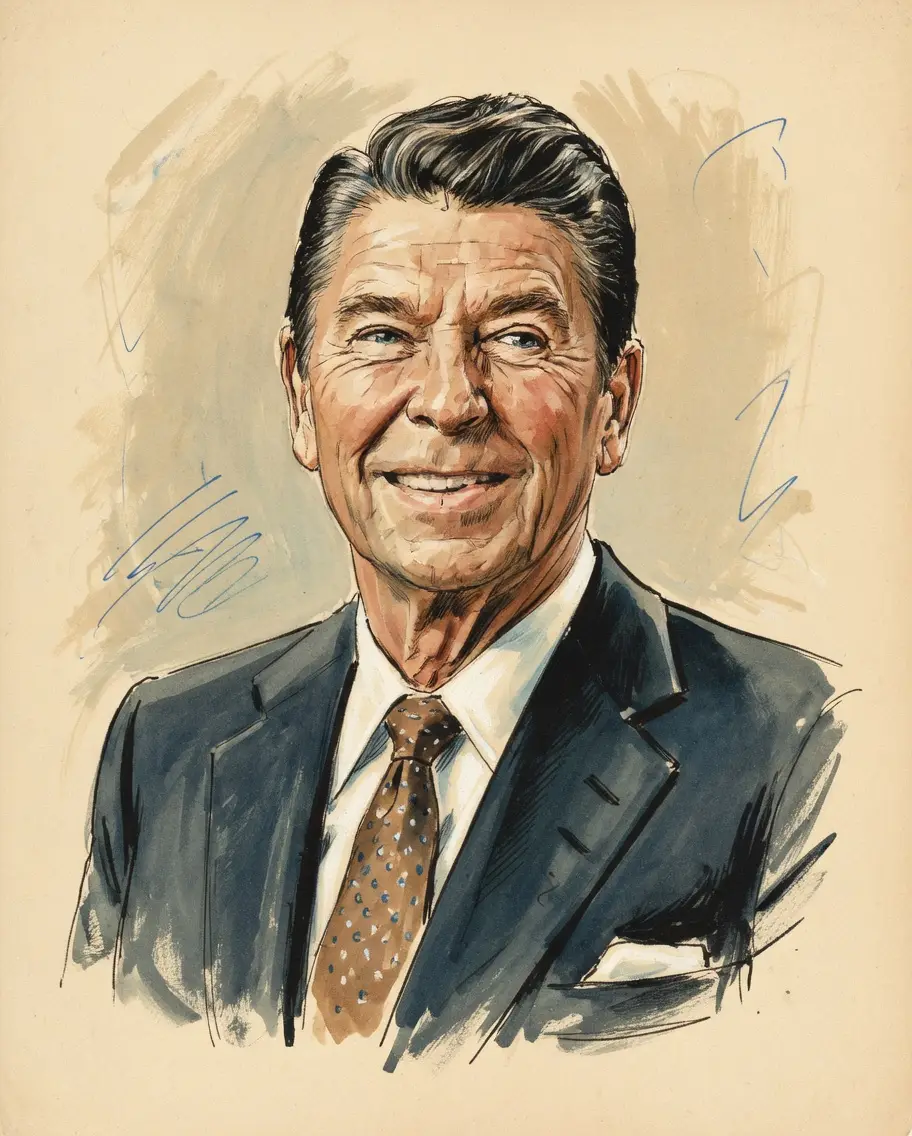
Ronald Reagan on HIV
TL;DR
Ronald Reagan initially offered profound silence and minimal federal funding during the early HIV/AIDS crisis on his watch.
Key Points
The president did not utter the word “AIDS” in a public address until May 31, 1987, five years after the disease was first medically recognized in 1981.
In 1986, he ordered Surgeon General C. Everett Koop to assemble a major report on AIDS, which was released in October 1986 and advocated for comprehensive sex education.
In August 1988, the administration released a 10-point action plan based on the Presidential Commission’s report, including policies like notifying individuals who received blood transfusions since 1977 to get tested.
Summary
Ronald Reagan, the President of the United States from 1981 to 1989, presided over the emergence and initial escalation of the HIV/AIDS epidemic, a response marked by significant public silence and delayed federal action for the first five years. His administration was often criticized for its initial inattention, which many historical accounts attribute to political alignment with a conservative, morally-focused political base that viewed the disease as primarily affecting marginalized groups. The first major public address by the president using the word “AIDS” did not occur until 1987, by which time thousands of Americans had already died from the disease.
The president's stance began to shift following the 1985 diagnosis and subsequent death of his close friend, actor Rock Hudson, which brought the crisis to the forefront of national consciousness. Later actions included ordering a major report from the Surgeon General, C. Everett Koop, in 1986, and creating a Presidential Commission on the HIV Epidemic in 1987. However, even later policy moves, such as the 10-point action plan announced in August 1988, were seen by advocates as too little and too late to adequately address the scale of the mounting public health catastrophe.
Key Quotes
I am now committing the United States of America to support a new worldwide fund with a founding contribution of $200 million.
Frequently Asked Questions
Ronald Reagan's administration was initially characterized by a notable silence regarding the emerging HIV/AIDS crisis during the first five years of his presidency. Critics often pointed to a lack of public leadership and inadequate federal funding during this critical period. The president personally did not mention the word 'AIDS' publicly until 1987.
Yes, the president eventually spoke publicly on the issue, giving his first major address on AIDS on May 31, 1987, at an event for amFAR. This speech followed the death of his friend Rock Hudson and came after significant pressure from activists and public health figures. His later statements often framed the response through a lens of morality consistent with his conservative base.
While Congress often had to push for funding increases against the administration’s initial budgetary resistance, dedicated funding for AIDS research began in 1983. Major increases followed the public acknowledgment of the epidemic, particularly after Rock Hudson's 1985 diagnosis, when Congress approved substantially more funding than the administration requested for 1986.
Sources7
Ronald Reagan and AIDS - Wikipedia
Silence From the Great Communicator: The Early Years of the AIDS Epidemic Under the Reagan Administration
Reagan's Legacy - San Francisco AIDS Foundation
Message to the Congress on the Human Immunodeficiency Virus Epidemic Action Plan
How AIDS Remained an Unspoken—But Deadly—Epidemic for Years
Ronald Reagan Presided Over 89,343 Deaths to AIDS and Did Nothing
A Timeline of HIV and AIDS | HIV.gov
* This is not an exhaustive list of sources.