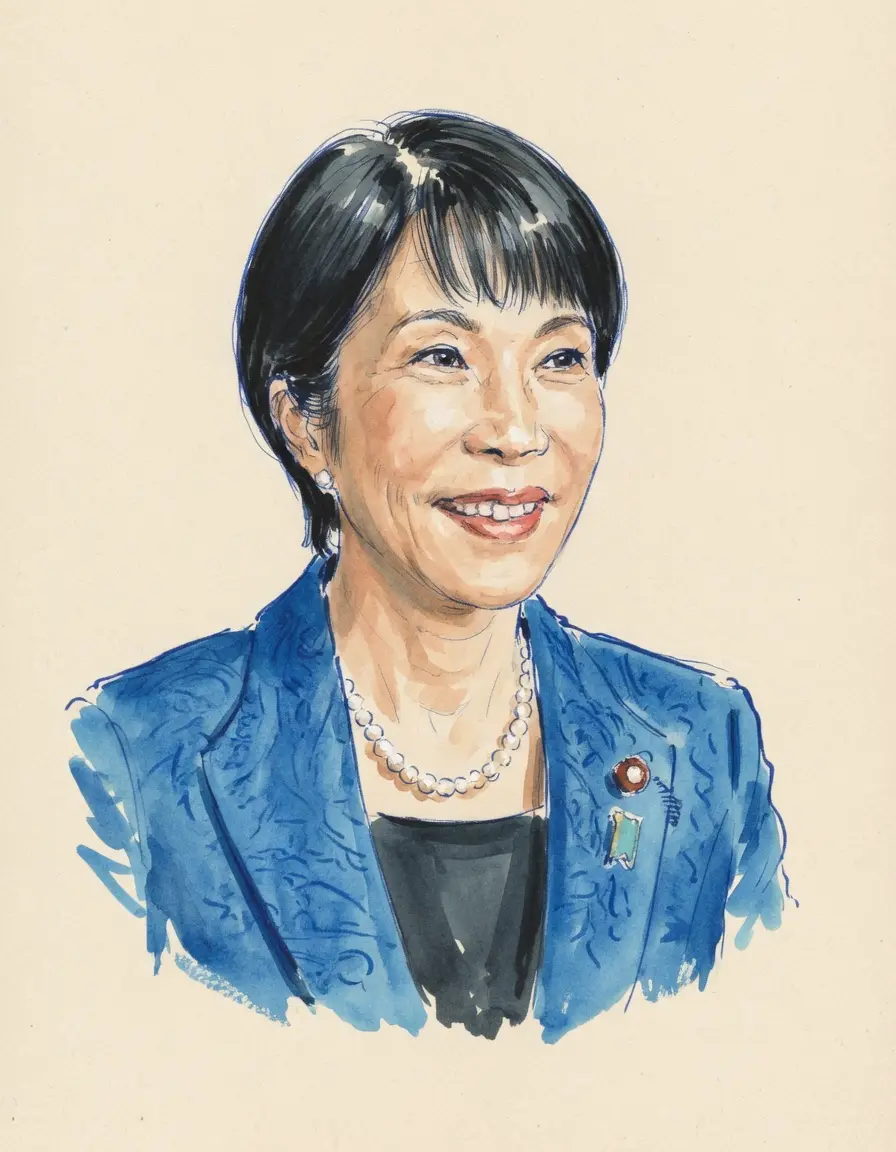
Sanae Takaichi on Climate Change
TL;DR
Sanae Takaichi's administration favors nuclear energy and domestic innovation while continuing reliance on fossil fuels, complicating renewable energy goals.
Key Points
The administration is expected to keep nuclear energy central to its strategy for achieving 100% energy self-sufficiency.
Policies enacted under the Takaichi administration included ending subsidies for megasolar farms over 1 MW and ground-mounted solar over 10 kW as of late 2025.
In 2025, government spending on energy and decarbonization was heavily weighted toward prolonging fossil fuel use, dedicating 38% compared to only 4% for renewables.
Summary
Sanae Takaichi, as Japan's new prime minister, is expected to govern climate action through the "Green Transformation" (GX) strategy, which features a renewed commitment to nuclear energy while prioritizing domestic innovation over imported solar technology. Her administration supports using nuclear power as a central component to achieve energy self-sufficiency and reduce dependence on fossil fuel imports, despite public skepticism rooted in past disasters. This focus often places nuclear and established energy sources ahead of a broader, rapid expansion of renewables in the current policy framework.
Concerns persist regarding the government's continued support for fossil fuels, which reportedly received a significantly larger portion of energy spending in 2025 than renewables, alongside policies that have been criticized for slowing down solar energy growth. While climate change is acknowledged, the political constraints and influence of entrenched interests mean that rapid decarbonization remains challenging. International bodies and activists are urging Takaichi to pivot towards a faster phase-out of fossil fuels and greater investment in renewables to meet international climate commitments, such as the 2030 emissions reduction targets.
Key Quotes
We strongly oppose covering our beautiful country with foreign-made [i.e., Chinese] solar panels
Frequently Asked Questions
Sanae Takaichi's administration is positioning nuclear energy as a cornerstone of its strategy to secure energy independence for Japan. She supports selective renewable technologies but prioritizes nuclear power and domestic innovation, sometimes leading to policies viewed as cautious or unfavorable towards rapid expansion of imported solar technology.
Yes, the Takaichi administration has taken actions criticized as a 'war on solar,' including ending subsidies for most commercial solar projects as of late 2025. Proponents of this action cite concerns over land use and dependence on foreign-made panels, though critics argue this hinders climate goals.
International bodies and civil society organizations have called on the new prime minister to demonstrate authentic climate leadership by shifting away from fossil fuel-based solutions like Carbon Capture and Storage (CCS). There are specific calls for her to support Asia's renewable energy future through the AZEC initiative.
Sources6
Japan PM must support Asia's renewable energy future
Want to fight climate change? Fight 'climate fatigue'
Joint Letter to Prime Minister Sanae Takaichi
Japan: The Politics of Climate Change
As Japan declares snap elections, 350.org calls for progress ...
Takaichi's Trump-Like War On Solar Will Kneecap The Economy
* This is not an exhaustive list of sources.