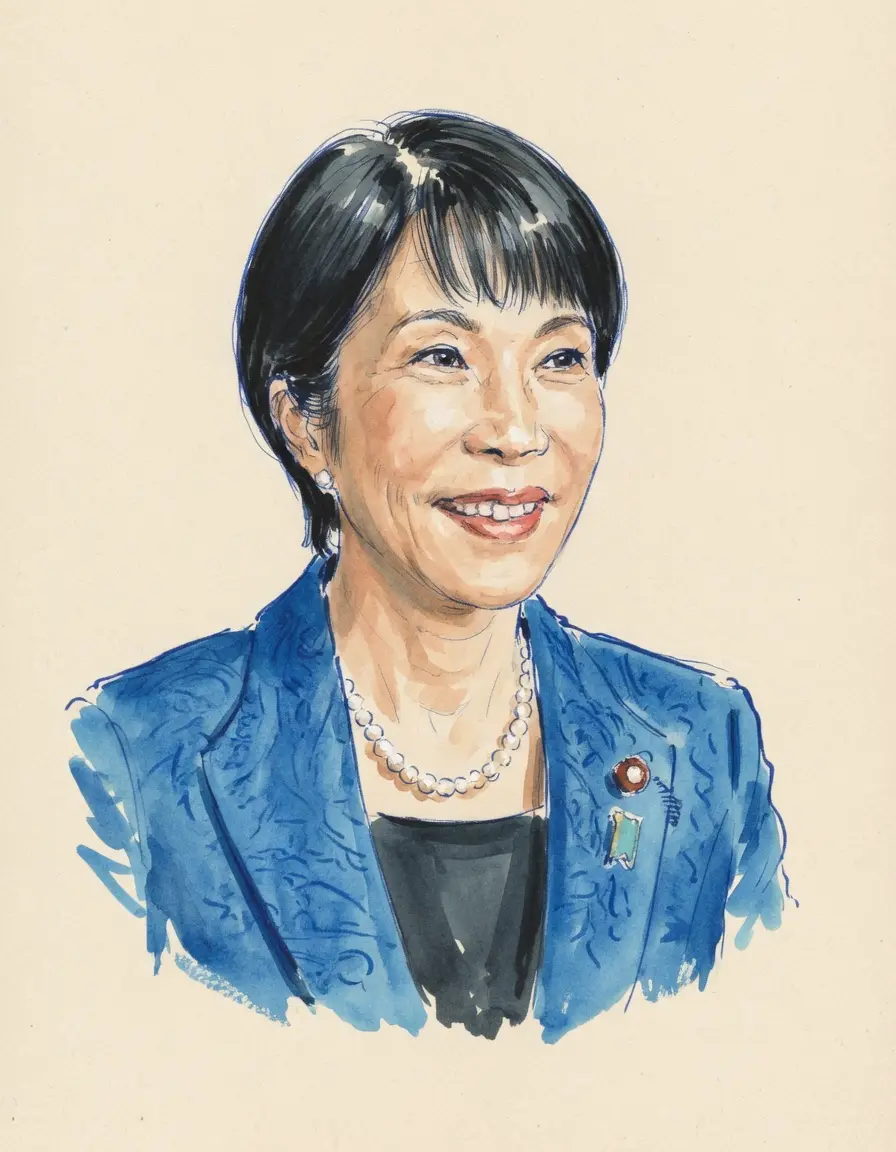
Sanae Takaichi on Yasukuni Shrine
TL;DR
Sanae Takaichi's visits and statements regarding Yasukuni Shrine have generated significant international concern and diplomatic attention.
Key Points
Her potential visits to Yasukuni Shrine have been a source of diplomatic concern for China and South Korea.
Following her election or an appointment, there was focus on whether she would make a controversial visit.
Sanae Takaichi was reported to have skipped a visit to the shrine on a particular occasion in October 2025.
Summary
Sanae Takaichi's position on Yasukuni Shrine is characterized by her actions surrounding visits, which have drawn sharp criticism from neighboring countries like China and South Korea. Following her election or ascension within the government, her potential or actual visits became a focal point for regional diplomatic tension, as the shrine honors convicted war criminals alongside other war dead. The focus has often been on whether she will make an official visit, a move typically seen as highly provocative by nations that suffered under Japan's wartime aggression.
While some reports indicated hope that Takaichi might avoid a visit amid political tussles, her history suggests a willingness to engage with sites viewed as sensitive. The implications of her stance are significant for Japan's foreign relations, particularly with Seoul and Beijing, where such acts are interpreted as a lack of remorse for past militarism. Her approach to the issue thus becomes a barometer for the broader government's historical perspective in East Asia.
Frequently Asked Questions
Sanae Takaichi's position is best understood through her actions regarding potential visits to the Yasukuni Shrine. These potential visits have historically caused significant diplomatic friction with neighboring Asian nations. Her approach often places her at the center of debates regarding Japan's wartime history.
The provided information suggests that her actions concerning the shrine are subject to political context and diplomatic maneuvering rather than a clearly defined, evolving ideological stance. While there was hope she would avoid a visit in one instance, her history indicates a complex engagement with the issue.
When facing criticism over the shrine issue, the focus has often been on whether she would visit or abstain, rather than detailed public statements defending a specific policy. Neighboring countries like China have warned against historical amnesia when addressing her potential actions.
Sources6
Kyodo News - No specific title found, inferring from context
Yasukuni Shrine Returns to Spotlight as Takaichi Government Takes Off
'Amnesia of history means betrayal,' China tells Japan's Takaichi over war-linked shrine
Japan PM hopeful Takaichi avoids WWII shrine visit amid political tussle
Takaichi's possible Yasukuni Shrine visit raises concerns in ROK
Sanae Takaichi skips Yasukuni visit
* This is not an exhaustive list of sources.