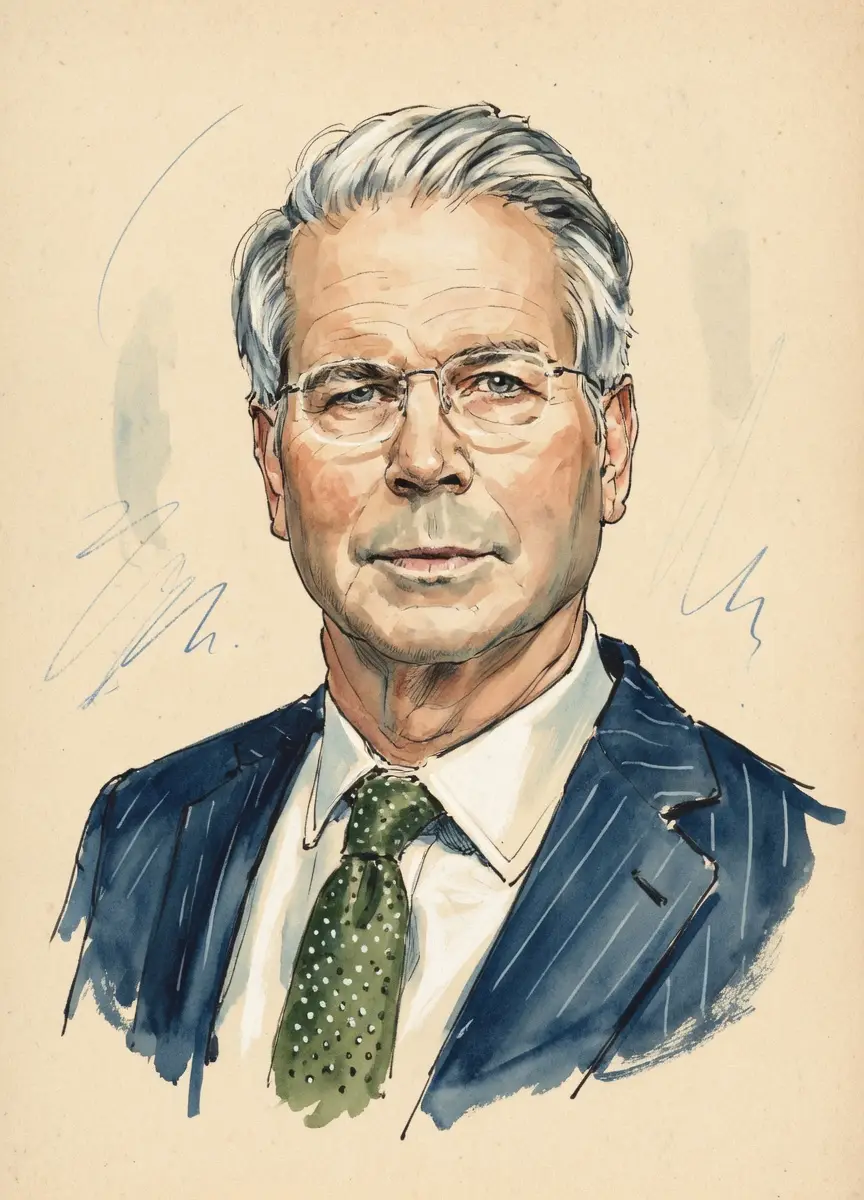
Scott Bessent on China
TL;DR
Scott Bessent approaches China with a focus on national economic security, scrutinizing trade, investment, and energy dependencies.
Key Points
The US administration reportedly considers asking China to buy less oil from Russia and Iran in 2026.
There is a call to scrutinize expanded Chinese investment in the US, viewing it as rewarding companies that have harmed American workers.
A lawmaker urged Bessent to review and scrutinize US access for Chinese-made cars.
Summary
Scott Bessent, as a prospective economic advisor, is positioned to take a hard line on economic engagement with China, prioritizing American interests and security. His perspective often centers on countering China's global economic influence by re-evaluating established trade and investment relationships. Evidence of this stance appears in discussions about reducing US reliance on Chinese supply chains and critically assessing new investment flows, such as those from Chinese automakers into the US market. Furthermore, there is focus on leveraging diplomatic and economic pressure regarding China’s energy dealings with other nations, such as urging reductions in its purchases of Russian and Iranian oil.
This strategic approach suggests an intention to implement policy that fosters domestic economic resilience while actively challenging Beijing's geopolitical and commercial expansion. The context involves broader governmental discussions about energy security and trade balances, where Bessent's input is expected to push for policies that explicitly safeguard American workers and industries from perceived unfair competition or strategic risk posed by the People's Republic of China. This stance aligns with a broader political movement advocating for a more adversarial, yet transactional, relationship with China.
Key Quotes
We are fundamentally resetting the framework in which the United States participates in the global economy, recognizing that economic security above all else is the foundation of sovereignty and thus the guarantor of prosperity.
Frequently Asked Questions
Scott Bessent's stance on China appears rooted in economic security and competition. He is positioned to advocate for policies that scrutinize foreign investment and challenge Chinese economic influence on the global stage. His approach emphasizes protecting American workers and industries from perceived international competition.
Associated economic discussions involve the US seeking to influence China's energy purchases, specifically asking them to reduce oil imports from Russia and Iran. Furthermore, there is an emphasis on reviewing the impact of Chinese investment, such as that from their auto manufacturers, on the domestic US market.
While the provided context does not use the term 'hawkish,' the focus on scrutinizing investment and altering China's energy trade patterns suggests a firm, security-oriented economic position. This perspective prioritizes mitigating strategic risks associated with the People's Republic of China's global commerce.
Sources6
U.S. Has a Big Ask for China: Buy Less Oil From Russia, More From America
US weighs asking China to curb Russian, Iranian oil purchases
Moolenaar: Expanding Chinese Investment in US Would Reward Chinese Companies That Have Hurt American Workers
Lawmaker Urges Bessent to Scrutinize US Access for Chinese Cars
U.S. seeking China buy less Russian, Iranian oil, WSJ reports
US Has a Big Ask for China: Buy Less Oil From Russia, More From America
* This is not an exhaustive list of sources.