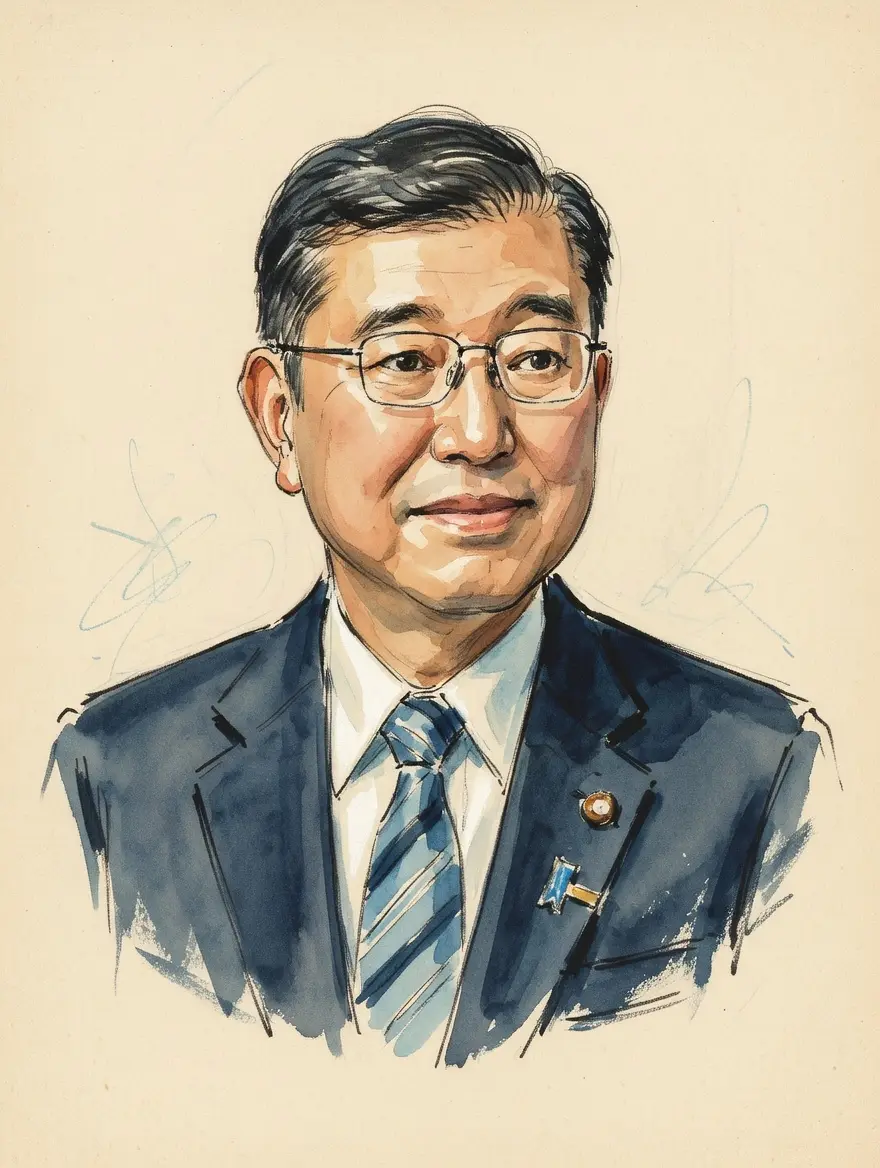
Shigeru Ishiba on Economic Policy
TL;DR
Shigeru Ishiba inherited and largely aligned with the previous administration's growth-oriented economic framework, balancing it with fiscal consolidation leanings.
Key Points
He aimed to solidify a 'good cycle of growth and distribution' with targets for real wage increases, despite inflation outpacing raises during his term.
His administration prioritized responses to US tariffs, securing a deal by July 2025 to lower the rate on Japanese automobiles to 15%.
He rejected calls, including from opposition parties, for a temporary consumption tax cut ahead of the July 2025 upper house election by citing fiscal risk.
Summary
Shigeru Ishiba's core economic policy position, particularly upon assuming leadership, involved signaling an initial alignment with the outgoing administration's focus on escaping deflation and prioritizing economic growth over immediate fiscal discipline, marking a departure from his historically more hawkish stance on consolidation. His forthcoming stimulus package was expected to center on fighting inflation, promoting regional revitalization, enacting labor market reform, and encouraging corporate investment, largely mirroring prior economic measures. This pragmatic inheritance of policy direction suggests a cautious approach given the prevailing political climate.
This trajectory is contextualized by significant political pressure following electoral defeats, which limited his capacity for bold, proactive economic vision during the campaign, leaving him to focus on more piecemeal measures to combat rising living costs. While he has emphasized regional revitalization, his emphasis on strengthening social safety nets suggests a focus on distribution alongside growth. Furthermore, the possibility of raising corporate taxes exists, which aligns with groundwork laid by his predecessor and the leanings of the party’s tax panel, potentially signaling a future direction for fiscal soundness.
Key Quotes
“The good cycle of growth and distribution has begun to take hold,”
Frequently Asked Questions
Shigeru Ishiba's focus has been on inheriting and implementing a policy framework centered on achieving economic growth and escaping deflation. He has also placed significant emphasis on regional revitalization as a core component of his agenda. However, his administration has struggled with inflation outpacing wage growth, which has been a primary concern for households.
Although Shigeru Ishiba historically advocated for fiscal consolidation, his campaign rhetoric shifted to prioritize economic growth, aligning with the preceding administration. While he personally leans toward fiscal prudence, the need to implement stimulus packages ahead of elections made significant, immediate cuts unlikely during his tenure.
Ishiba's administration saw nominal GDP top ¥600 trillion and capital investment reach a record high, leading him to claim a 'good cycle' had begun. However, many analysts and businesses noted that real economic improvement for people lagged due to inflation, and his growth strategy, Regional Revitalization 2.0, failed to leave a notable mark.
Sources7
What Awaits Japan's Next Prime Minister | Carnegie Endowment for International Peace
Policy Brief - hhs.se - Stockholm School of Economics
Ishiba cries wolf on government debt as election gambit | East Asia Forum
Why Is Support for Ishiba Administration Rising Despite Crushing Defeat in the July National Election? | Toda Peace Institute
Ishiba to leave office with a mixed record on the economy - The Japan Times
Ishiba's Economic Agenda: A Departure from Kishida's "Growth First" Approach? | Dai-ichi Life Research Institute Inc.
Japan's shock election defeat for the LDP, but policy shift unlikely | Oxford Economics
* This is not an exhaustive list of sources.