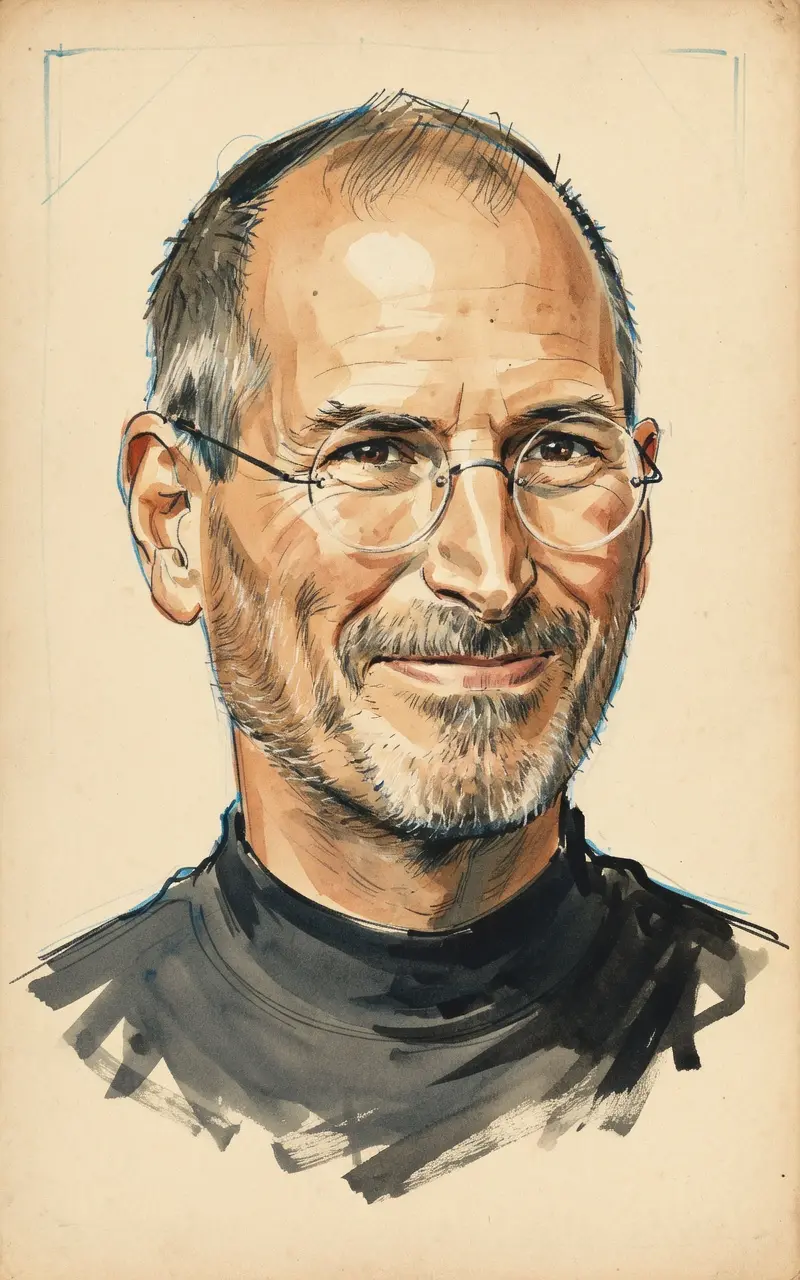
Steve Jobs on Leadership
TL;DR
Steve Jobs believed true leadership centered on articulating a common, compelling vision to attract and trust self-managing, excellent people.
Key Points
The most important job of a CEO is recruiting people who are self-managing and aligned with a common vision.
He believed innovation is what separates a leader from a follower, requiring a departure from the status quo.
His job was not to be easy on people, but to make them better by demanding excellence without exception.
Summary
Steve Jobs held a strong position that the most important job of a leader, particularly a CEO, was establishing and articulating a common vision that inspired the organization. He emphasized that the greatest individuals are self-managing and require direction through a shared purpose rather than constant oversight. This vision must be clearly communicated to secure consensus among the team, allowing exceptional people to figure out how to execute autonomously. Consequently, he considered recruiting 'insanely great' people—those who are self-policing and passionately committed—to be the primary responsibility of leadership, even over day-to-day management tasks. His philosophy dictated hiring smart people so they could advise the leadership, not be told what to do.
This leadership approach required maintaining high standards, as he believed breakthrough results necessitated breakthrough thinking and refusing conventional limitations. His methods demanded an obsession with excellence in every detail, from internal components to the complete customer experience, which required owning the entire process. While he possessed a reputation for intensity, his evolving style demonstrated a capacity to learn from setbacks, balancing perfectionism with a learned trust in his core team's expertise once the vision was set.
Key Quotes
“Innovation distinguishes between a leader and a follower.”
Frequently Asked Questions
Steve Jobs's primary leadership philosophy centered on setting a clear, common vision that employees could articulate and rally behind. He believed the leader's main task was defining this destination and recruiting talented individuals who could then manage themselves to achieve it.
No, he believed that hiring smart, exceptional people meant they should not be constantly managed; rather, they needed freedom to use their expertise to realize the shared vision. His view was to hire A-Players and trust their expertise within defined outcomes.
He saw failure as a necessary component of innovation, stating that mistakes must be admitted quickly so the organization can improve its other innovations. His own career exemplified a capacity to learn from past setbacks and adapt his leadership style upon his return to Apple.