
TL;DR
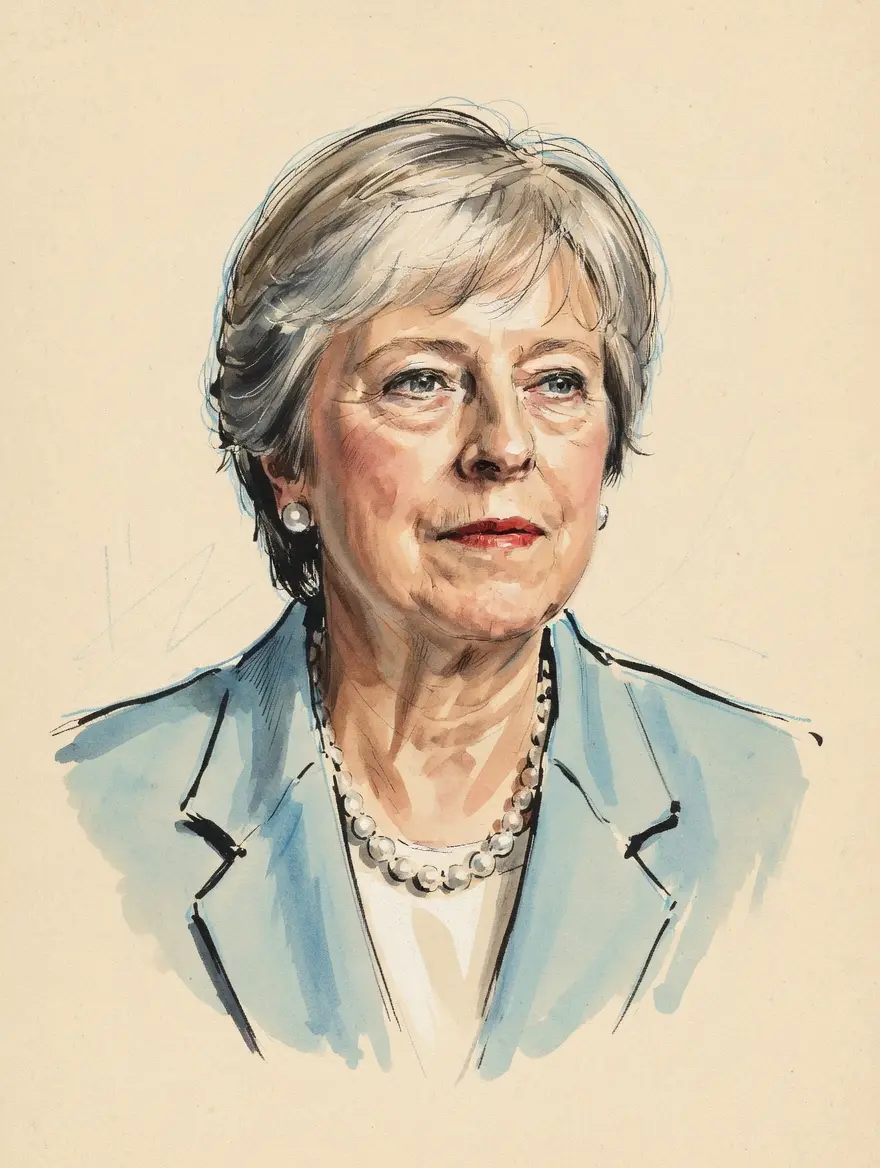
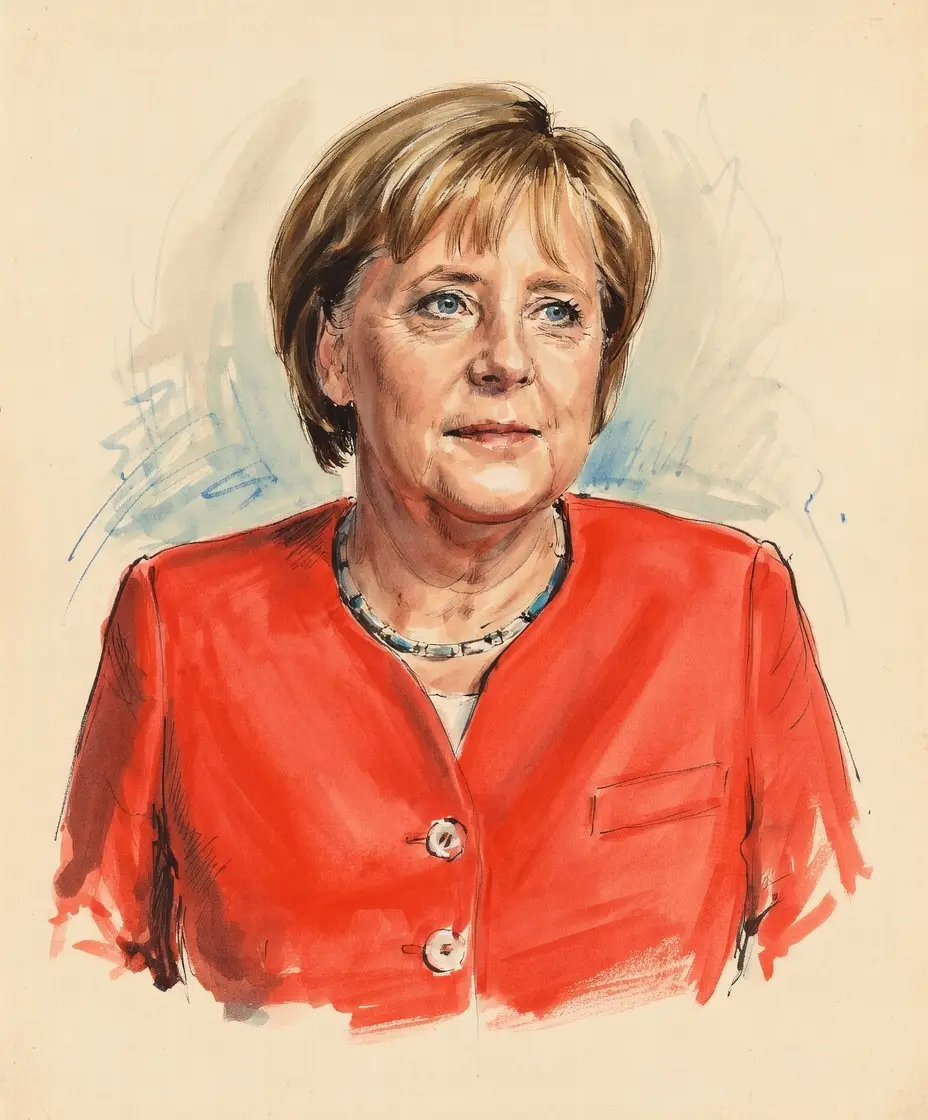
Theresa May sought a working relationship with Angela Merkel while navigating Brexit negotiations where Merkel maintained a firm EU stance.
Key Points
She promised Chancellor Angela Merkel that the exit treaty would enshrine the rights of EU nationals in the UK as of September 2017.
The Prime Minister met with the Chancellor in Berlin on 9 April 2019 to discuss the UK's request for an extension of Article 50 to June 30th.
May expressed relief after an initial audience, stating they were two women who just wanted to get on with the job.
Summary
Theresa May's position towards Angela Merkel, particularly during the Brexit process, was characterized by a pragmatic need for a working relationship with the German Chancellor. Early in her premiership, May expressed reassurance after meeting Merkel, suggesting a desire to establish common ground, notably by promising Merkel that any withdrawal agreement would enshrine the rights of EU nationals in the UK. However, analyses suggested that May misread Merkel's diplomatic charm, viewing it as a sign of flexibility when the Chancellor was in fact maintaining a firm stance rooted in protecting the integrity of the EU-27 bloc.
Despite the underlying tension concerning Brexit, the two leaders engaged in high-level meetings, such as a working lunch in Berlin in April 2019, where they discussed the UK's request for an extension to Article 50 and agreed on the importance of an orderly withdrawal. This necessity for cooperation meant May had to navigate Merkel’s known tendency to analyze complex issues thoroughly before acting, a trait even dubbed 'to Merkel' by some, contrasting with the perceived absence of a clear strategy from the UK side.
Frequently Asked Questions
Theresa May's core position was one of pragmatic engagement with Angela Merkel, particularly as a necessary counterpart during the complex Brexit negotiations. She sought to establish a working relationship with the German Chancellor to secure a favorable departure deal for the UK. However, there was an analytical gap, with some suggesting May misinterpreted Merkel's demeanor.
The relationship was marked by diplomatic necessity rather than deep personal alignment. While May expressed initial relief and sought common ground, it was also observed that Merkel maintained a firm, uncompromising negotiating line consistent with EU objectives. Their interactions included formal meetings to discuss critical Brexit timelines.
The Prime Minister promised the German Chancellor that any eventual exit treaty would enshrine the rights of EU nationals already living in the UK. This commitment aimed to provide reassurance on a key point of contention between the UK and the EU bloc she represented.
Sources4
Why Theresa May should beware Angela Merkel's honeyed words | Matt Qvortrup | The Guardian
PM meeting with Chancellor Angela Merkel: 9 April 2019 - GOV.UK
How Theresa May Misreads Angela Merkel – Analysis by Philip Stephens
Theresa May promises Angela Merkel she'll enshrine EU citizen's rights
* This is not an exhaustive list of sources.