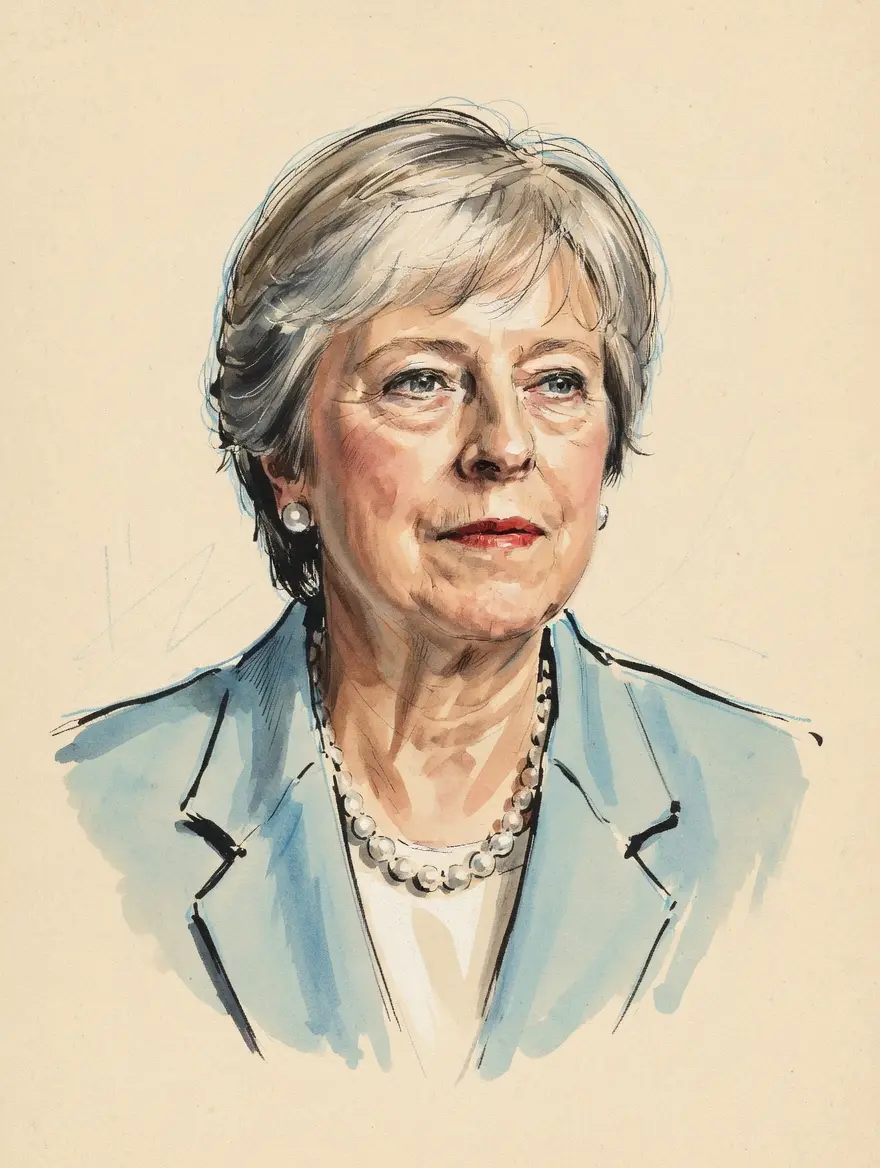
Theresa May on Economy
TL;DR
Theresa May aimed for an inclusive economy, prioritising social justice for the 'just about managing' over the privileged few.
Key Points
She announced a Modern Industrial Strategy to shape a stronger and fairer economy, focusing on investment in infrastructure and skills.
Her government oversaw a jobs boom, with unemployment reaching its lowest rate since the mid-1970s during her tenure.
Theresa May pledged to fight "burning injustice" and explicitly stated her government would prioritise taxes for the wealthy less than others.
Summary
Theresa May entered office in July 2016 pledging an economic approach rooted in one-nation conservatism, explicitly aiming to combat "burning injustice" and govern for the "just about managing" families, not just the privileged few. Her initial rhetoric suggested a shift away from the free-market fundamentalism of her predecessor, focusing on prioritizing the needs of ordinary working-class families regarding taxation and opportunity. She followed this up with pledges to address corporate governance, such as making shareholder votes on executive pay binding, and proposing worker representation on company boards, although this latter point was later softened.
However, the overarching context of her premiership was dominated by the need to navigate the UK's withdrawal from the European Union, which ultimately overshadowed most domestic economic policy aims. While her tenure saw record-low unemployment and continued business investment in some sectors, the persistent uncertainty surrounding Brexit delayed longer-term capital investment and dampened wage settlements. Supporters credit her administration with maintaining business confidence despite the political turbulence, citing improvements in business rankings, while critics noted that austerity measures continued to impact public services and living standards for the poorest families throughout her term.
Frequently Asked Questions
Theresa May's main stated economic focus was on addressing "burning injustice" and ensuring the economy worked for everyone, particularly the "just about managing" demographic. This was outlined in her initial statements upon becoming Prime Minister in July 2016. However, her time in office was overwhelmingly consumed by negotiating and delivering the UK's withdrawal from the European Union.
Theresa May announced that the era of austerity was over, pledging to increase spending alongside reducing debt in October 2018. Critics, however, argued this promise was empty, projecting that effective cuts to key public service departments would continue for several years after that date without a drastic policy change.
The economic legacy of Theresa May is widely viewed as being dominated by the fallout and uncertainty of the Brexit process. While employment rates remained high, the protracted nature of the negotiations reportedly delayed longer-term business investment and kept wage growth slow.
Sources6
Theresa May steps down leaving an economy that is treading water
Theresa May's Davos address in full
Statement from the new Prime Minister Theresa May - GOV.UK
Theresa May's promise to end austerity is empty
The Impressive Record of Theresa May - Quillette
Theresa May - Wikipedia
* This is not an exhaustive list of sources.