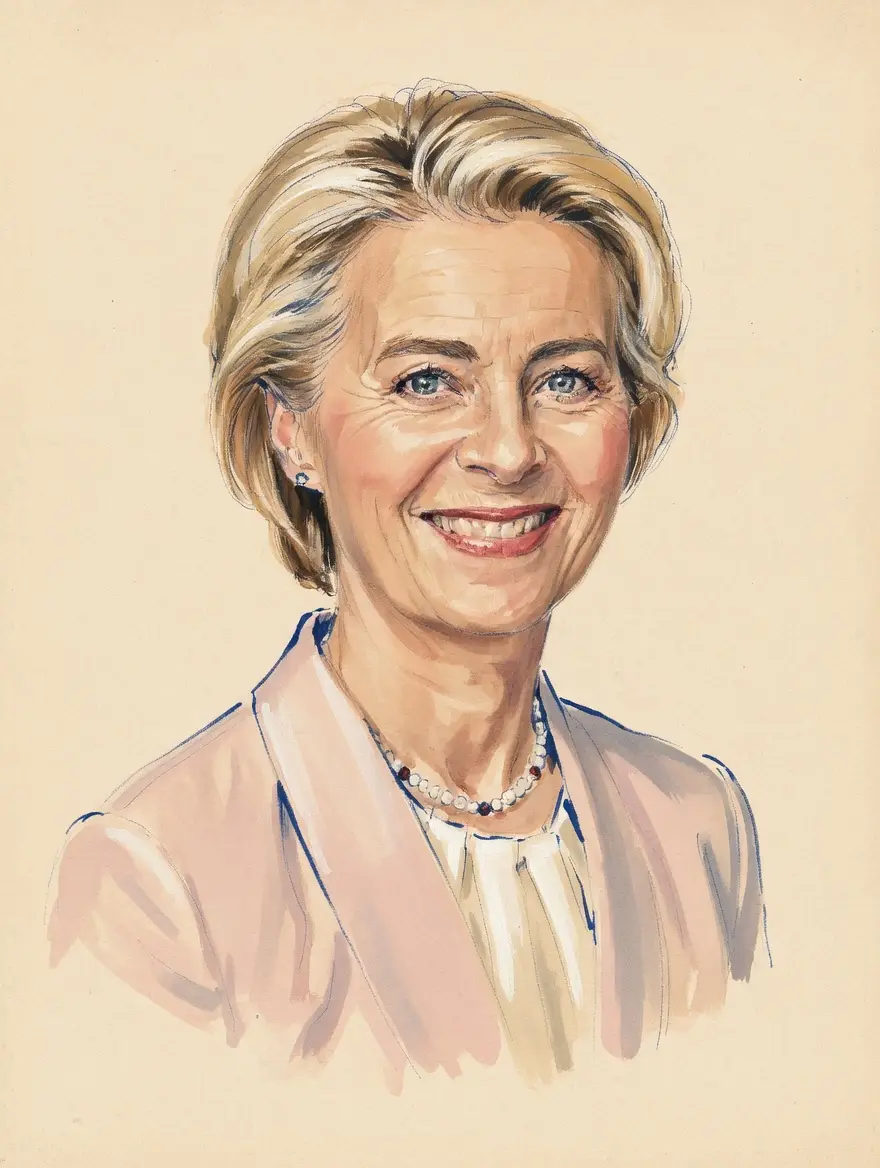
Ursula von der Leyen on Censorship
TL;DR
Ursula von der Leyen strongly supports EU regulation of digital content to combat disinformation while navigating US disputes over free speech.
Key Points
The Commission under her leadership introduced the Digital Services Act to regulate online platforms' content moderation responsibilities.
Her administration has been engaged in policy disputes with the US regarding the balance between free speech principles and EU content regulation efforts.
The Commission has faced claims of unilaterally banning independent media, which were reported in an EU vs. Disinfo report in 2023.
Summary
Ursula von der Leyen, as President of the European Commission, has strongly supported the development and implementation of regulations aimed at controlling harmful online content, often framing these measures as necessary for digital sovereignty and protecting democracy from disinformation. This stance is most evidently codified in major legislative efforts such as the Digital Services Act (DSA), which imposes obligations on online platforms regarding content moderation and transparency. While proponents view these actions as vital safeguards against illegal and harmful speech, critics argue that such regulatory frameworks risk infringing upon free expression, sometimes leading to disputes, particularly with American entities and policymakers concerned about overreach.
Her administration's actions and stated goals imply a position that prioritizes societal protection and EU autonomy over an absolutist interpretation of free speech, a view that contrasts with some non-EU actors who perceive the push for digital governance as censorship. The Commission, under her leadership, has actively pushed for measures that require platforms to swiftly remove illegal content, indicating a clear policy preference for curated digital spaces over largely unmoderated ones. This effort to shape the digital sphere through legislative power highlights a commitment to establishing European standards for online speech governance.
Key Quotes
The President of the European Commission Ursula von der Leyen's unilateral decision to stop RT France and Sputnik from broadcasting on the grounds that they are an instrument propaganda for the Kremlin is unprecedented in its brutality.
Frequently Asked Questions
Ursula von der Leyen advocates for strong European regulation of online content through legislation like the DSA to combat disinformation and protect democracy. She supports content moderation requirements for large online platforms. Her position is generally framed as protecting citizens rather than engaging in censorship, though this is debated internationally.
The European Commission, led by von der Leyen, pursues a comprehensive regulatory approach to content moderation, primarily through the Digital Services Act. This legislation aims to ensure large online platforms take down illegal content swiftly. This proactive stance is part of a broader goal for greater digital sovereignty.
Yes, the Commission president has faced criticism and disputes, particularly from US observers, who view the EU's regulatory push as a threat to free speech principles. This tension highlights the difference between the EU's safety-focused digital governance and more laissez-faire approaches.
Sources9
The EU's Road to Censorship — The Democracy Shield
Von der Leyen comes out fighting in no-confidence debate
Christiane Amanpour
Why the US-EU dispute over 'free speech' is set to escalate
EU Parliament Committee Confronts US Visa Bans Over ...
Freedom of speech as a virus, and censorship as a vaccine ...
U.S. bans visas for ex-EU commissioner over alleged ...
European Commission President Ursula von der Leyen ...
Disinfo: Ursula von der Leyen unilaterally banned ...
* This is not an exhaustive list of sources.