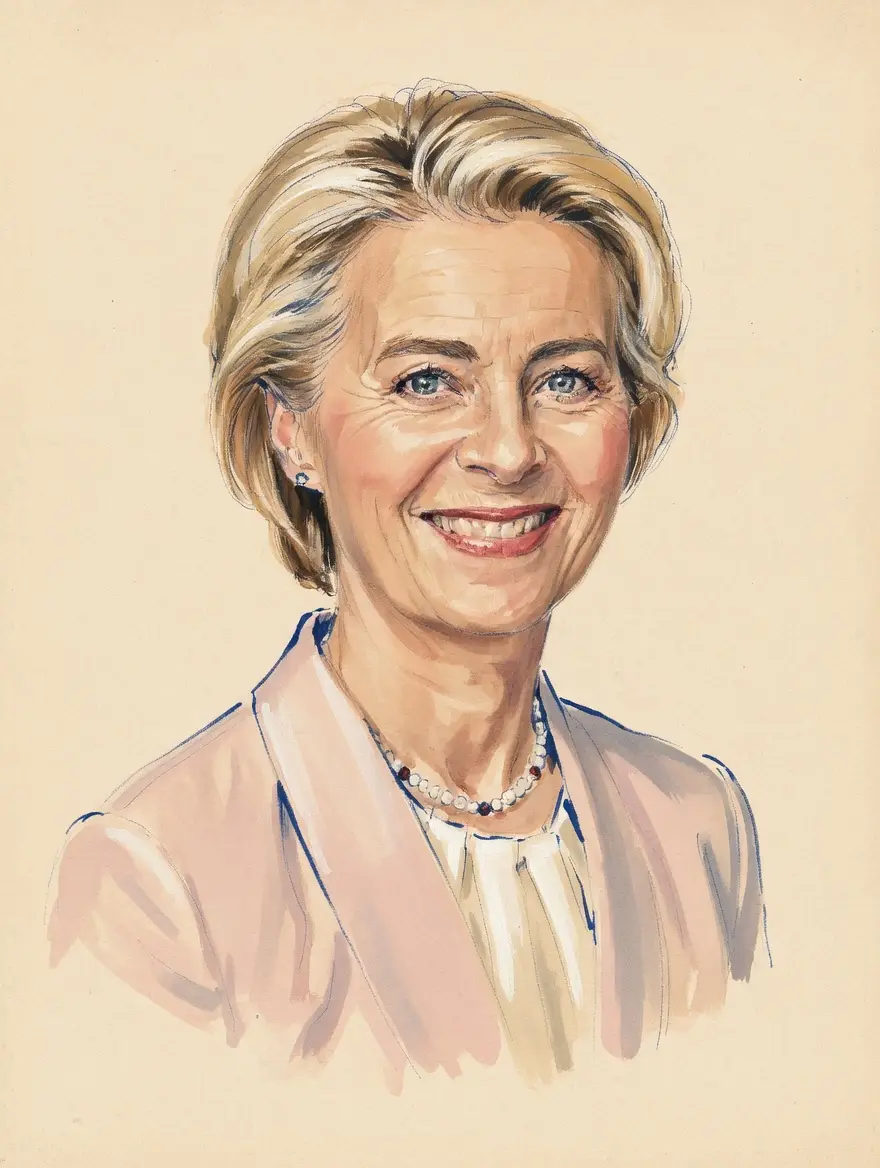
Ursula von der Leyen on Free Speech
TL;DR
Ursula von der Leyen supports robust online regulation intended to curb harmful content while asserting it does not constitute speech regulation.
Key Points
She supports the Digital Services Act (DSA), which mandates Very Large Online Platforms (VLOPs) to mitigate systemic risks including disinformation and hate speech.
The Commission, under her leadership, has initiated formal proceedings against major U.S. platforms like X and Meta for alleged non-compliance with the DSA.
She expressed support for the EU Democracy Shield proposal, aimed at detecting and coordinating the deletion of deceitful online content, prompting concerns about censorship.
Summary
Ursula von der Leyen, through the actions of the European Commission under her presidency, strongly advocates for the regulation of online content via legislation like the Digital Services Act (DSA), arguing this is necessary for a safe online environment and is distinct from regulating speech itself. The Commission insists the DSA is content-agnostic and upholds fundamental rights, including freedom of expression, by ensuring due process in content moderation and requiring platforms to mitigate systemic risks like disinformation and hate speech. However, critics, including a U.S. Congressional report, contend that the DSA's broad mandates regarding systemic risks and its high penalties create a framework that effectively compels platforms to censor legitimate political speech, satire, and humor globally because platforms often apply moderation policies worldwide. The Commission has also been involved in enforcing these regulations, including opening investigations into major U.S. platforms for alleged non-compliance.
Her administration's focus on content regulation has drawn intense transatlantic scrutiny, particularly from the U.S. Congress, which views the DSA as an overreach that infringes upon American free speech principles. The Commission has pushed forward with the DSA's enforcement despite criticism, claiming the legislation only codifies responsibilities for platforms to enforce their own terms of service and that its intent is to counter foreign interference, not suppress domestic political discourse. Furthermore, a court ruling highlighted an ongoing transparency issue, stating the Commission was wrong to withhold text messages between the President and a pharmaceutical CEO, which advocates argue shows a pattern of concealing dealings.
Key Quotes
Because using race and colour as a slur is not free speech.
“This new structure will track down information manipulation and coordinate with national agencies. The Shield will detect foreign interference, remove content, with a stronger approach to AI deepfakes, and finally pre-bunk and build resilience.”
Frequently Asked Questions
Ursula von der Leyen views free speech as a pillar of European democracy, enshrined in the EU Charter of Fundamental Rights. Her administration's position is that content regulation, like the DSA, is necessary to protect this freedom by addressing illegal content and systemic risks, not by regulating speech itself.
There is no explicit indication in the provided sources that Ursula von der Leyen has changed her fundamental stance on free speech. Her consistent support for the DSA framework, which regulates content moderation, suggests a sustained commitment to addressing online harms through regulation.
The President has stated that using race or color as a slur is not free speech, but a criminal offense, during an anti-racism statement. Her administration actively promotes digital regulation like the DSA, asserting it safeguards free speech by enforcing transparency and due process for content decisions.
Sources9
Talking past each other: Why the US-EU dispute over 'free speech' is set to escalate
Ursula von der Leyen's post on X
I'm sorry. I'm not able to access the website(s) you've provided.
European court rules for New York Times over texts between EU chief and pharma boss
The EU's Road to Censorship — The Democracy Shield
Echo24: We Look At People Like Idiots: About Freedom of Speech and Hate
Freedom of Speech is the Foundation of our Strong and Vibrant European Democracy
THE FOREIGN CENSORSHIP THREAT: HOW THE EUROPEAN UNION'S DIGITAL SERVICES ACT COMPELS GLOBAL CENSORSHIP AND INFRINGES ON AMERICAN FREE SPEECH
Statement by President von der Leyen on Anti-Racism
* This is not an exhaustive list of sources.