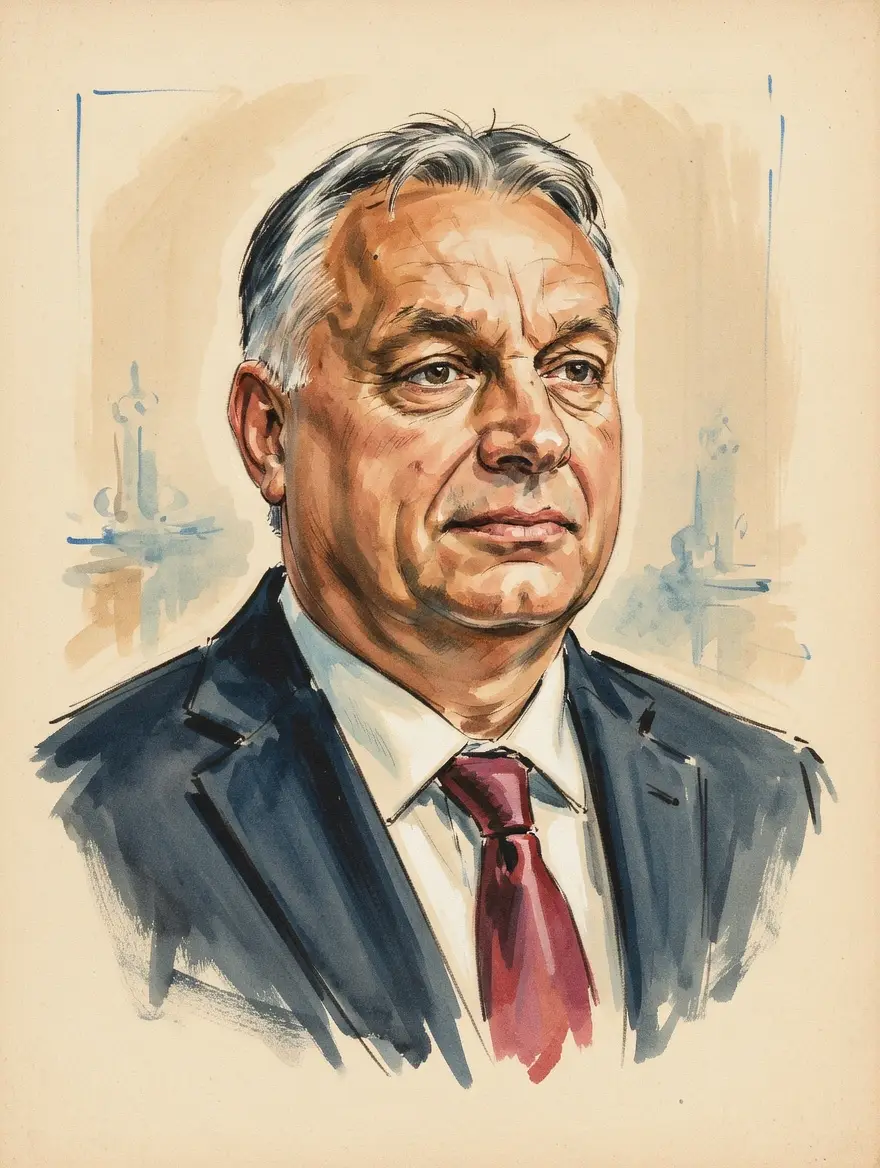
Viktor Orban on Climate Change
TL;DR
Viktor Orban advocates for climate policies guided by common sense and economic competitiveness over ideological alarmism or panic.
Key Points
He stated that Hungary aims for a 50 percent reduction in greenhouse gas emissions by 2030, surpassing the previous 40 percent goal, while also investing heavily in nuclear energy to cover 70 percent of electricity demand.
In December 2019, he warned against allowing Brussels bureaucrats to make poor countries pay for the cost of the fight against climate change, although he was ready to sign the 2050 carbon-neutrality agreement with financial guarantees.
In 2024, the Hungarian Constitutional Court ruled that the existing climate law was too weak for violating inter-generational justice, demanding the government write a more robust law by June 2026.
Summary
Viktor Orban's position on Climate Change is characterized by a tension between acknowledging the problem and fiercely resisting policy approaches perceived as economically detrimental or ideologically driven by Brussels. He urges that climate policy must be guided by careful consideration and common sense, rather than ideology, alarmism, or panic, particularly insisting that the green transition must not sacrifice Hungary's industry or agriculture. He has claimed pride in Hungary's ability to enhance economic performance concurrently with emission reductions, emphasizing the need to maintain the use of natural gas, oil, and nuclear energy alongside green initiatives.
His stance has seen an evolution; early in his tenure, environmental protection was downplayed, but later, due to strong popular demand shown in surveys and the energy crisis, he adopted more pro-climate rhetoric, including setting a 2050 climate neutrality target. Despite this shift, his government has faced criticism for a lack of corresponding policy implementation, and he often frames EU climate action as a burden on poorer countries and citizens. Furthermore, a government-linked think tank actively works to challenge the broader European consensus on net-zero policies.
Frequently Asked Questions
Viktor Orban's primary condition is that climate policy must be guided by common sense and pragmatism, ensuring Europe's competitiveness is maintained. He insists that the costs of the green transition cannot disproportionately burden Hungarian industry, agriculture, or citizens, demanding clear financial guarantees for implementation.
Yes, his rhetoric has shifted in recent years, moving from openly criticizing EU climate policies to speaking out in favor of renewables and climate action. This change appears influenced by strong public support for climate action in polls and the need to increase energy sovereignty.
He views nuclear energy as essential for achieving carbon neutrality, urging the European Union to remove all reservations against it. Viktor Orban has emphasized continued investment in Hungary's nuclear sector, aiming for it to supply 70 percent of the country's electricity demand.
Sources10
Orbán's opportunistic record belies Hungary's new pro-climate rethoric
Speech by Viktor Orbán at the 2024 United Nations Climate Change Conference (COP29)
Brussels: Hungary think tank Viktor Orban breaking Europe climate consensus
Climate Policy Should Be Driven by Practicality, Not Panic, Says Orbán in Baku
Orbán's think tank is on a mission to break Europe's climate 'consensus'
Court Orders Hungarian Government to Toughen Climate Plans
Bulgaria and Hungary's Reluctant Green Transition
How Viktor Orbán legitimises his regime through 'petro-masculinity'
We will not allow Brussels bureaucrats to make poor countries pay the for cost of the fight against climate change
COP29: Viktor Orbán Calls for a Climate Policy Guided by Common Sense
* This is not an exhaustive list of sources.