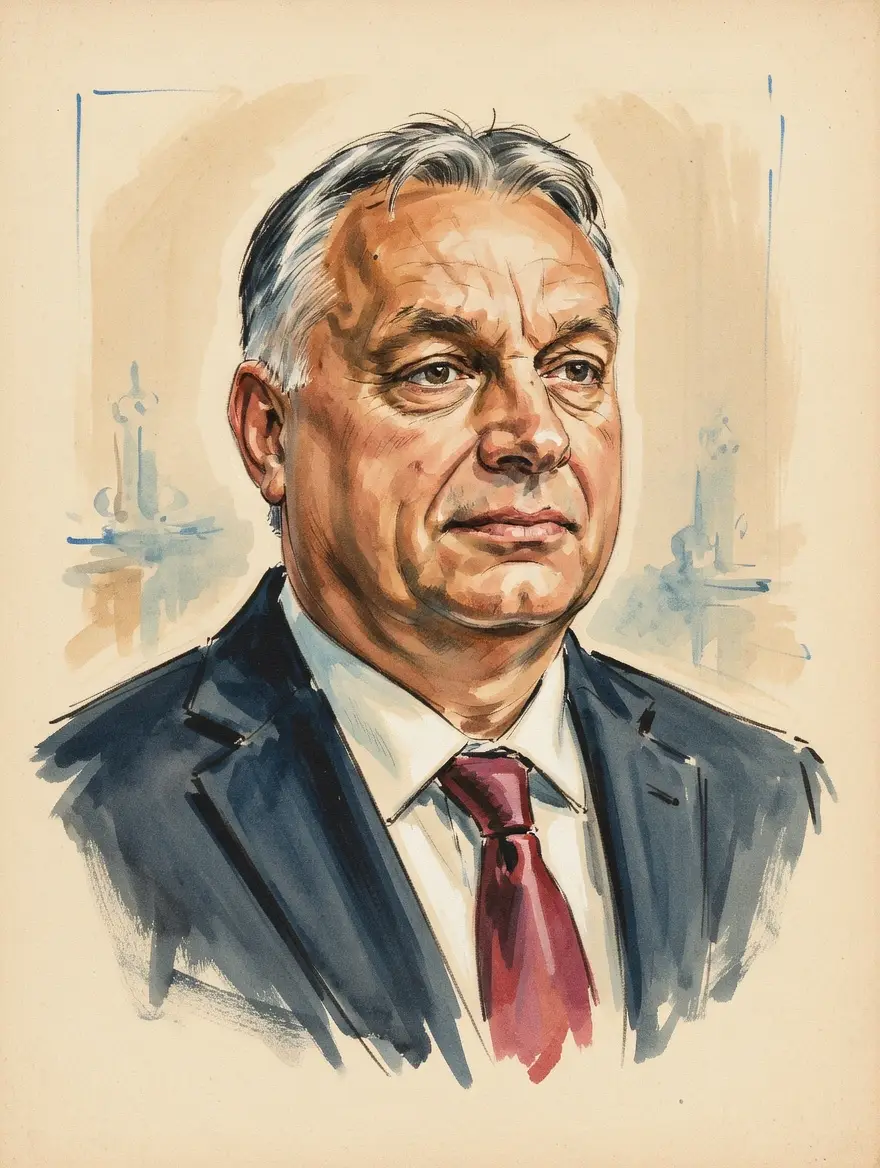
Viktor Orban on Germany
TL;DR
Viktor Orban views Germany as a crucial economic partner whose political criticism is often viewed through a lens of rational self-interest.
Key Points
His government offered support to Germany's far-right AfD, calling it the future of Germany (2025).
As Prime Minister, he sought close cooperation while acknowledging differences in viewpoints with the German Chancellor (July 2018).
His government defended German car manufacturers' interests in the European Council, especially following the diesel emissions scandal.
Summary
Viktor Orban has cultivated a complex relationship with Germany, fundamentally characterized by the recognition of its critical economic importance to Hungary. German companies are the primary engine of Hungarian economic growth, leading the Prime Minister to prioritize a pragmatic working relationship and to defend German corporate interests within the EU, such as softening vehicle emission rules. This economic dependence has historically tempered political friction, with Orban's earlier political career benefitting from German patronage, including from former Chancellor Helmut Kohl, and a strategic alliance with conservative southern German elites.
However, the relationship is strained by deep political and ideological divergences, especially concerning migration, rule of law, and foreign policy, which has led to increasingly tense bilateral relations and political maneuvering. While his government has explicitly supported the far-right AfD, which strains ties with mainstream German parties like the CDU/CSU, Orban views German criticism as potentially driven by political calculation or ideology, expecting German actors to ultimately prioritize their substantial economic stake in Hungary. This dichotomy means political disagreements are managed pragmatically to avoid jeopardizing the vital economic relationship.
Frequently Asked Questions
Viktor Orban maintains a stance of pragmatic economic cooperation with Germany, viewing it as Hungary's primary source of jobs and investment. However, this partnership coexists with significant political friction stemming from disagreements over migration policy and the rule of law in Hungary.
Orban's early political career benefited from German patrons like Helmut Kohl, fostering early close ties with conservative figures. Later, his relationship with Angela Merkel was characterized as a functional, pragmatic working one, often strained by clashes over ideological issues like migration.
Yes, Orban has publicly expressed support for Germany's far-right Alternative for Germany (AfD) party, calling it the future of Germany in early 2025. This support contrasts with the traditional working relationship his government maintained with mainstream German conservative actors.
Sources5
How Orbán played Germany, Europe's great power
Hungary’s Orban says far-right AfD is the future of Germany
We look at the world from a different viewpoint and see it differently, but we strive for close co-operation with Germany
Viktor Orbán - Wikipedia
Germany now considers Hungary a security threat and is preparing to take tough action
* This is not an exhaustive list of sources.