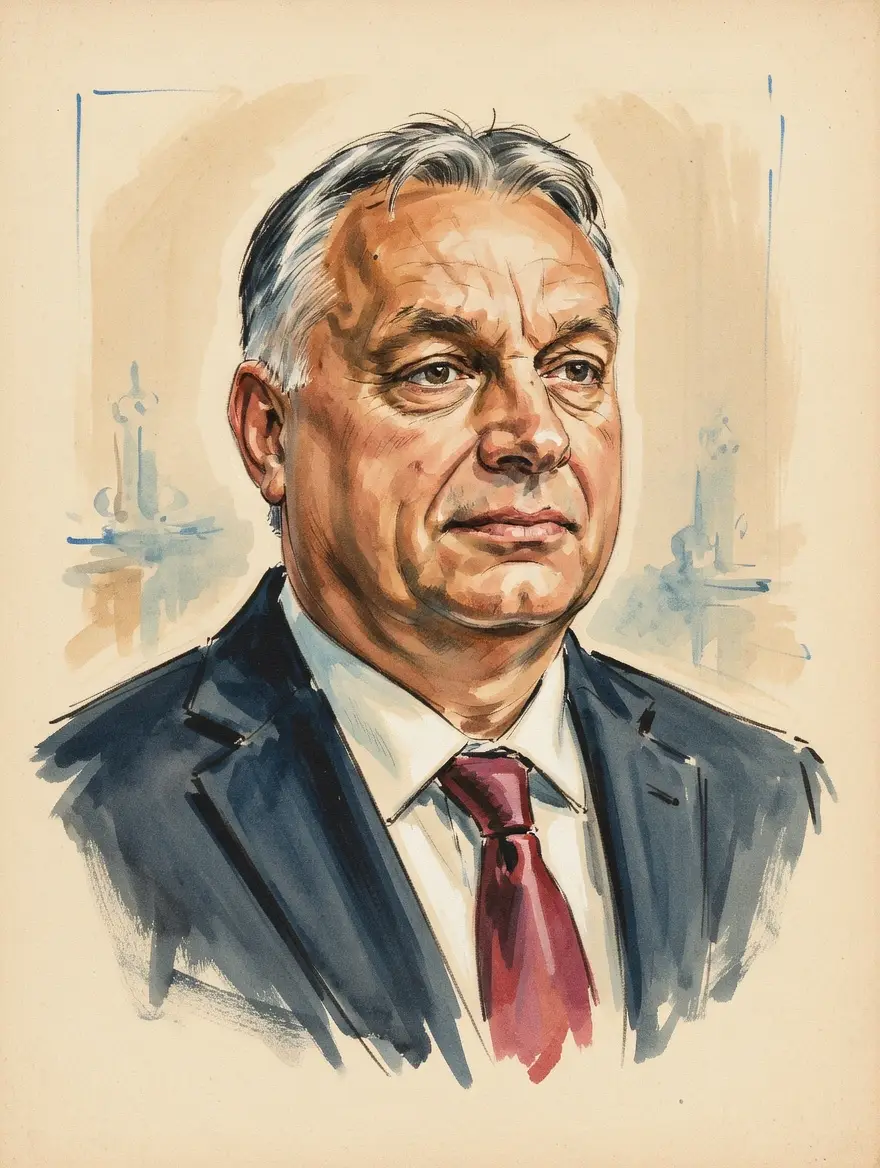
Viktor Orban on NATO
TL;DR
Viktor Orban generally supports NATO membership but frequently voices strong reservations, particularly regarding Ukraine policy.
Key Points
He stated that Hungary will not block decisions in NATO but maintains reservations regarding the war in Ukraine.
The Prime Minister stressed the importance of NATO's enlargement in the Balkans to ensure regional stability in 2015.
He has made his party's anti-Ukraine support stance a central theme in his re-election campaigns.
Summary
Viktor Orban affirms Hungary's commitment to NATO membership, emphasizing that the country will uphold its obligations as an alliance member. He has consistently stated that Hungary will not block decisions but has repeatedly stressed the need for the alliance to avoid direct conflict with Russia over Ukraine, framing the war as knocking on the door of Europe. A key area of contention is the financing and role of NATO in supporting Kyiv; he has sought to avoid contributing Hungarian troops or weapons to the effort.
His position suggests a desire to maintain the security benefits of the alliance while pursuing a foreign policy line distinct from many Western partners, especially concerning the war in Ukraine. He has expressed support for Balkan enlargement to stabilize the region, but his administration has also engaged in rhetoric suggesting dissatisfaction with the alliance's overall strategic direction regarding Russia. The Prime Minister has signaled openness to new defense spending commitments but remains cautious about entanglement in conflicts outside the direct defense of NATO territory.
Frequently Asked Questions
Viktor Orban affirms Hungary's commitment to NATO membership and states that his country will uphold its obligations as an alliance member. He has not suggested leaving the alliance, despite frequent policy disagreements with other members. He sees NATO membership as vital for national security.
The Prime Minister strongly advocates that NATO should avoid a direct military conflict with Russia over Ukraine, viewing the war as a severe threat to European security. He has sought to limit Hungary's direct involvement in military aid packages to Kyiv channeled through the alliance.
Viktor Orban's position has remained largely consistent: strongly supportive of Hungary's presence in the alliance for collective defense while simultaneously being a strong critic of its approach to the Russian-Ukrainian conflict. His stance has been characterized by loyalty to the treaty framework but skepticism regarding specific military and financial commitments.
Sources7
PM Orbán: War is knocking on our door
Hungary's PM Orbán: Keeping an open mind on Ukraine aid
NATO Secretary General meets Hungarian Prime Minister in Budapest
Orban says Hungary will not block NATO decisions but is not willing to send troops to Ukraine
NATO Summit: Defence Commitment, Ukraine, Orbán, Trump
Hungary's Orbán stakes re-election on anti-Ukraine message
Viktor Orbán stresses the importance of NATO's Balkans enlargement
* This is not an exhaustive list of sources.