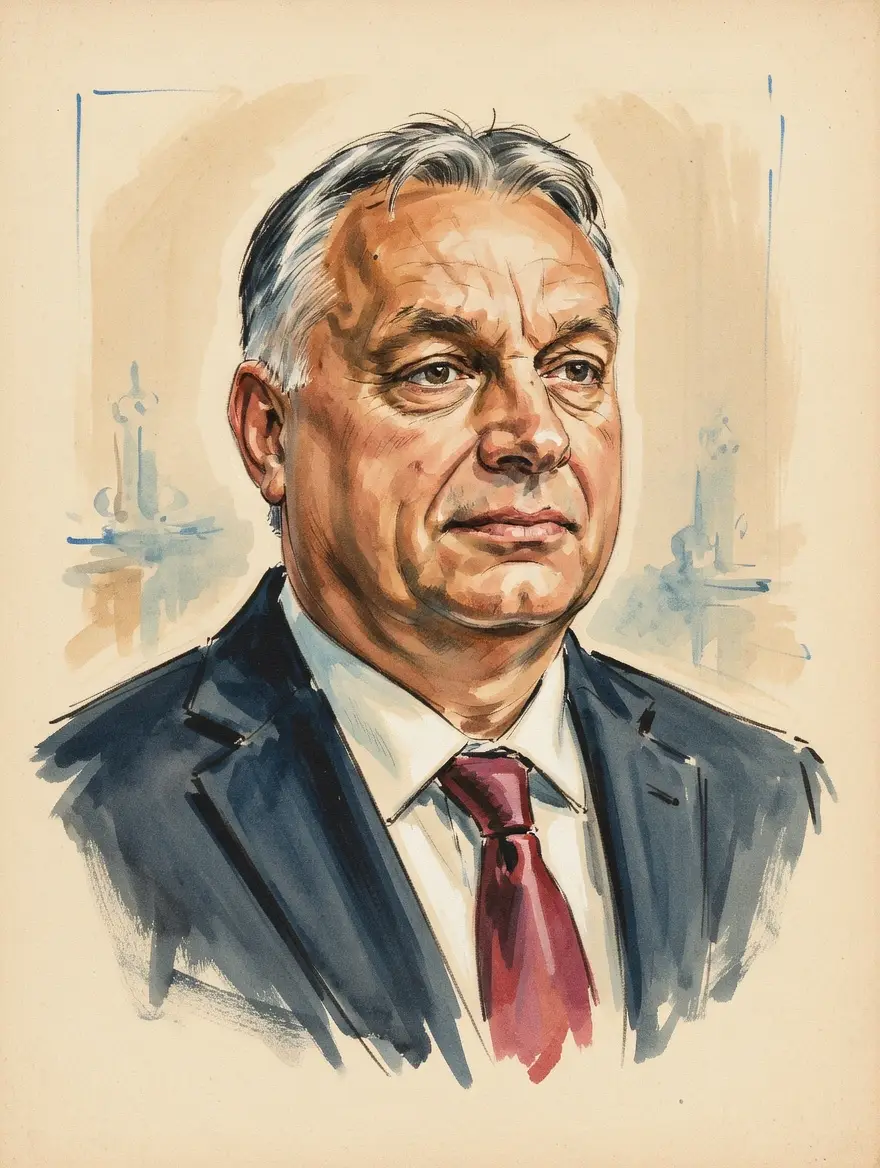
Viktor Orban on Putin
TL;DR
Viktor Orban maintains a policy of direct engagement and pragmatic cooperation with Vladimir Putin despite EU pressure.
Key Points
The leaders discussed captured Hungarian nationals serving in the Ukrainian Armed Forces during a phone call on March 3, 2026.
The Russian President commended Hungary's 'principled stance' in supporting a political and diplomatic resolution to the conflict in Ukraine as of March 3, 2026.
Following a dispute over oil transit, Hungary blocked a 90-billion-euro EU loan for Ukraine and opposed new EU sanctions against Russia.
Summary
Viktor Orban, widely regarded as the European Union's most Moscow-friendly leader, maintains a policy of direct engagement with Russian President Vladimir Putin, focusing on bilateral energy security and diplomatic communication. The leaders regularly communicate, with discussions covering the war in Ukraine, the plight of Hungarian nationals captured as prisoners of war, and global energy market stability, particularly amid Middle East tensions. The Russian President has commended the Hungarian leader for his principled stance in seeking a political and diplomatic resolution to the conflict in Ukraine and for pursuing a balanced international course. This direct channel is leveraged by Budapest to secure essential energy supplies, such as Russian crude oil and natural gas shipments, which are crucial for Hungary's energy needs.
This ongoing relationship has significant domestic and European implications, especially during election periods when Orban frequently contrasts his government’s non-interventionist stance with pro-Ukrainian opposition factions. For instance, following a recent dispute over oil pipeline transit, Hungary blocked an EU loan for Ukraine and opposed new EU sanctions against Russia. Furthermore, direct diplomacy has yielded results, as the Russian President agreed to release two captured Hungarian-Ukrainian dual nationals following an appeal from the Hungarian Prime Minister. However, the relationship is transactional, balancing national economic interests against geopolitical alignment.
Frequently Asked Questions
Viktor Orban positions himself as a pragmatic leader maintaining direct engagement with Vladimir Putin, primarily to safeguard Hungary's energy security and secure bilateral agreements. He is characterized as the EU's most Moscow-friendly leader while consistently advocating for peace talks and diplomacy regarding the Ukraine conflict. This relationship allows for transactional benefits, such as securing energy flows and negotiating the release of captured citizens.
There is no indication that the fundamental stance of maintaining communication and pragmatic ties with Vladimir Putin has changed. The relationship continues to be defined by the necessity of securing Hungarian energy supplies and maintaining a specific foreign policy independent of broader EU consensus. The nature of their interactions, however, is frequently adjusted based on geopolitical events like conflicts in the Middle East.
Following a phone call on March 3, 2026, the Hungarian Prime Minister's office confirmed discussions covered oil supply, the war in Ukraine, and Transcarpathian Hungarians in Russian captivity. While the Kremlin noted commendation for Hungary's diplomatic stance, the Prime Minister has used the contact to protest Ukraine's actions regarding oil pipeline transit, framing it as political blackmail.
Sources5
Putin, Orban discuss Hungarians in Ukraine's army captured by Russia, Kremlin says
Putin, Hungary's Orban discuss escalation of tensions in Iran and Middle East
Telephone conversation with Prime Minister of Hungary Viktor Orban
Russia to Free 2 Hungarian-Ukrainian POWs, Putin Says
Prime Minister Viktor Orbán had talks with Russian President Vladimir Putin on the telephone
* This is not an exhaustive list of sources.