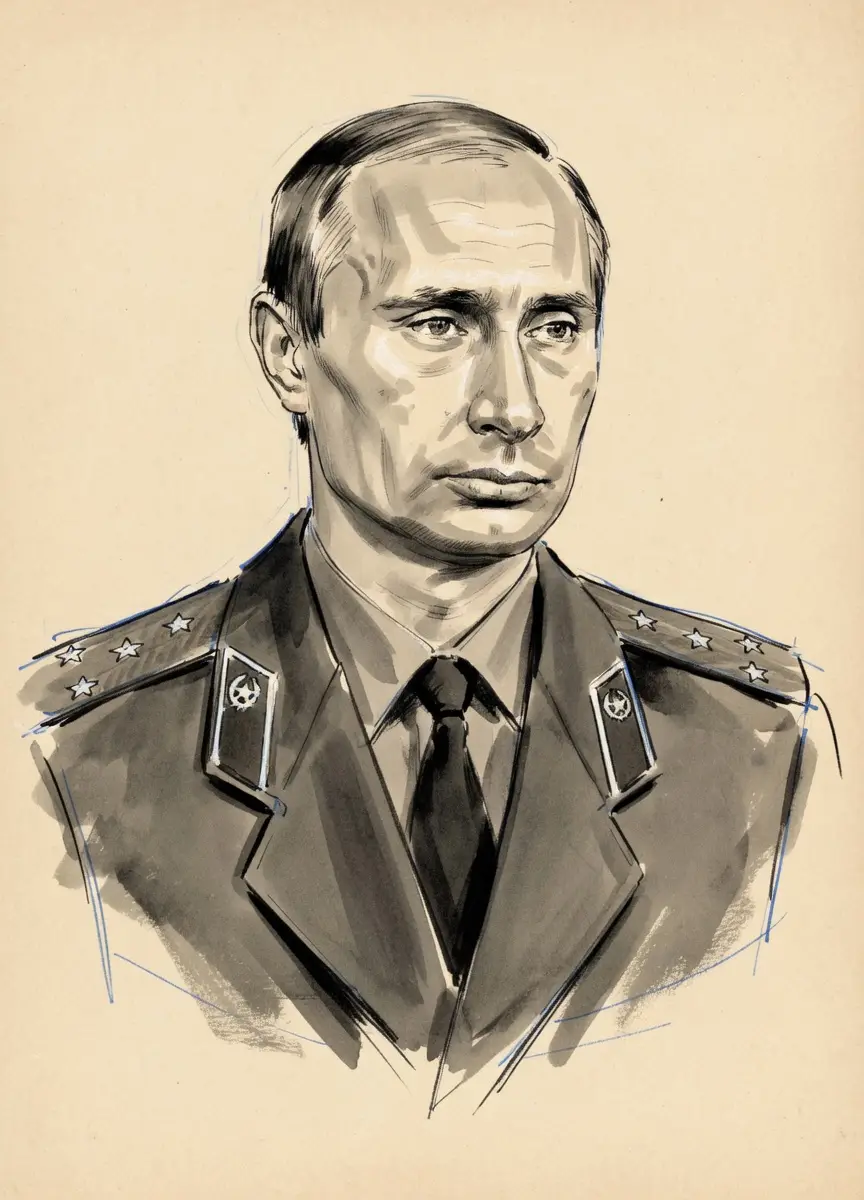
Vladimir Putin on Israel
TL;DR
Vladimir Putin maintains a balancing act, condemning US/Israeli actions against Iran while urging regional de-escalation through diplomacy.
Key Points
The Foreign Ministry condemned U.S.-Israeli strikes on Iran as a "preplanned and unprovoked act of armed aggression" on February 28, 2026.
The president spoke by telephone with leaders of Bahrain, Qatar, the UAE, and Saudi Arabia to discuss the escalating situation in March 2026.
Russia has maintained a delicate balancing act, navigating warm relations with Israel alongside strong economic and military ties with Iran.
Summary
Vladimir Putin has primarily addressed Israel in the context of the escalating conflict with Iran, often viewing actions by Israel and the United States through the lens of regional stability and confrontation with the West. Moscow has publicly condemned U.S.-Israeli strikes on Iran, labeling them as a "preplanned and unprovoked act of armed aggression" that risks plunging the Middle East into an abyss of uncontrolled escalation. The Kremlin has engaged in extensive, high-level diplomatic contact with leaders of Arab Gulf states to facilitate de-escalation, viewing the potential for a wider conflict as a threat to the security of its friendly regional partners.
The overarching implication of his position is a cautious diplomatic engagement where Russia seeks to leverage its relationship with Tehran to mediate and promote political and diplomatic solutions, while avoiding direct material support that could embroil Moscow in a conflict while its focus remains on Ukraine. This cautious approach has been described as a balancing act to maintain relevance in the Middle East and manage its strategic partnership with Iran without alienating other regional actors or risking friction with Washington during delicate negotiations elsewhere. The president's focus appears to be mitigating catastrophic consequences, particularly on global oil prices, and using the situation to project Russia as a reasonable diplomatic party.
Key Quotes
...deplored his “assassination” as a “cynical violation of all norms of human morality and international law”
Frequently Asked Questions
Vladimir Putin's position is primarily defined by his reaction to the escalating regional tensions involving Israel and Iran. He has actively worked to de-escalate the crisis through diplomacy, as seen by his calls with Gulf leaders in March 2026. His government tends to place responsibility for military escalation on the United States and Israel.
There is no strong indication that his fundamental stance has evolved, but his engagement level shifts based on regional volatility. His current approach involves maintaining a delicate balance between his nation's strategic partnership with Iran and its long-standing, though complicated, relationship with Israel, especially amid his preoccupation with the Ukraine war.
The Russian Foreign Ministry, under the watch of the president, condemned the strikes as an unprovoked act of aggression against a sovereign state. The Kremlin has expressed deep concern over the risks of a wider conflict, stating that this military action risked catastrophic consequences for the region.
Sources6
Russia Says Putin In Close Contact With Gulf Leaders To Facilitate De-Escalation
Russia accuses US, Israel of trying to drag Arab countries into wider Middle East conflict
Putin discusses US-Israel confrontation with Iran at Security Council meeting
Russia struggles to find a response to U.S.–Israel attack on Iran
Why So Quiet, Putin? Russia's Role in the Iran-Israel Tensions
Russia condemns U.S.-Israel strikes on Iran as 'preplanned and unprovoked act of armed aggression'
* This is not an exhaustive list of sources.