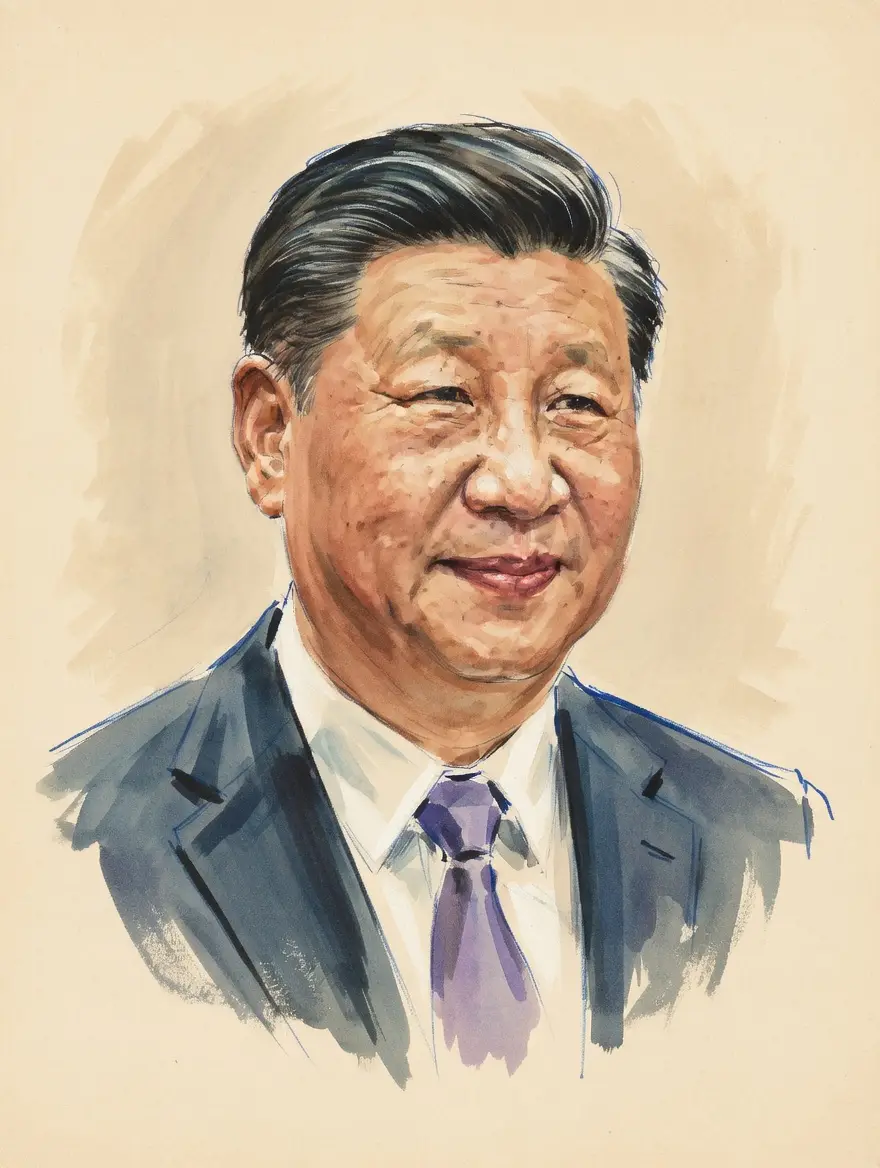
Xi Jinping on Tibet
TL;DR
Xi Jinping views Tibet as an inseparable part of China, requiring absolute political loyalty and Sinicization under Communist Party rule.
Key Points
He marked the 60th anniversary of the establishment of the Tibet Autonomous Region (TAR) in 2025 with a high-profile visit.
The leadership under Xi Jinping stresses the necessity of Sinicizing the region's religious and cultural practices to align with socialist core values.
His administration frames the work in Tibet as crucial for national security and maintaining the country's territorial integrity.
Summary
Xi Jinping's core position on Tibet maintains the Chinese Communist Party's unwavering stance that the region is an inalienable part of China, a view he has strongly reinforced throughout his tenure. He emphasizes the necessity of absolute political loyalty from Tibetans and leaders in the region, linking stability directly to the continued supremacy of the Party. The emphasis is heavily placed on Sinicization, ensuring that political, religious, and cultural development aligns with socialist ideology and national identity, often framed as safeguarding national security and unity against separatist tendencies.
This hardline approach has been underscored by rare, high-profile visits, such as one made in August 2025, which signaled Tibet's elevated importance in national policymaking and external signaling. His administration continues to prioritize economic development alongside ideological control, presenting prosperity as a direct result of Party rule, while critics document a decade of increased surveillance and repression of religious and cultural expression, particularly concerning the Dalai Lama. The stated policy goal remains long-term stability, achieved through the complete integration of the Tibetan region into the Chinese political and social fabric.
Frequently Asked Questions
Xi Jinping's overall position is that Tibet is an inseparable part of China, requiring stringent political control and ideological alignment with the Communist Party. He views stability in the region as paramount to national unity and security.
During his rare visit in August 2025, he emphasized the need for greater loyalty to the Party and the success of Sinicization efforts. He connected the region's progress to the success of central government policies.
Xi Jinping's government maintains a hard line, rejecting the current Dalai Lama's legitimacy and insisting on the Party's right to manage the selection of his successor. His stance insists on the supremacy of the state over religious authority in this matter.
Sources8
Xi Jinping makes rare visit to Tibet as 60 years of Chinese rule celebrated
Xi Jinping's visit to Lhasa elevates Tibet in national policymaking agenda
Xi Jinping’s 10 Years in Tibet: Focus of New Report
Xi Jinping makes rare visit to Tibet
Xi Jinping in Tibet: Decoding internal policy and external signaling
Xi makes rare trip to Tibet as China marks 60 years of rule
Xi Jinping visits Tibet, a region tightly controlled by Beijing
China’s Xi Jinping makes rare visit to Tibet
* This is not an exhaustive list of sources.