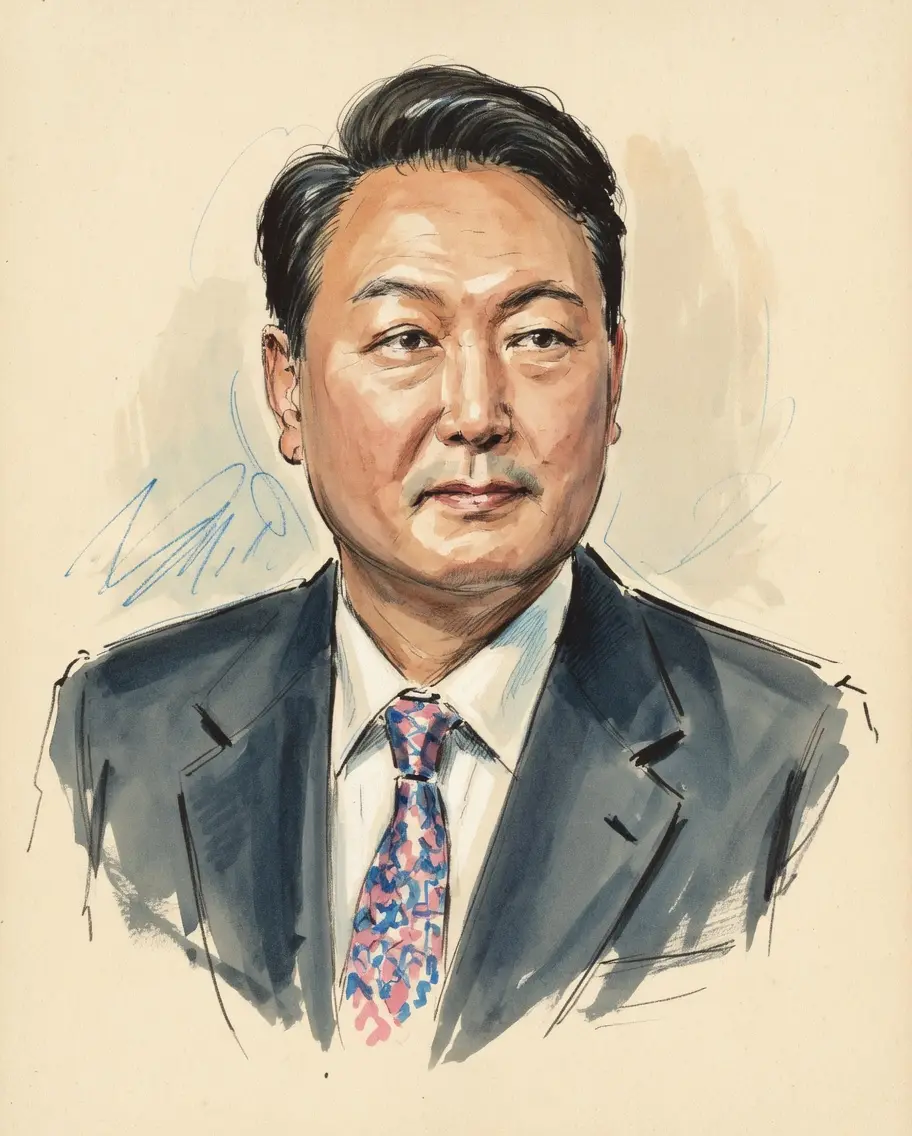
Yoon Suk Yeol on Reasons for Impeachment
TL;DR
Yoon Suk Yeol's position involves apologizing for the initial martial law declaration that triggered impeachment efforts by the opposition.
Key Points
The main catalyst for impeachment proceedings was the brief declaration of martial law in December 2024.
Following the failed initial vote, the president publicly apologized for the martial law attempt in December 2024.
The Constitutional Court was asked to rule on aspects of the impeachment charges, including one related to insurrection.
Summary
Yoon Suk Yeol's political standing faced an existential threat due to attempts to impeach him, stemming primarily from his brief declaration of martial law in December 2024. This drastic measure, which was swiftly reversed, became the central justification cited by the opposition parties for initiating the impeachment process against the president. In response to the national crisis and the ensuing political turmoil, the president offered a public apology, acknowledging his wrongdoing in the matter of the martial law decree, a move seen as an attempt to de-escalate the situation.
The context surrounding the impeachment efforts involved deep political polarization and significant public protest against his administration's actions, including the initial order. While the first motion to impeach him failed due to a boycott by the ruling party, opposition forces vowed to pursue further action, indicating that the reasons for impeachment remained a highly volatile and central issue in South Korean politics heading into the new year. The Constitutional Court was also involved, although it denied telling the Assembly to drop one of the charges.
Frequently Asked Questions
Yoon Suk Yeol's position has been defined by his response to the primary reason cited: the attempted declaration of martial law. He issued a public apology for the decree, which was the catalyst for the impeachment efforts by the opposition parties.
The president has acknowledged error regarding the martial law declaration, which forms the core of the impeachment grounds. Furthermore, his administration was involved in legal processes where the Constitutional Court refused to halt consideration of some charges, such as insurrection.
The first motion to impeach the president in December 2024 ultimately failed after members of the ruling party boycotted the vote. Despite this, opposition forces vowed to continue pursuing impeachment over the established reasons.
Sources6
Motion to impeach South Korean president fails after vote boycott
Why a viral petition to impeach South Korea’s president is unlikely to succeed
Yoon faces calls for resignation, apology amid political crisis
Opposition vows to impeach acting president
Constitutional Court denies telling Assembly to drop insurrection from impeachment charges against Yoon
* This is not an exhaustive list of sources.