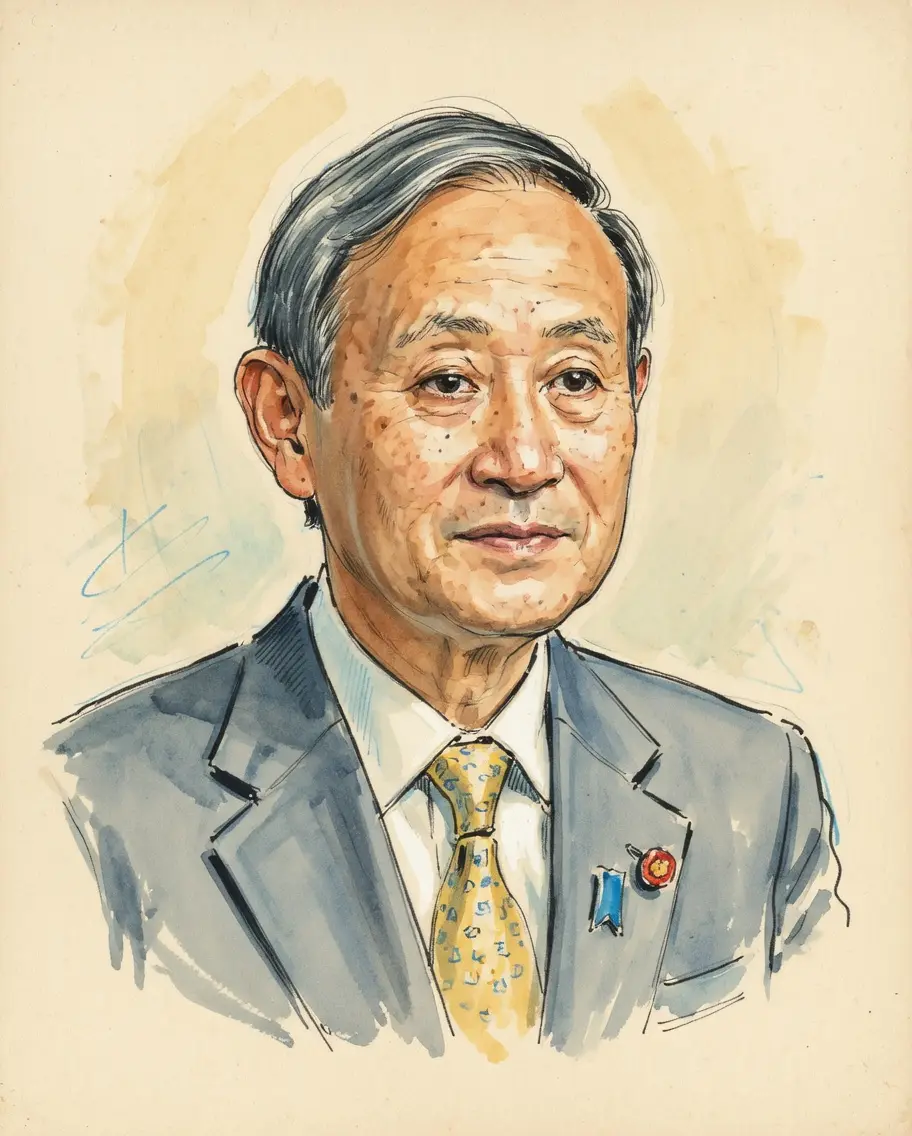
Yoshihide Suga on Major Policy Speeches
TL;DR
Yoshihide Suga's crisis communication focused on affective framing and negotiated mobilization through policy appeals during speeches.
Key Points
The corpus of official transcripts examined featured Yoshihide Suga as a primary speaker during the COVID-19 crisis (2020-2021).
The affective frame accounted for over 50% of all identified expressions in Japanese government press conference transcripts analyzed.
The communication style deliberately minimized responsibility frames and conflict frames, indicating a preference for institutional neutrality.
Summary
Yoshihide Suga's stance on major policy speeches, as inferred from analyses of official government discourse during the COVID-19 pandemic, suggests an emphasis on framing that prioritizes emotional resonance and cultural compatibility within Japan's procedural democracy. Specifically, official transcripts examined show that the dominant strategy employed by the Japanese government, which included Suga as a primary speaker during his tenure, relied heavily on the affective frame. This involved utilizing language rich in empathy, remorse, and gratitude to psychologically narrow the gap between the government and the public, thereby easing anxiety and strengthening social trust.
This communication style contrasted with the approaches seen in other democratic models, notably avoiding overt political confrontation or explicit blame attribution, which rarely manifested as a significant frame in the official record. The reliance on affective rhetoric aligns with cultural features emphasizing harmony and restraint, suggesting that Suga prioritized constructing consensus and upholding institutional responsiveness through subtle, emotionally resonant language rather than through confrontational political maneuvering or the exaggerated performance claims seen elsewhere. This focus aims to achieve political aims by balancing administrative policy disclosure with cultural suitability.
Frequently Asked Questions
Yoshihide Suga's major policy speeches, particularly during the COVID-19 crisis, appeared to utilize a communication style heavily reliant on the affective frame. This involved using empathetic and morally charged language to soothe public anxiety and foster a sense of shared destiny.
Official transcripts suggest that Suga's government generally avoided explicit political attacks or blame-shifting in its major policy speeches. The analysis indicated that Responsibility Frames and Conflict Frames were extremely rare in the Japanese corpus compared to other studied nations.
The prevalence of affective framing in his speeches aligns with a political culture emphasizing order, harmony, and respectful expression. Suga's approach sought to achieve political goals through subtle emotional appeals and consensus-building, rather than confrontation.
Sources2
Government Crisis Communication and Politicization - Gupea
Monthly Reports to the Broadcasting Board of Governors (BBG) Board from January 2012 through July 2015
* This is not an exhaustive list of sources.