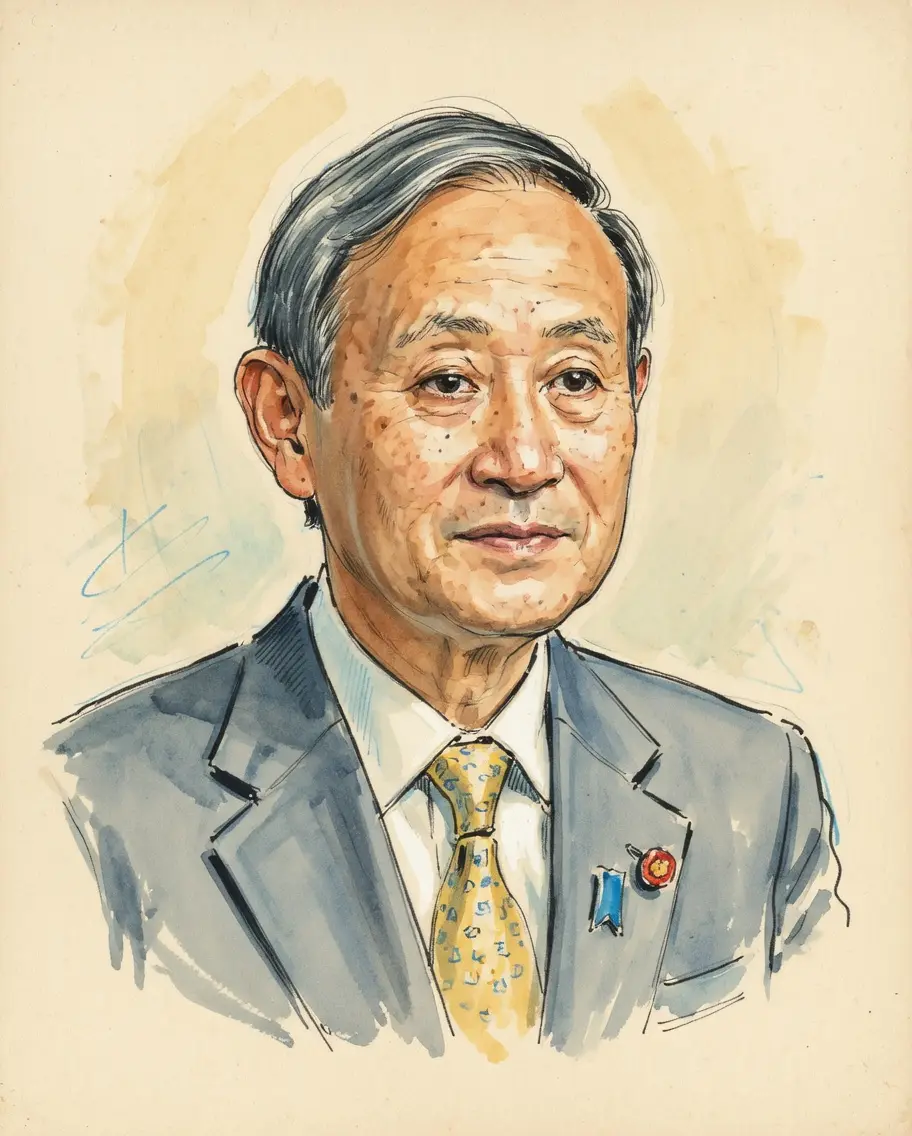
Yoshihide Suga on Predecessor
TL;DR
Yoshihide Suga positioned himself as the faithful successor committed to continuing the core policies of his immediate predecessor.
Key Points
He committed to sustaining the economic blueprint of his predecessor, Abenomics, upon taking office in September 2020.
Suga faced political pressure related to a major scandal involving his predecessor's administration in late 2020.
His early tenure involved continuing diplomatic and security policies largely inherited from the previous government.
Summary
Yoshihide Suga, upon assuming office, explicitly pledged to continue the key policies and governing direction established by his predecessor, Shinzo Abe. This commitment was centered on maintaining the economic strategy known as Abenomics, ensuring continuity in areas like fiscal stimulus and monetary easing, which were central to the previous administration's platform. Suga’s initial stance was one of fidelity to this established course, aiming to reassure both domestic and international stakeholders regarding policy stability during a period of significant change in leadership.
His administration's approach to the legacy of the former prime minister also involved navigating associated political issues, including lingering scandals that emerged during the transition. While pledging continuity on policy, Suga’s emergence followed a period where the predecessor faced increasing pressure, creating a delicate balance. He sought to leverage the predecessor's political capital and experience while establishing his own authority, ultimately framing his premiership as an extension of the preceding era’s political mandate.
Frequently Asked Questions
Yoshihide Suga strongly supported continuing the core policies of his predecessor, particularly regarding economic strategy. He pledged to maintain the course set by the former leader to ensure domestic and international stability. This continuity was a defining feature of his initial mandate as Prime Minister.
Primarily, Yoshihide Suga adopted a stance of continuation, specifically regarding the economic framework known as Abenomics. While inheriting the general policy line, he also had to address residual political issues that arose under the previous administration. His initial focus was on demonstrating a steady hand rather than a dramatic shift.
Yoshihide Suga affirmed his intention to follow the course laid out by Shinzo Abe when he became Prime Minister in September 2020. He indicated that his administration would build upon the achievements of the long-serving predecessor. This framing suggested respect for the prior government's legacy while seeking to implement his own priorities.
Sources6
Japan's PM Suga under pressure over predecessor's scandal
Yoshihide Suga becomes Japan's prime minister, pledging to follow Abe's course
Yoshihide Suga: Japan's New Leader
From Abe to Suga: Japan's embattled prime minister and the legacy of his long-tenured predecessor
Abenomics: Shinzo Abe, Yoshihide Suga and Japan’s prime minister economics legacy
New Japanese Prime Minister Expected to Continue Far-Right Policies of Predecessor
* This is not an exhaustive list of sources.